
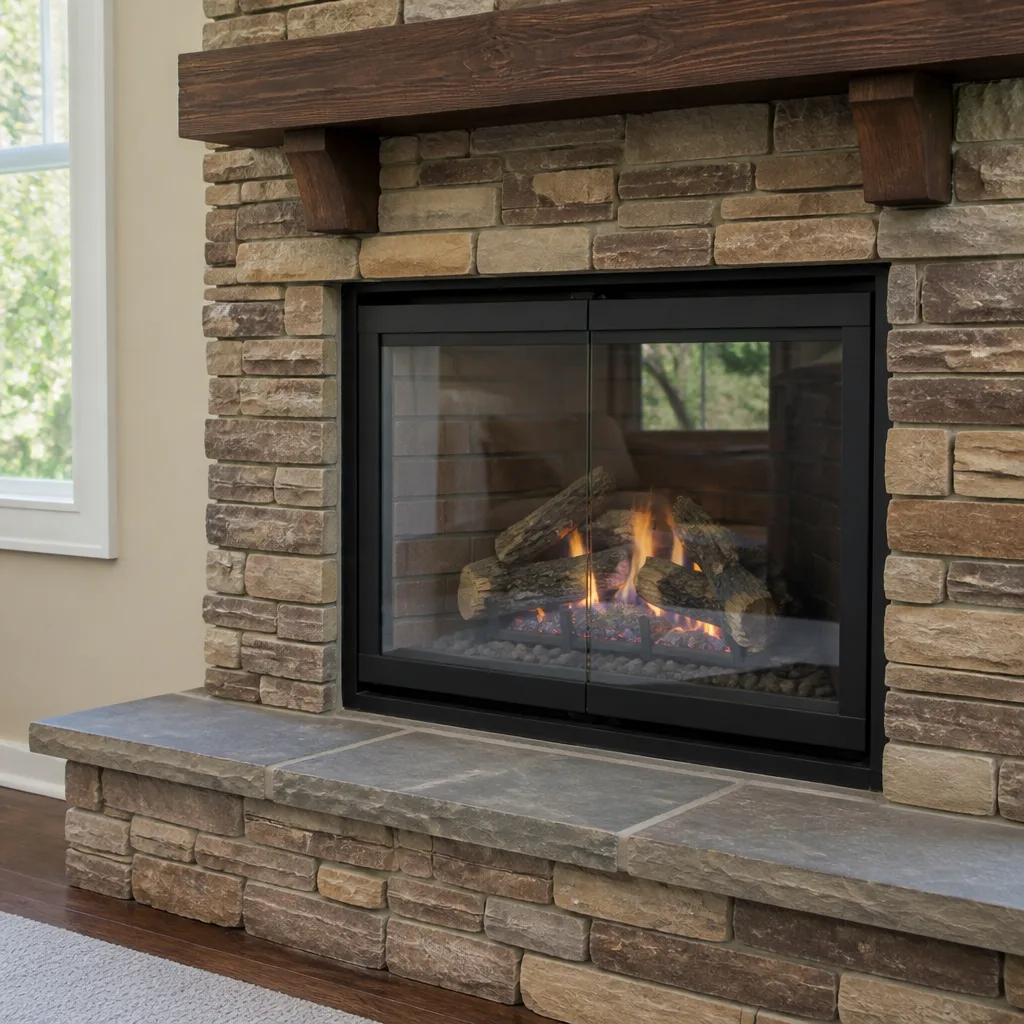
 Gas fireplace service
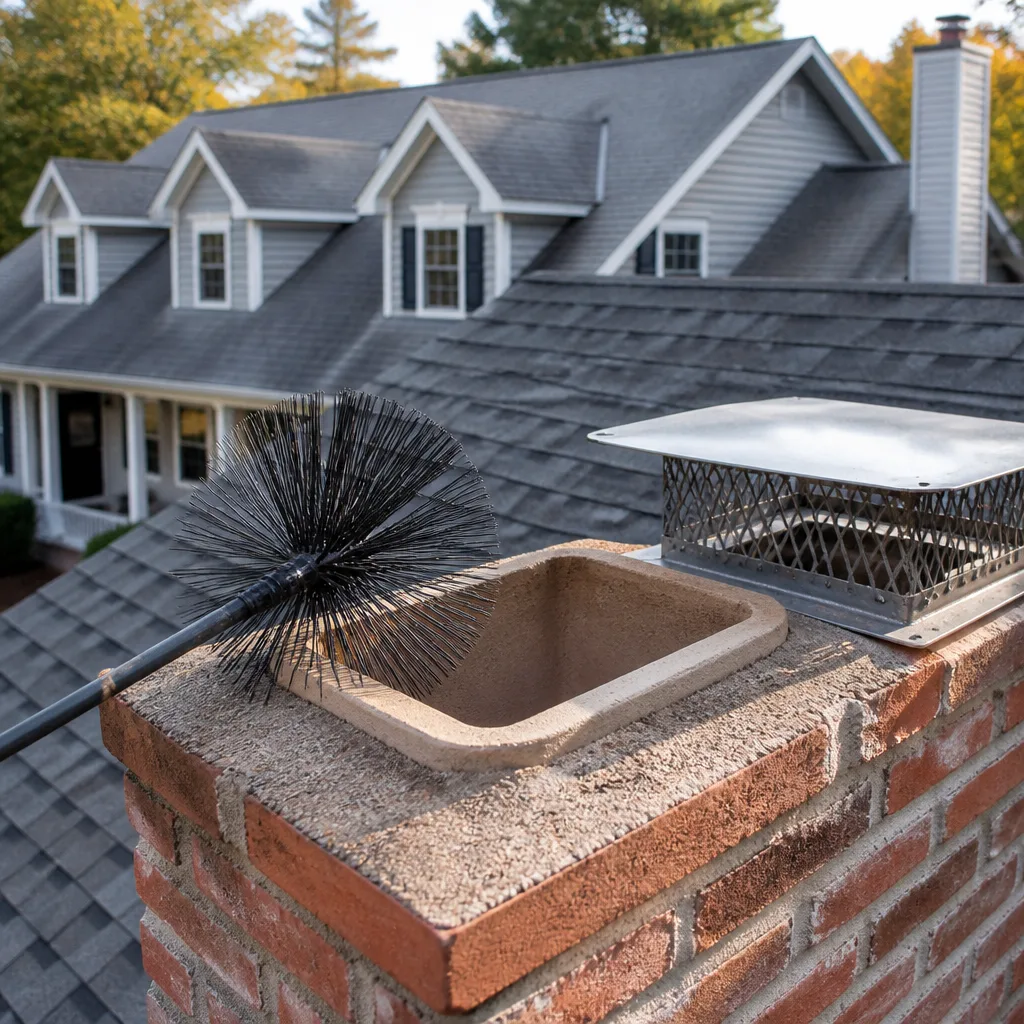 Sweep & inspection
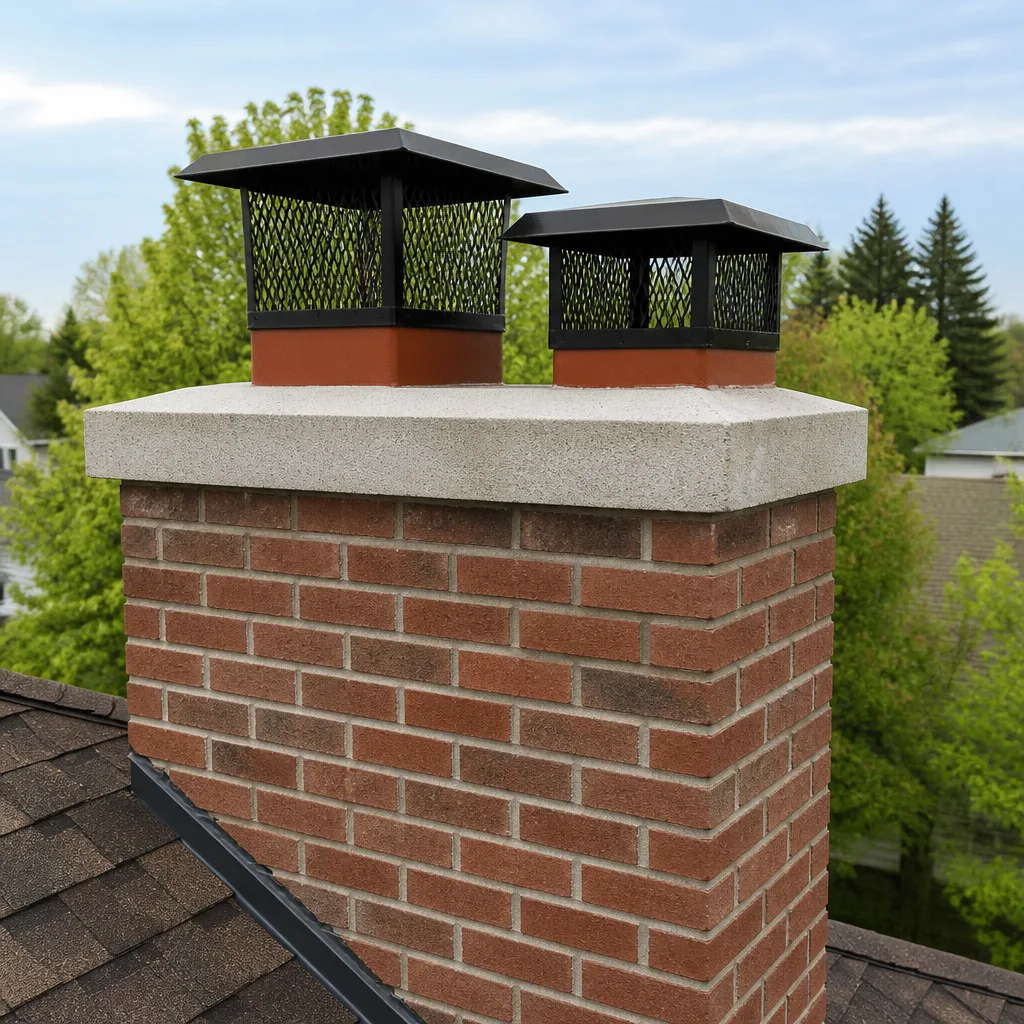 Caps & crowns
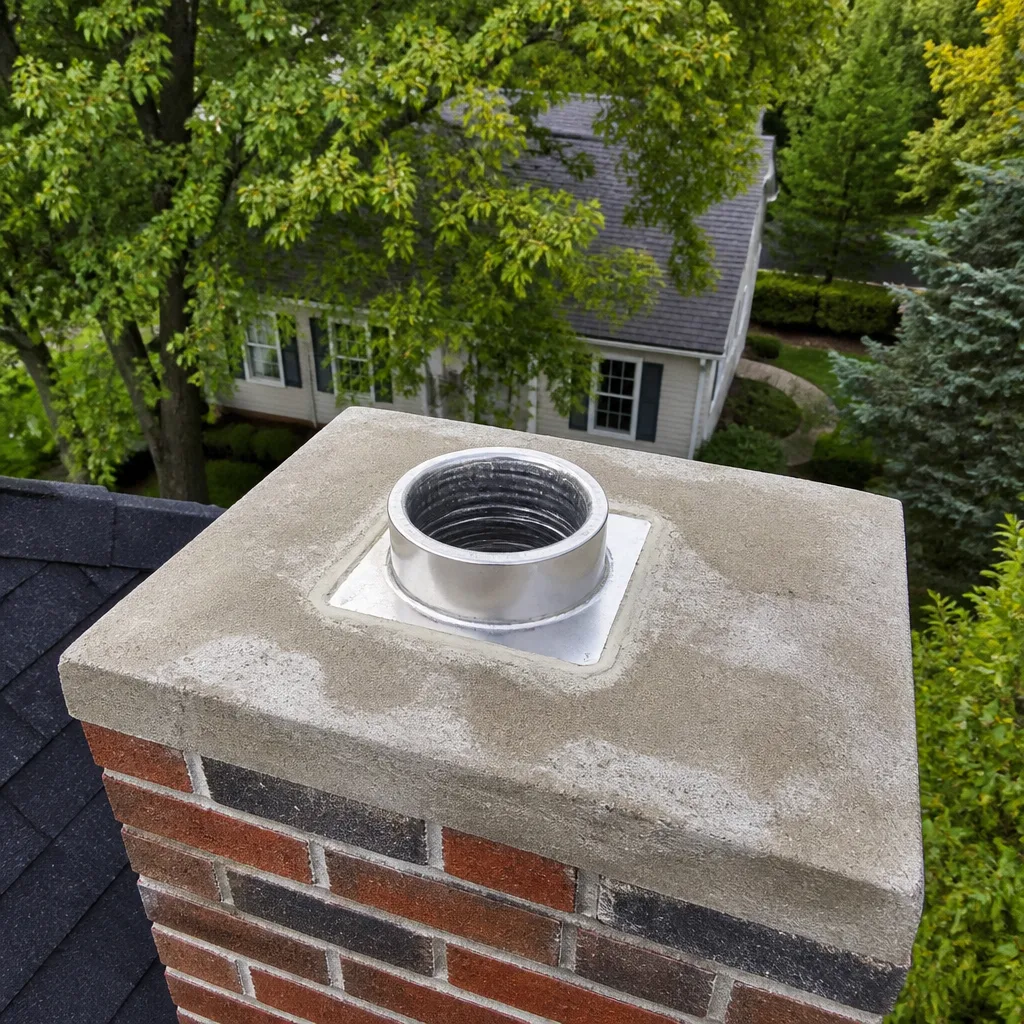 Flue relining
 Masonry repair
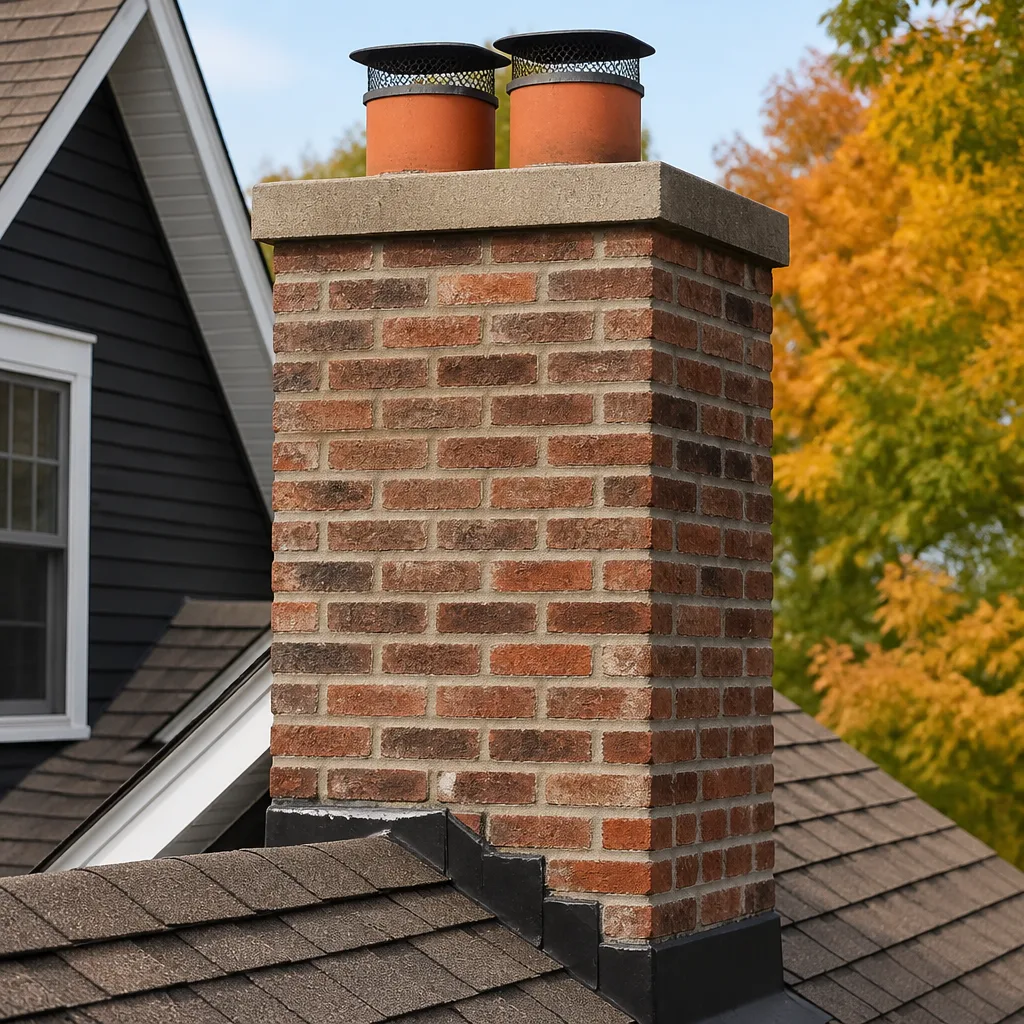
Level 1 sweep and inspection to the NFPA 211 annual standard - flue, crown, cap, and flashing checked and photographed
Chimney sweep logs do not sweep chimneys. They loosen some creosote - which then falls where a brush and vacuum still have to collect it.
Why Ventura Homeowners Choose DuraFlex Chimney Cleaning
We provide independent Ventura Duraflex service for chimney cleaning, repair, and installation throughout Ventura, CA, and we’ve worked on these flexible stainless liners long enough to know exactly how the coastal air treats them. As an independent DuraFlex service provider, we’re not tied to any manufacturer’s sales targets, which means our recommendations focus on what your liner actually needs. Call (559) 282-2695 for a straight answer and a written price before any work begins.
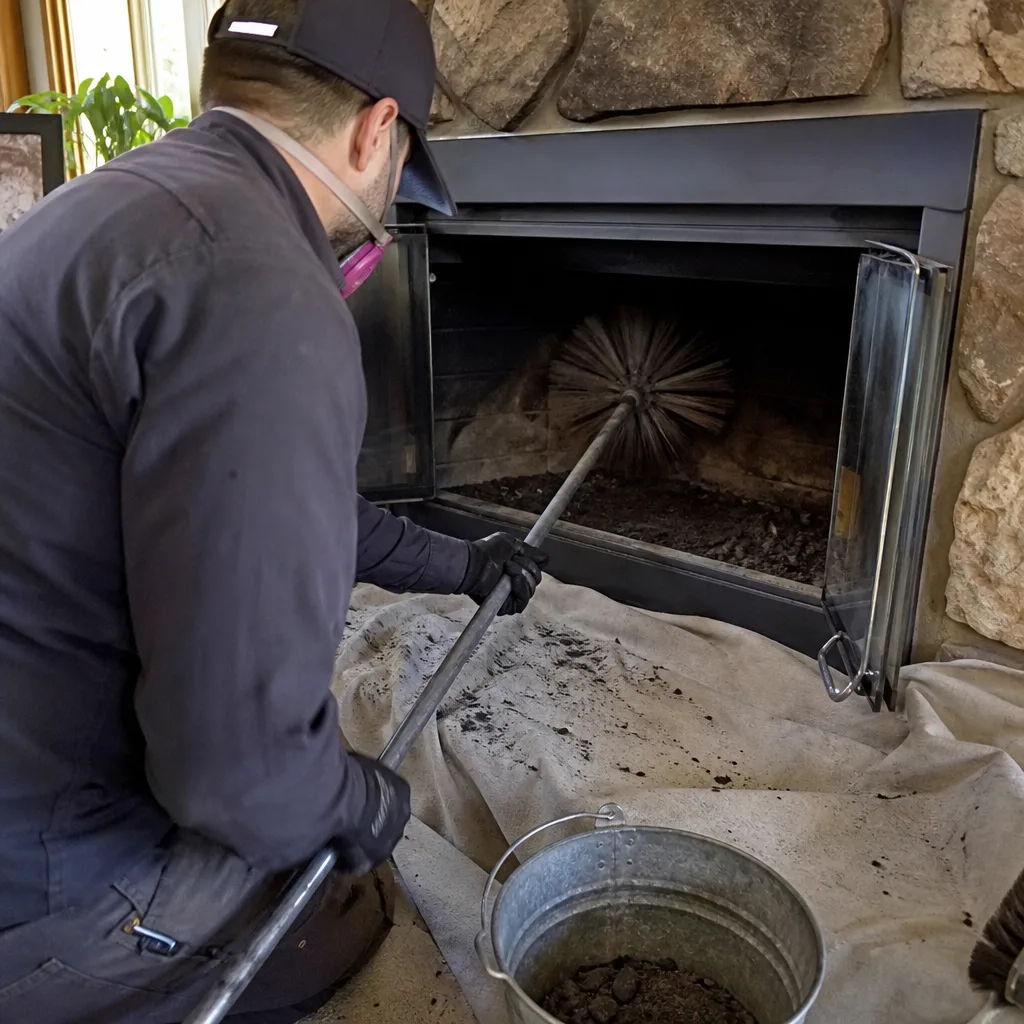
DuraFlex liners are a common sight in Ventura homes, especially in older Craftsman bungalows and Spanish-style casas where the original clay tile liners gave out years ago. The 304L and 316L single-ply flexible liners, plus the pre-insulated and aluminum variants, each behave differently under Ventura’s marine layer and salt air. We’ll get into those specifics below, but the short version is this: a DuraFlex liner that would shrug off ten years of use in Bakersfield might show real corrosion at the cap and couplers after five years here, simply because the salt-laden moisture never fully dries out.
Ruben Castellano, Owner at Alcott Chimney Ventura, grew up in Los Angeles and picked up his trade fundamentals at Los Angeles Trade-Technical College before spending the better part of two decades getting into the details of flues, fireboxes, and everything that connects them. He and our crew have served Ventura homeowners for years, including plenty of calls out to the historic Eastside neighborhoods near the San Buenaventura Mission where older chimneys tend to have their own particular stories to tell. We know which DuraFlex failure patterns show up here, why they happen, and what actually fixes them.
Why Trust Alcott Chimney Ventura for Your DuraFlex Chimney Cleaning?
DuraFlex liners are not interchangeable with generic flex pipe, and treating them that way is how homeowners end up with backdrafting stoves and premature liner failure. Our technicians work with the actual DuraFlex product lines: the 304L single-ply, the 316L single-ply, the aluminum flex liner for gas appliances, and the pre-insulated flexible liner for wood stoves and fireplaces. Each has its own installation tolerances, its own corrosion profile, and its own way of accumulating creosote.
Because we service these liners independently, we give you the honest read on whether a section can be patched with a factory-match coupler or whether the liner has reached the point where replacement is the only safe option. We install factory-match DuraFlex components like couplers, tees, caps, and top plates whenever they’re available. If an aging OEM part is discontinued or backordered, we use equivalent UL-listed stainless aftermarket parts from trusted suppliers and we tell you that’s what we’re doing before we do it. No surprises.
Ruben has been straight with Ventura homeowners for years. He’ll tell you exactly what he found, what it means, and what it will cost before anyone touches a brush. His signature line applies to half the calls we get about DuraFlex liners: “Tell me what you’re seeing and I’ll tell you what it actually means.” A homeowner describes a rusty drip near the cap or a stove that smokes on windy days, and we can usually tell them the likely culprit before we even climb the roof.
Styles & brands we work with
Common DuraFlex Chimney Cleaning Problems We Fix in Ventura
- Creosote degradation causing pinholes and cracking in 304L liner walls. Older DuraFlex 304L single-ply liners that have seen years of wood burning often develop pinholes where creosote sat against the stainless and ate through over time. In Ventura, the marine layer keeps that creosote damp and chemically active longer than it would be in a dry inland climate, which accelerates the damage. During a cleaning, we inspect the liner walls with a camera and flag any section where pinholes are forming, because that’s the point where a patch still works. If the perforation has spread, replacement is the only safe fix.
- Sagging or improperly sloped flexible liner causing water pooling and blocked flow. DuraFlex liners have to be supported correctly, and when an installer cut corners on support straps or the liner wasn’t pulled taut through the flue, sections can sag. A sag near the stove connector creates a low spot where creosote and condensation collect. In midtown Ventura, our tech pulled a DuraFlex pre-insulated liner from a 1980s wood stove and found a 6-inch section near the stove connector had sagged, creating a creosote dam that was causing smoke rollout. We cleaned the accumulated creosote, repositioned the liner support, and replaced the degraded stainless coupler, then verified proper draft with a manometer before leaving.
- Damaged or poorly sealed flue connectors at stove or fireplace transitions. The connections where a DuraFlex liner meets a stove collar or fireplace damper are the most common leak points we find in Ventura homes. A loose or corroded connector lets combustion gases spill into the living space instead of going up the flue, and that’s a carbon monoxide risk, not just a nuisance. We check every connector during a cleaning, seal or replace as needed, and test draft before we call the job done.
- Galvanic corrosion at stainless steel-to-copper or dissimilar metal contact points near the termination cap. This is a subtle one that generic chimney companies often miss. When a DuraFlex stainless liner is connected to a copper flashing or a cheap galvanized cap, the dissimilar metals create an electrochemical reaction. In Ventura’s damp, salty air, that reaction runs hot. We see corrosion concentrated right at those contact points, and the fix is usually a stainless cap and proper isolation so the metals aren’t touching. If you’ve noticed a crusty white or green deposit around the top of your liner, that’s galvanic corrosion.
- Sticky, moisture-laden creosote that resists standard brushing. Ventura’s humid coastal air changes the consistency of creosote. Instead of the dry, flaky deposits you get inland, we often find a sticky, tar-like glaze that can’t be removed with a standard wire brush alone. This is the creosote, the tar-like buildup that causes chimney fires, in its most dangerous stage because it is dense and concentrated. Our cleaning process for DuraFlex liners accounts for this, using the right chemical treatment and mechanical removal sequence to get the liner walls clean without scoring the stainless.
DuraFlex Parts & Our Repair-vs-Replace Approach
When a DuraFlex liner shows damage, the question is never just “can it be fixed?” It’s whether a repair will hold safely for years or whether you’re patching a liner that’s already on its way out. We install factory-match DuraFlex couplers, tees, caps, and top plates whenever possible, because matched components fit the way the manufacturer intended and preserve whatever warranty coverage might still apply. When an OEM part is discontinued, we source equivalent UL-listed stainless aftermarket components from suppliers we’ve used for years.
Our honest rule on repair versus replace is simple. If corrosion has compromised the structural integrity of the liner, or if multiple sections show cracked welds or perforations, we recommend full liner replacement. Patching one hole in a liner that’s about to develop three more is not a service, it’s a band-aid, and we won’t sell you that. If the liner is fundamentally sound and the issue is isolated, a factory-match coupler or connector replacement gets the job done for a fraction of the cost. You’ll see both options in writing, with the price, before you decide. Call (559) 282-2695 if you’re trying to decide whether to repair or replace, and we’ll talk you through what we’d do at our own house.
Our DuraFlex Service Process – Step by Step
- 1
Diagnosis. We start with a visual inspection of the liner, cap, flashing, and connections. Then we run a camera through the flue so we can show you exactly what’s inside. For DuraFlex liners, we look for the specific failure modes mentioned above: pinholes, sagging sections, corroded couplers, and galvanic reaction at dissimilar metal contacts.
- 2
Written diagnosis and pricing. Before any work starts, you get a written price from our technician, not a vague estimate over the phone. We tell you what we found, what it means, and what it will cost to fix. You decide. No pressure, no sale pitch.
- 3
Repair, cleaning, or installation. We use factory-match DuraFlex components where available, or UL-listed stainless equivalents from trusted suppliers. For cleaning, we match the mechanical and chemical approach to the condition of the liner and the type of creosote present.
- 4
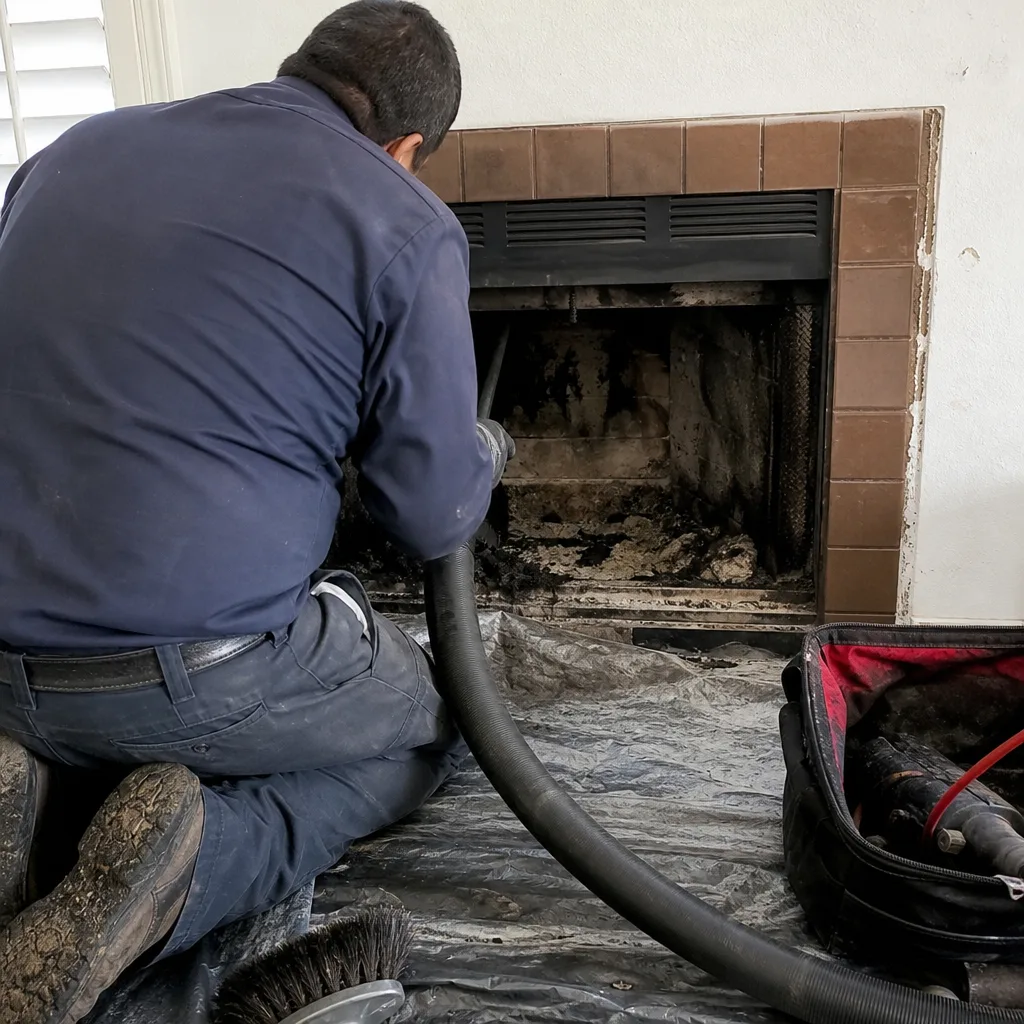
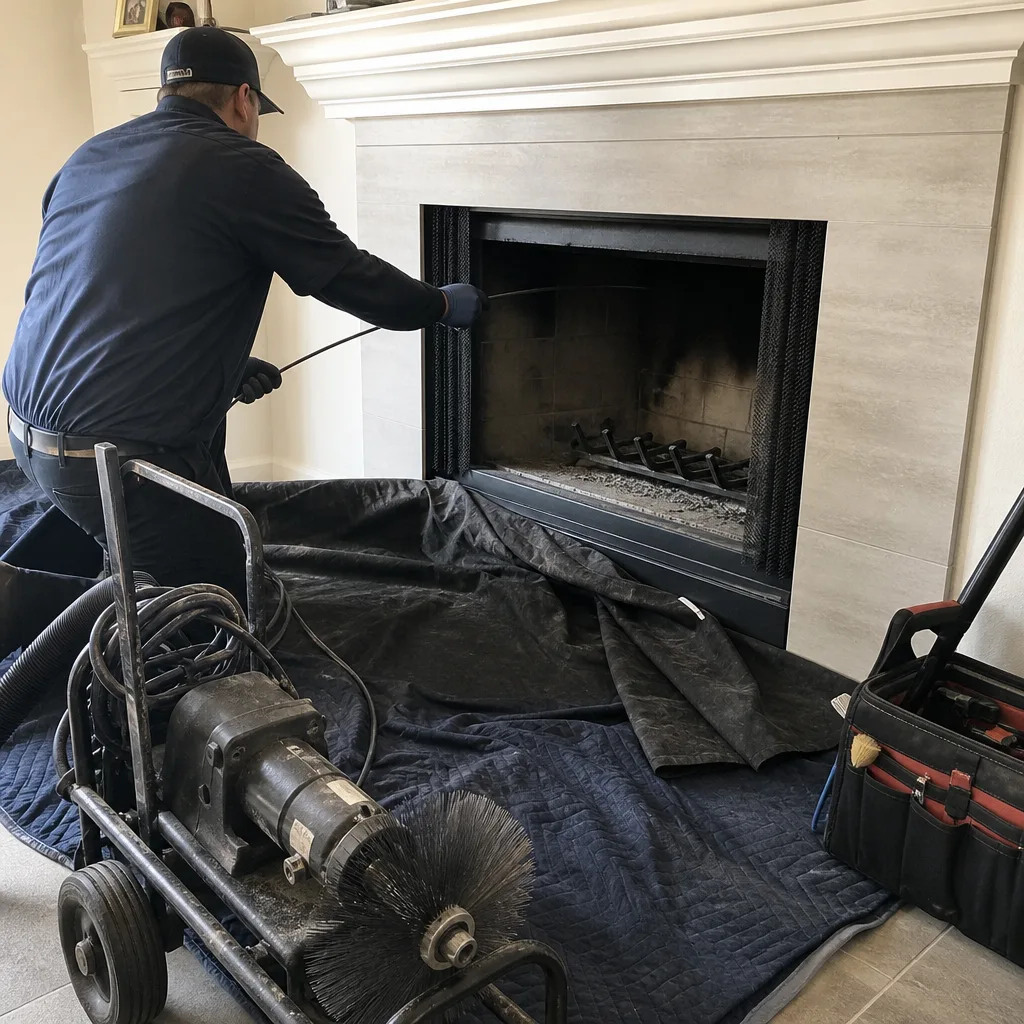
Verification. After any repair or installation, we verify draft with a manometer and run the camera again so you can see the result for yourself. You should never take a chimney company’s word that the liner is clean; you should see the proof. Our inspection report includes photos of the before and after.
- 5
Warranty activation. Every repair we do comes with a written 365-Day Done Right Promise. If the repair fails within the coverage period, the second visit is free. The guarantee is a written document included with your job, not a verbal assurance.
See the difference
 Before
 After
After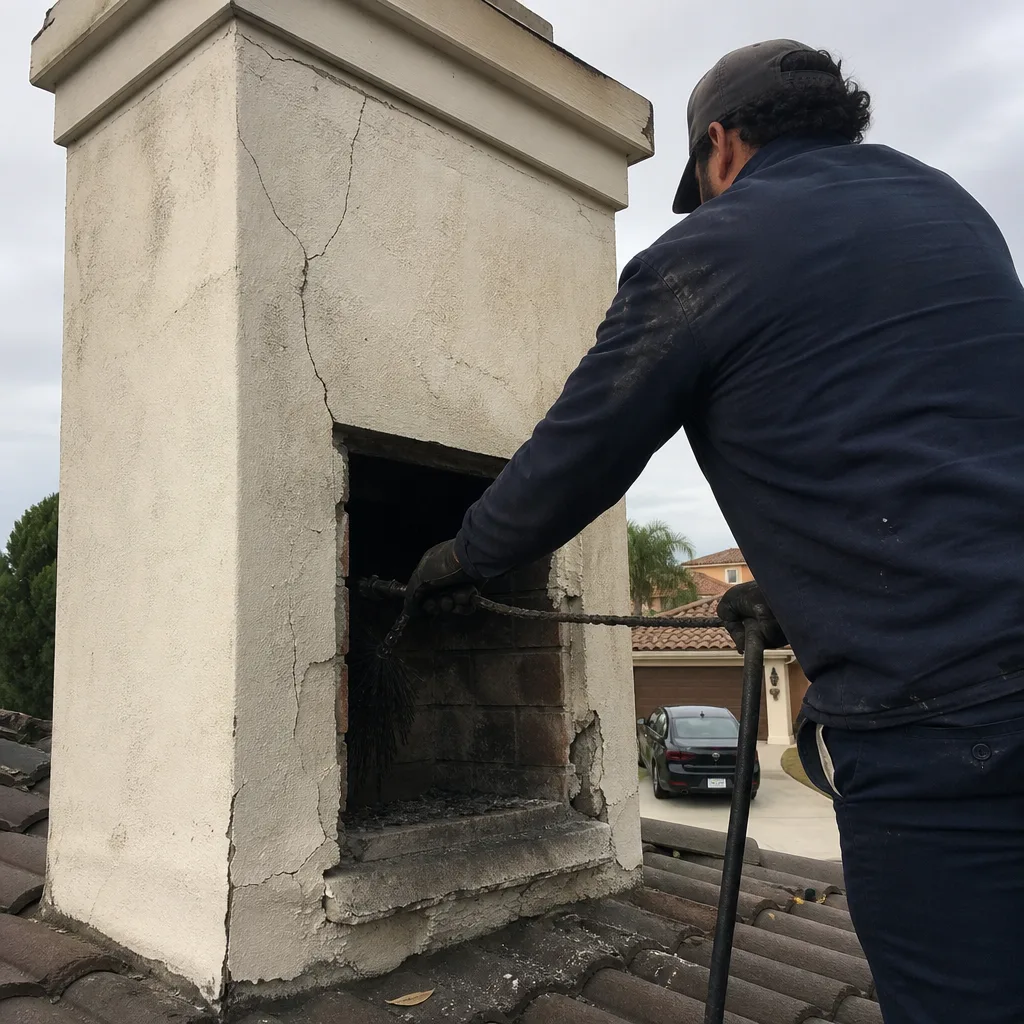 Before
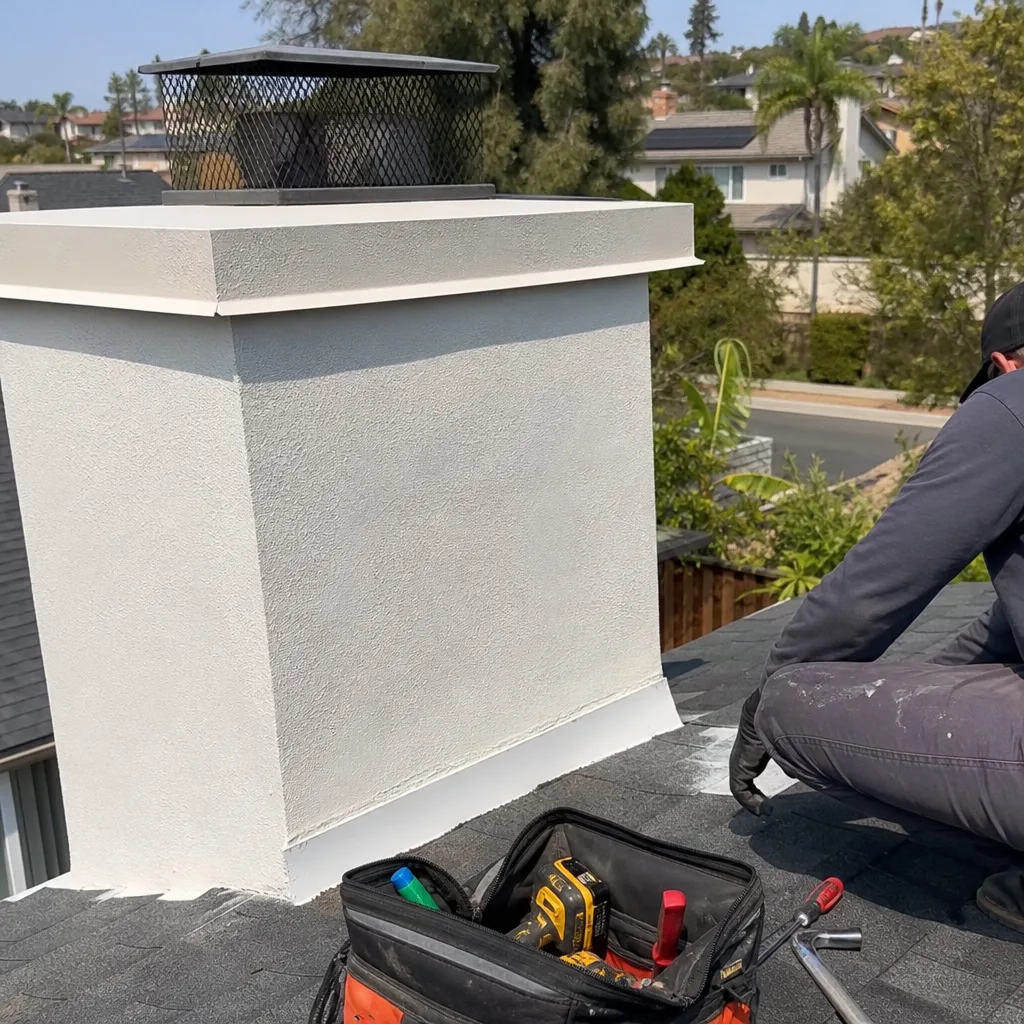 After
After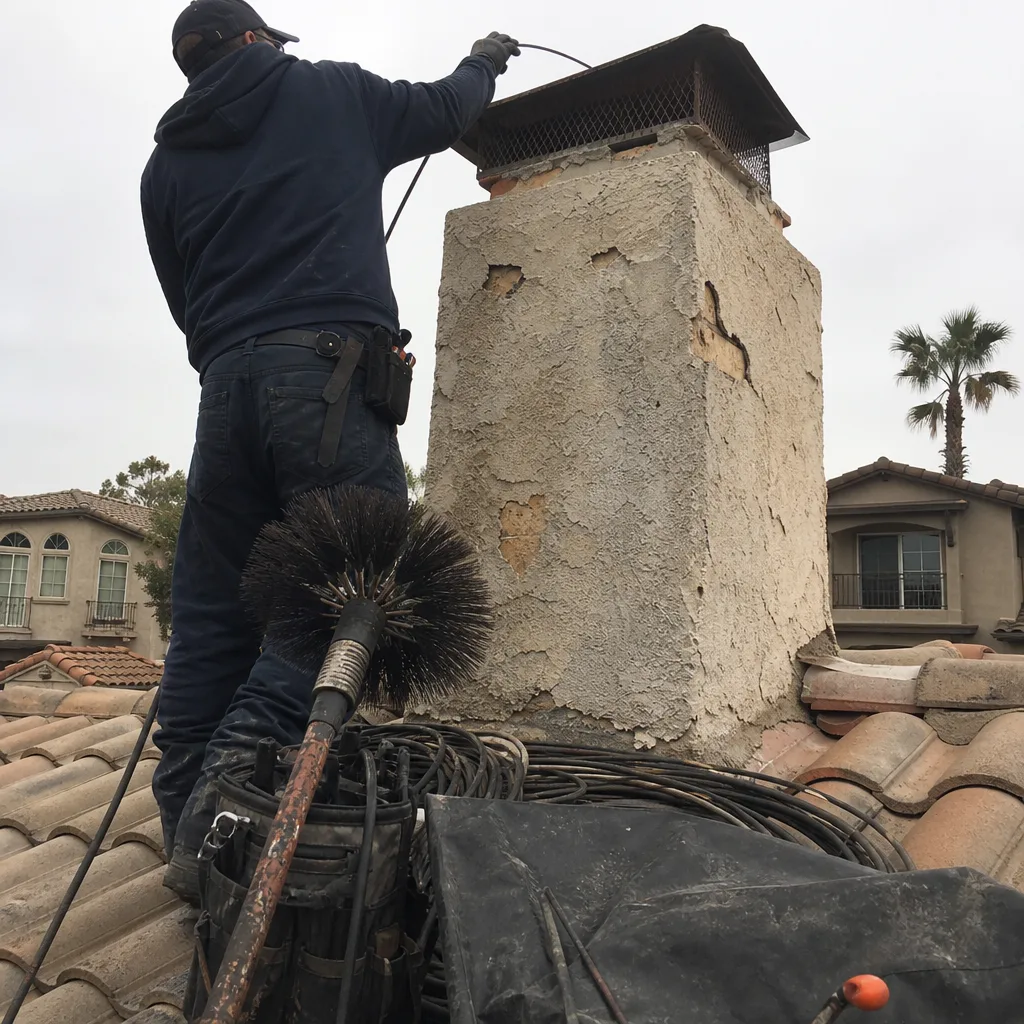 Before
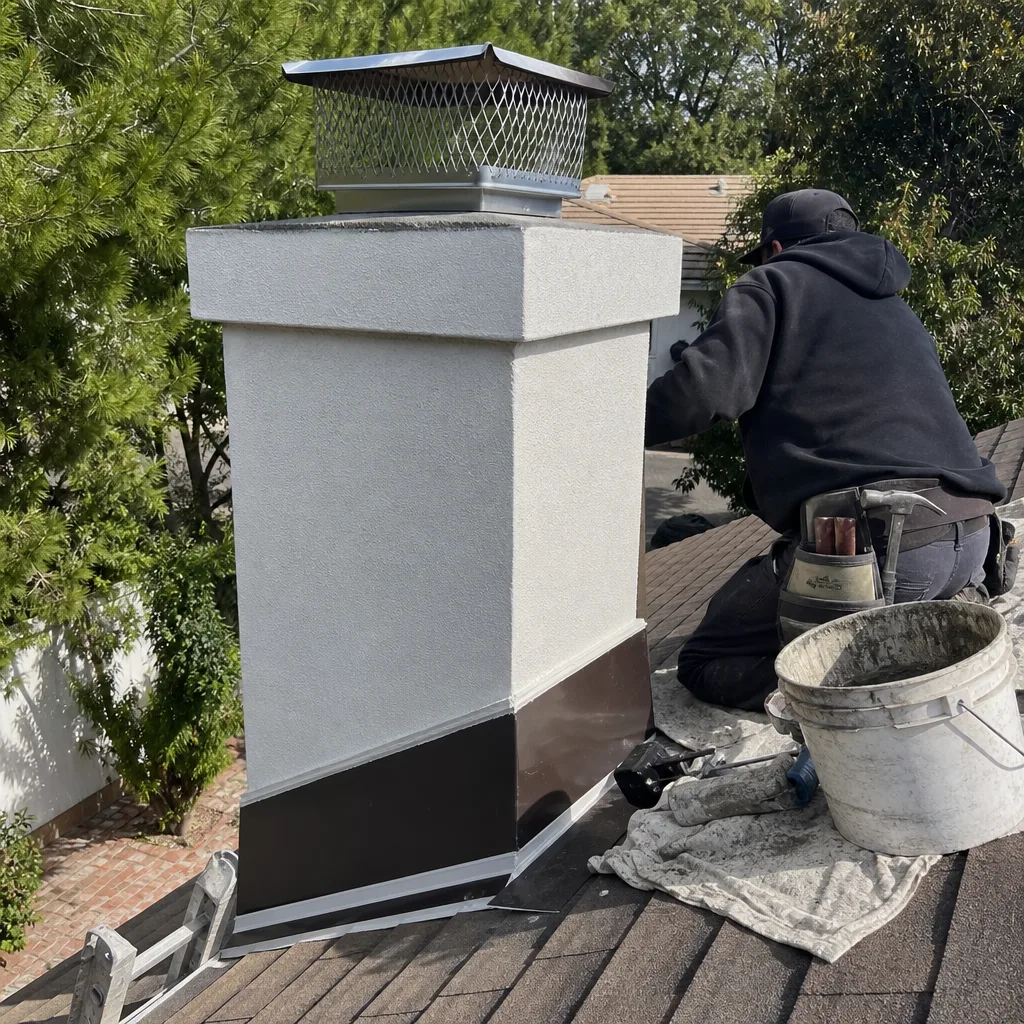 After
AfterDuraFlex Products We Service & Install in Ventura
We service and install the full range of DuraFlex flexible liner products found in Ventura homes: the DuraFlex 304L Single-Ply Flexible Liner, the DuraFlex 316L Single-Ply Flexible Liner (the 316L adds molybdenum for better corrosion resistance in coastal environments), the DuraFlex Aluminum Flex Liner for gas appliances, and the DuraFlex Pre-Insulated Flexible Liner for wood stoves and fireplaces where insulation is required. We keep common couplers, tees, caps, and top plates in stock for fast turnaround on repairs, and we can source full liner kits quickly when a replacement is needed. If you have a DuraFlex liner and aren’t sure which exact model it is, we can identify it during the inspection.
We Also Service These Brands
While this page focuses on DuraFlex, our technicians also service HeatShield resurfacing systems and Gelco chimney products, plus the broader range of Olympia Chimney, Famco, and Copperfield components. If your Ventura home has a different liner brand and you need honest service, you’ll get the same written pricing and the same 365-day guarantee.
FAQs – DuraFlex Chimney Cleaning Service in Ventura
Ventura’s marine layer deposits salt on exterior metal components, and that salt accelerates corrosion, especially at the termination cap and any exposed stainless surfaces. A 304L liner is a standard stainless alloy and will hold up reasonably well, but the 316L alloy includes molybdenum, which significantly improves resistance to chloride corrosion. In our experience in Ventura, a 316L liner typically lasts longer before showing corrosion at the cap and couplers than a 304L liner in the same house with the same burn habits. If you’re having a new liner installed in a coastal neighborhood, 316L is usually worth the modest price difference. Call (559) 282-2695 for a recommendation specific to your chimney.
That depends on the liner material and condition. A DuraFlex 304L or 316L stainless liner that was sized for a wood stove can sometimes be reused for a gas appliance, but only if it passes a camera inspection and the diameter matches the gas appliance’s venting requirements. A DuraFlex aluminum liner is approved for gas only, so if you already have aluminum and you’re switching from wood to gas, you may be in good shape. However, if the existing liner has creosote buildup from years of wood burning, that creosote must be fully removed before any gas appliance is connected, because creosote is acidic and corrosive even after the wood stove is gone. We can inspect the liner and tell you definitively whether it can be reused or whether a replacement makes more sense.
The residue on your liner is a record of how you burn. Dry, flaky, dark brown or black deposits are stage one creosote and come from reasonably hot, efficient fires. Sticky, shiny, tar-like buildup is stage two or stage three creosote and indicates either burning unseasoned wood, burning at low temperatures, or both. In Ventura, the damp air makes this stage two and three creosote more common because hearth fires here are often small, short burns on cool evenings, which never get hot enough to fully combust the wood gases. The residue tells us whether you’d benefit from burning drier wood, building hotter fires, or both. A standard sweep removes what’s there, and our recommendations help you slow its return.
In many Ventura homes, especially the older two-story Craftsman and Mediterranean-style houses in the Midtown and Eastside areas, a DuraFlex pre-insulated liner is a solid choice when the original clay tile liner is deteriorated or absent. The pre-insulated liner handles the temperature differential between the flue gases and the masonry well and helps maintain proper draft in a tall flue. The caveat is that a multi-story installation is more demanding: the liner must be supported correctly along its entire vertical run, and any sag or improper slope will cause exactly the problems we described earlier. That’s why the install matters as much as the product. We’d rather tell you honestly that your existing liner can be repaired than sell you a full reline, and we’ll show you the camera footage to back it up.
By camera. After we complete a sweep, we run a camera through the full length of the DuraFlex liner and show you the footage. You’ll see the liner walls, the couplers, the cap, and the connector. We don’t consider a sweep complete until the camera confirms the liner is clean and we’ve verified draft with a manometer. The written inspection report includes before and after photos. You should never settle for a Chimney Sweep that doesn’t show you the inside of your flue after the job, because a brush going up and down doesn’t prove anything on its own.
A standard DuraFlex chimney cleaning in Ventura typically runs $199 to $349, depending on the liner length, the amount of creosote present, and whether it’s a standard cleaning or a stage-three creosote removal that requires additional chemical treatment. Repairs are priced separately, always in writing before we begin. If you need a cap replacement, a coupler, or a connector seal, you’ll see that line item clearly. Call (559) 282-2695 for an exact quote. Estimates are free.
No. Alcott Chimney Ventura is an independent DuraFlex service provider. We are not affiliated with or authorized by the manufacturer. What that means for you is that our recommendations are based on what your liner actually needs, not on what a manufacturer’s sales program wants us to move. We install and service DuraFlex products because they’re solid systems that we see perform well in Ventura, and we’ll tell you plainly when a DuraFlex component is the right call and when a different brand or approach would serve you better.
Book Your DuraFlex Service in Ventura, CA
If you own a DuraFlex liner and want service from a Ventura company that will show you the camera footage, give you a written price, and back every repair with a 365-day guarantee, call (559) 282-2695. A live person answers every call, day or night. We’ll schedule your inspection or cleaning, and you’ll know exactly who’s coming to your door before the truck arrives.
Written by Ruben Castellano, Owner at Alcott Chimney Ventura, serving Ventura since 2002.