
Last updated October 15, 2026
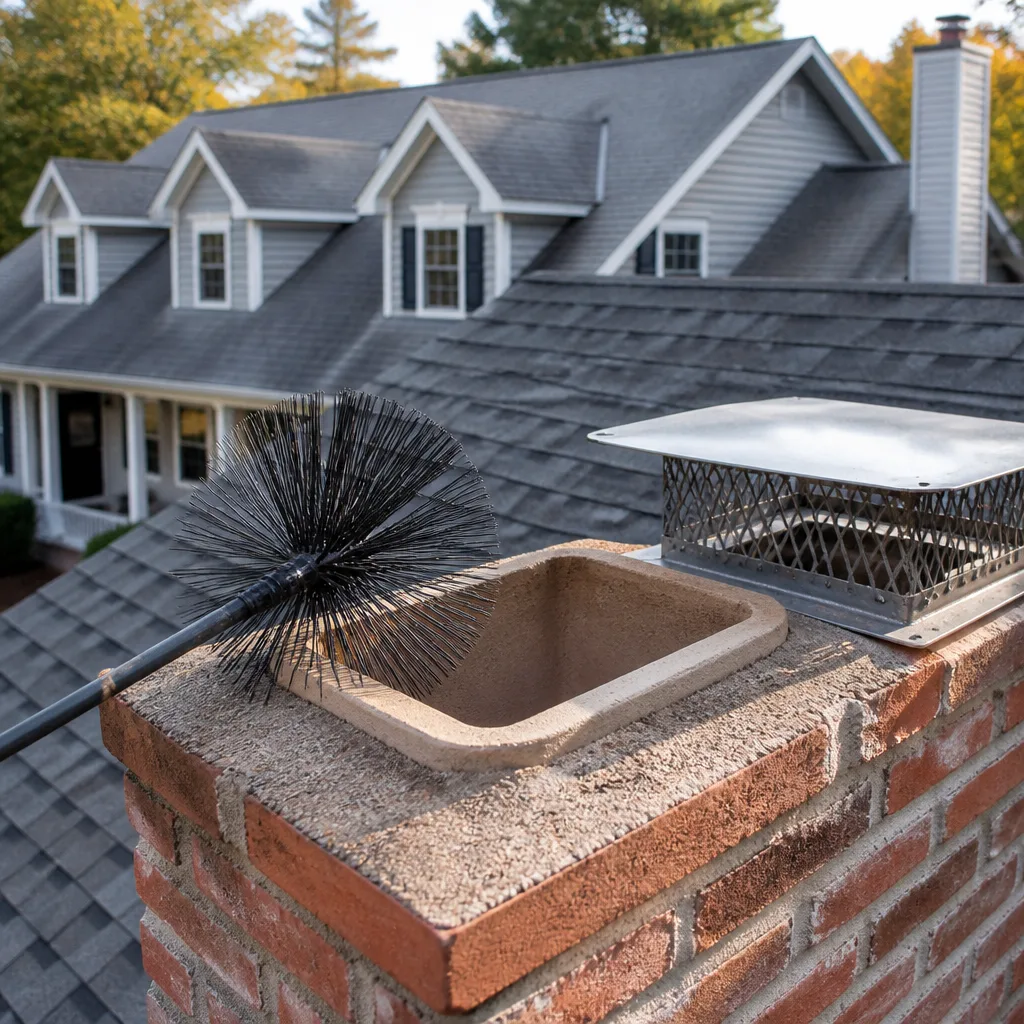 Sweep & inspection
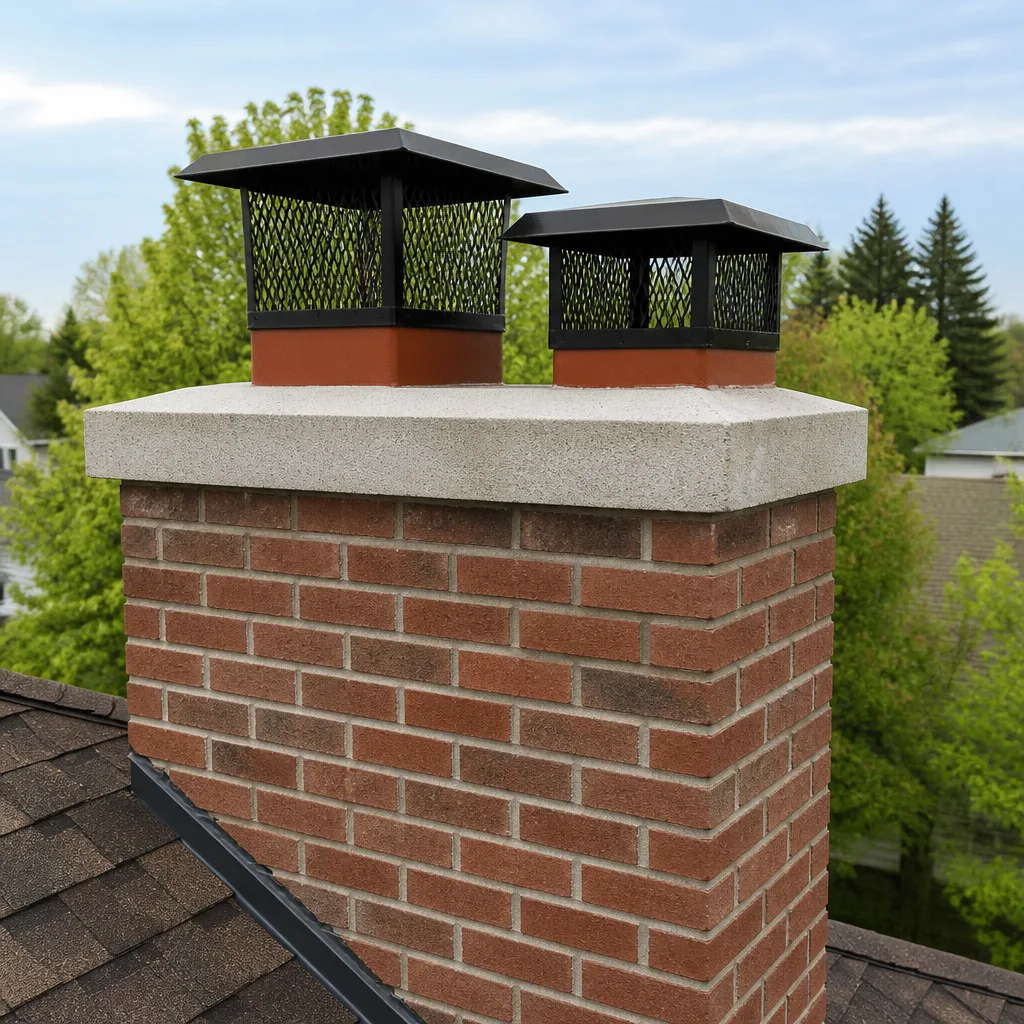 Caps & crowns
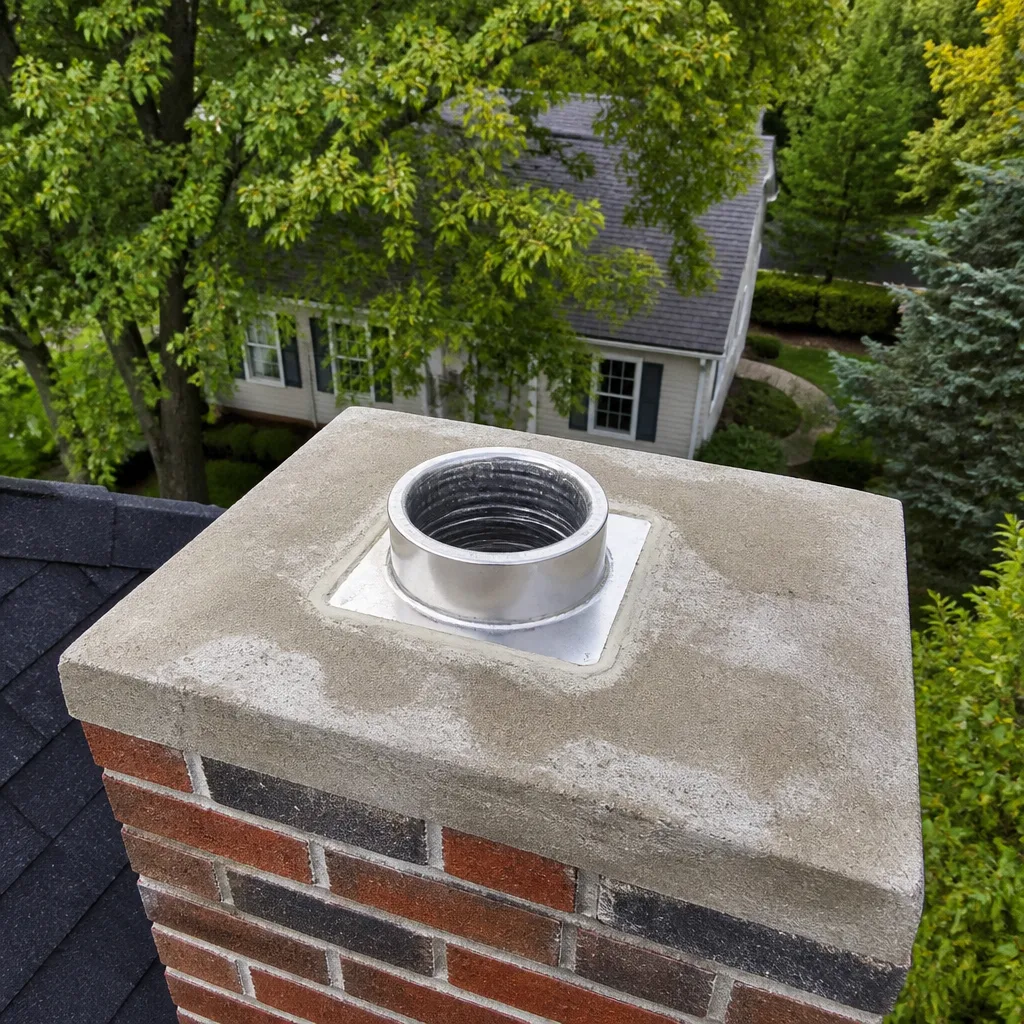 Flue relining
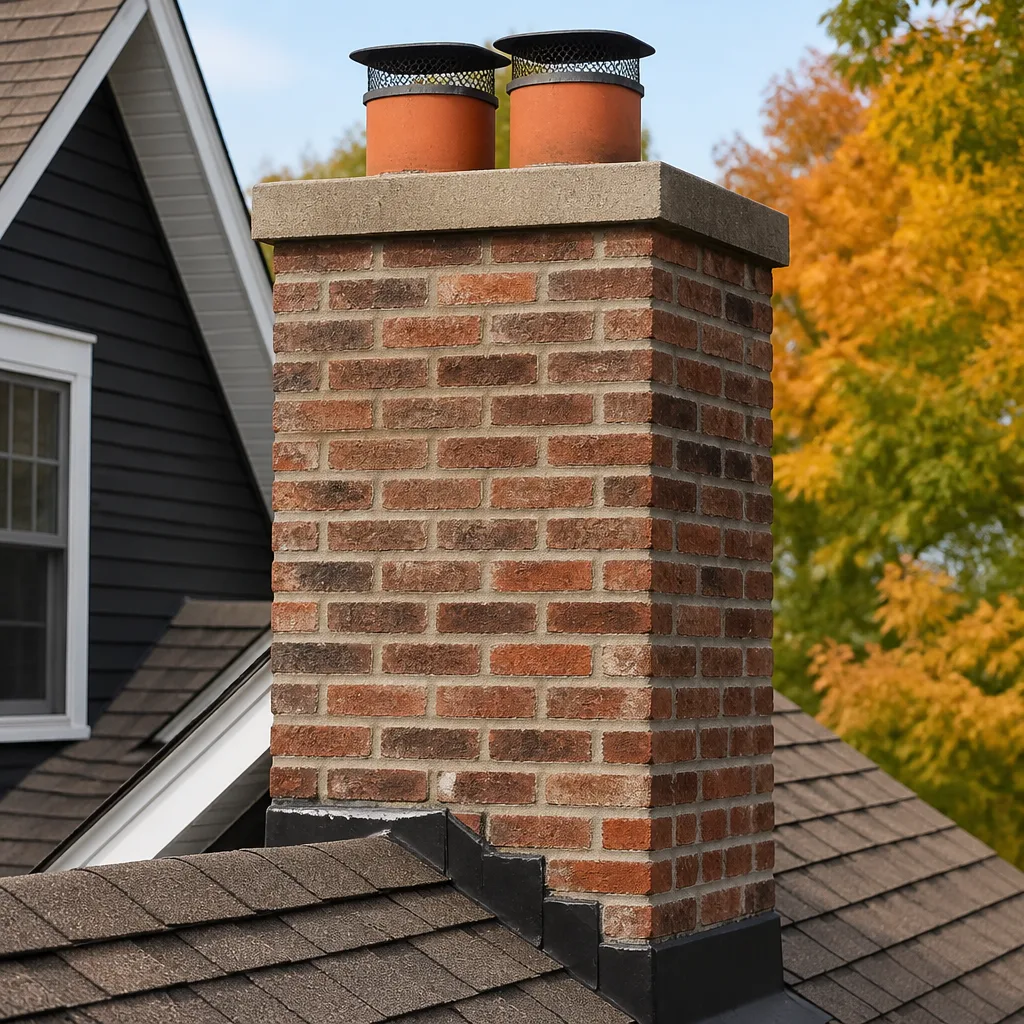 Masonry repair
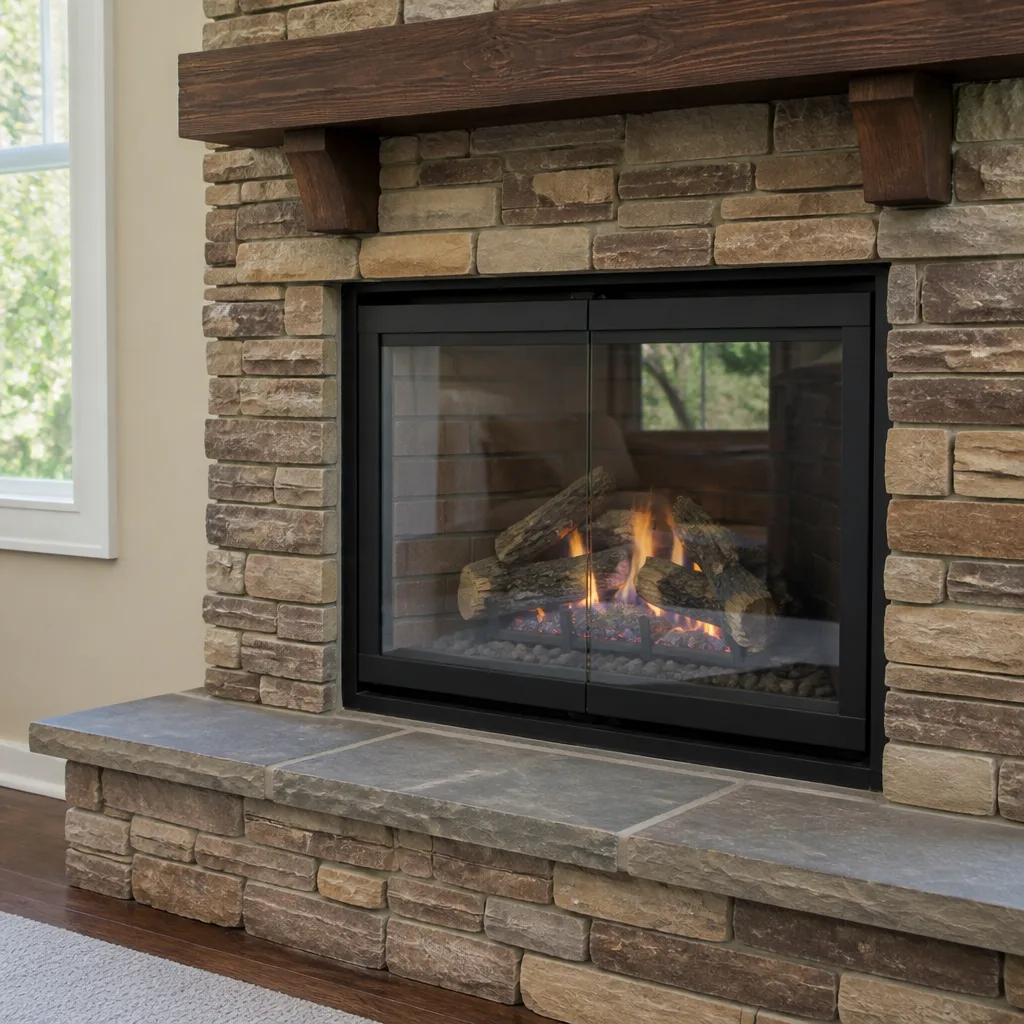 Gas fireplace service
Level 1 sweep and inspection to the NFPA 211 annual standard - flue, crown, cap, and flashing checked and photographed
Chimney sweep logs do not sweep chimneys. They loosen some creosote - which then falls where a brush and vacuum still have to collect it.
DIY vs Professional Chimney Cleaning: The Ventura Homeowner’s Decision Guide
A homeowner with a $60 brush kit can successfully remove loose soot, but has no way to know whether what’s left behind is Stage 1 creosote that brushes away or Stage 2 creosote, a flammable glaze that requires chemical treatment. That uncertainty is where chimney fires start. This guide walks through exactly what DIY cleaning can and cannot accomplish in Ventura homes, what equipment you’d actually need, and where the line sits between a reasonable Saturday project and a job that needs a trained eye with a camera. For how to hire a chimney cleaning contractor in Ventura, see our step-by-step guide. By the end, you’ll have a decision framework that’s honest about both sides.
Styles & brands we work with
Quick Answer
DIY chimney cleaning works for removing loose soot and light Stage 1 creosote between professional cleanings, but it cannot replace the inspection component that catches liner cracks, smoke chamber glazing, and firebox damage. Most Ventura homeowners should plan on a professional sweep and inspection at least once per year-our seasonal chimney cleaning care guide for Ventura explains the ideal timing-using DIY brushing only as an interim visual check. If you burn wood regularly or notice any change in how your fireplace draws, skip the kit and call a professional.
Table of Contents
- What DIY Chimney Cleaning Can Realistically Accomplish
- The Three Things Only a Camera Can See
- What Proper DIY Equipment Actually Costs
- Honest Cost Comparison: DIY vs. Professional in Ventura
- The Insurance and Liability Angle Most Guides Skip
- A Decision Framework for Ventura Homeowners
- Common Mistakes to Avoid
- When to Call a Professional
- Frequently Asked Questions
- The Bottom Line
What DIY Chimney Cleaning Can Realistically Accomplish
Let’s be straightforward about what a do-it-yourself sweep does well. If your fireplace produces light gray or brown powdery soot, a chimney brush on a flexible rod will knock most of it loose. That’s the Stage 1 creosote we mentioned earlier, and it’s the easiest deposit to remove. In Ventura, where many homes burn seasoned oak and occasional duraflame-style logs, loose soot accumulation is common in the upper flue, especially after a winter of weekend fires.
What DIY brushing will not do: remove Stage 2 creosote, which looks like shiny black flakes or tar-like glaze. That material is baked onto the flue walls and requires chemical treatment or rotary cleaning with specialized chains and whips. It also will not address Stage 3 creosote, a thick, hardened glaze that can look like a layer of black glass. Trying to brush Stage 3 off with a standard wire brush is like trying to scrape cured epoxy with a toothbrush. You’ll work for hours and leave most of it behind.
There’s also the matter of what you can see. From the top of the chimney or from inside the firebox, you’re only getting a partial view. The smoke chamber above the damper, the transition area between the firebox and the flue, is difficult to reach without the right equipment. In many older Ventura homes, particularly those built between the 1940s and 1970s, smoke chambers were constructed with corbeled brick steps that collect creosote in every ledge and crevice. A homeowner brush simply cannot reach those surfaces with enough force to remove baked deposits.
Here’s what DIY sweeping can accomplish, summarized:
- Loose soot removal from the visible portion of the flue, typically the upper 10 to 15 feet.
- Basic visual check of the flue from the top, if you’re comfortable on a ladder and the roof pitch is manageable.
- Creosote flake removal in the firebox and on the smoke shelf, the flat area just above the damper.
- Seasonal tidying between professional cleanings, which extends the effectiveness of a full sweep.
The key phrase is “between professional cleanings.” DIY works as a supplement, not a substitute. The people who get into trouble are those who decide that one successful afternoon with a brush means the chimney is fine forever.
The Three Things Only a Camera Can See
After a chimney sweep does the brushing, the inspection is where the real value sits. A professional in Ventura brings a camera system, typically on a flexible rod or drone, that captures the full interior of the flue from firebox to cap. That camera reveals three conditions that no amount of manual brushing will uncover.
1. Liner Cracks and Gaps
Clay tile liners crack. It’s not a matter of if but when, especially in Ventura’s coastal climate where temperature swings between cool foggy mornings and warm afternoons create expansion and contraction stress on masonry. A hairline crack in a clay tile might seem minor, but it exposes the chimney structure to heat and gases. Over time, that crack widens. A camera inspection shows exactly where the crack sits and how deep it runs. Without that visual evidence, you’re guessing.
2. Smoke Chamber Glazing
The smoke chamber is the inverted funnel area above the firebox and below the flue. In many Ventura homes, this area was never parged, meaning the corbeled brick was left rough. Rough brick collects creosote aggressively. Stage 2 deposits in the smoke chamber sit close to the fire and reach high temperatures quickly, making this area a primary ignition point for chimney fires. A camera inspection documents the deposit level and confirms whether the chamber walls are smooth or rough enough to warrant parging.
3. Firebox Back-Wall Integrity
The back wall of the firebox takes direct flame exposure and repeated thermal shock. Cracked firebrick, deteriorated mortar joints, or shifted refractory panels create gaps where heat can reach combustible framing. In a Ventura home with a prefabricated fireplace, the refractory panels are manufactured components that crack and spall over years of use. Camera inspection from inside the firebox catches damage that a visual glance from the hearth misses.
None of these three conditions is visible without a camera, and none of them is addressed by a brush. A homeowner can sweep the flue and still have a dangerous chimney.
What Proper DIY Equipment Actually Costs
Let’s price out a legitimate DIY setup, not the entry-level kit that leaves you frustrated. To clean a standard masonry chimney in a Ventura home, you need the following:
- Chimney brush sized to your flue, either wire or poly: $40 to $80. Poly brushes work fine on clay tile, but a wire brush is needed for anything more aggressive.
- Flexible rods in 4-foot sections, enough to reach from the top or through the firebox: $60 to $120. Cheap rods flex too much and snap under load.
- Drop cloths and plastic sheeting to contain dust: $20 to $40. Sofoot will travel through the house if you skip this step.
- Shop vacuum with HEPA filter: $100 to $300 if you don’t already own one. A standard household vacuum will clog and spread fine ash.
- Ladder capable of safely reaching your roof: $150 to $400 for a quality extension ladder. Most Ventura homes have one- to two-story rooflines, and a 24-foot ladder covers most of them.
- Safety harness or fall protection: $80 to $150. Working on a roof is genuinely dangerous, and a harness is not optional if the pitch is anything beyond a gentle slope.
- Dust mask and safety goggles: $30 to $60. Creosote dust is an irritant and a known carcinogen with repeated exposure.
All in, you’re looking at $480 to $1,150 for equipment that will last several years if stored properly. If you already own a ladder and a shop vacuum, the marginal cost drops to around $100 to $200 for the brush and rods. But that’s only the equipment cost. The time commitment is typically four to six hours for a first-time DIY sweep, including setup, cleaning, and the inevitable mess management. A professional completes the same job in about an hour, and the mess is contained.
Honest Cost Comparison: DIY vs. Professional in Ventura
A standard chimney sweep in Ventura typically runs between $180 and $350 before any repairs, depending on the chimney type, roof access, and whether it’s a masonry or prefabricated unit. See our chimney cleaning cost breakdown for Ventura homeowners for full 2026 pricing details. That price almost always includes a camera inspection and a written report. Let’s break down the real comparison.
- DIY cost, first year: $480 to $1,150 in equipment plus four to six hours of labor, with no inspection report and no guarantee that the flue is actually clean.
- Professional cost, per visit: $180 to $350, with camera verification, a written inspection report, and a written guarantee on the work.
- DIY cost, subsequent years: roughly $50 to $100 for brush replacement and materials, assuming your equipment survived storage, plus the same time commitment.
The math shifts once you factor in what a camera inspection catches. A hairline liner crack found early costs a few hundred dollars to address with a resurfacing treatment. That same crack left for two or three more seasons can mean a full liner replacement at $2,500 to $6,000. A DIY cleaning catches no such thing. The most expensive chimney sweep in Ventura is cheaper than the least expensive chimney fire.
There’s also the matter of what professional equipment accomplishes beyond brushing. A professional uses rotary cleaning systems with chains and whips designed to break up Stage 2 glazing. Those systems cost thousands of dollars and require training to operate without damaging the flue. No homeowner kit comes close.
When we work with the trade brands we trust, like Olympia Chimney and Copperfield, we’re using components matched to the specific flue dimensions and appliance type. That matters for repairs, but even for cleaning, the right brush type and size prevent liner damage that a generic brush can cause. A poly brush on a clay tile liner is fine; a metal brush on a stainless steel liner can scratch and damage it. Most Ventura homeowners can’t tell what type of liner they have without a camera.
The Insurance and Liability Angle Most Guides Skip
Here’s a question most DIY guides don’t ask: what happens if you do your own chimney cleaning and a fire occurs? The answer depends on your insurance policy, but the general principle is that insurers expect homeowners to maintain their chimneys to a reasonable standard of care. That standard includes annual inspections by a qualified professional in most policies.
If you file a claim after a chimney fire and the adjuster finds that you cleaned the chimney yourself but had no professional inspection for three years, two things happen. First, the claim may be denied on the grounds of inadequate maintenance. Second, if the fire was determined to originate from the chimney, you could face subrogation, where the insurer seeks to recover costs. That’s a hard position to defend.
A professional sweep in Ventura produces a written report that documents the condition of the flue at a point in time. That report is your defense against a denied claim. It shows that you exercised due diligence. A receipt from a hardware store for a brush kit does not.
There’s also the personal safety component, and we want to be direct about it. Working on a roof in Ventura is not like working in a flat Midwestern suburb. Roof pitches here vary widely, from near-flat mid-century designs to steep Mediterranean tile profiles. Red tile roofs are slippery and brittle. One misstep and you’re not talking about a chimney anymore; you’re talking about a hospital visit. Every year, homeowners fall from roofs while attempting maintenance that a professional would have done in under an hour. That’s not scaremongering. That’s the reality of gravity.
With that said, if you are going to DIY, work from the ground or from the firebox whenever possible, and only access the roof if the pitch is gentle and you have proper fall protection. Never work on a tile roof. The tiles crack under your weight and create a new repair bill.
A Decision Framework for Ventura Homeowners
You now have a clear picture of what each approach can and cannot do. For more guides & resources on chimney care, explore our blog. Here’s the decision framework we recommend for Ventura homeowners:
- Have you had a professional inspection in the last 12 months? If no, book one before doing anything else. That inspection is your baseline, and it tells you what you’re dealing with. You can’t make a good decision without data.
- Do you burn wood more than twice a month between October and March? If yes, you need an annual professional sweep at minimum. Ventura’s winter burn season is shorter than inland areas, but creosote still accumulates.
- Have you noticed any change in fireplace performance? Sluggish drafting, smoke spillage into the room, or a smell of smoke when the fireplace isn’t in use are all triggers for a professional call. These symptoms often indicate a blockage, a drafting problem, or a liner issue, none of which a DIY sweep fixes.
- Is DIY appropriate for you? Only if you have a recent professional inspection, you burn infrequently, your flue showed only Stage 1 deposits, and you own or can borrow proper equipment. In that case, a light brushing between professional visits is reasonable.
- Commit to a schedule. Write it down. Professional sweep and inspection every 12 months for regular wood burners. Every 24 months for occasional users. DIY visual checks every 60 days during burn season.
The home truth is this: DIY chimney cleaning is a maintenance activity, not a replacement for professional service. The two work together, and the homeowner who understands that has both a cleaner chimney and a smaller annual bill.
Common Mistakes to Avoid
- Believing a clean-looking firebox means a clean chimney. The firebox can look spotless while Stage 3 creosote sits 20 feet up the flue. The firebox tells you nothing about what’s above the damper.
- Using a brush that’s the wrong size or type. An undersized brush leaves creosote on the flue walls. A metal brush on a stainless liner causes scratching that accelerates creosote adhesion. Without a camera, you won’t know which liner you have.
- Skipping the drop cloth because “it’s just a little dust.” Creosote dust is fine, black, and sticky. It travels through the entire house if you don’t seal the firebox opening. In Ventura homes with open floor plans, that means soot on every surface in the living space.
- Cleaning from the top without fall protection. As covered above, this is how homeowners end up in the emergency room. No amount of money saved justifies a fall from a second-story roof.
- Treating a DIY clean as a substitute for an inspection. The brush moves soot. It does not evaluate the structural condition of the chimney. These are different tasks, and only one of them catches fires before they start.
- Ignoring a smoky smell between cleanings. A persistent smoke odor in summer often means a Stage 2 or Stage 3 creosote buildup or an obstruction. Waiting until winter to investigate means you discover the problem exactly when you want to use the fireplace.
- Assuming a gas fireplace needs no chimney maintenance. Gas fireplaces produce water vapor and acidic condensate that corrode venting over time. In coastal Ventura, where humidity is higher, vent inspection matters even for gas units.
When to Call a Professional
Call a professional if you see shiny black creosote, if smoke spills into the room when you light a fire, if you’ve skipped inspections for two or more years, if you hear animals in the chimney, if you see crumbling mortar or cracked brick on the exterior chimney, or if your home has a prefabricated fireplace that’s never been inspected. Each of these signals a condition that a brush cannot address. Alcott Chimney Ventura home services include full camera inspection with every sweep, and our technicians arrive with the name-and-photo preview that tells you exactly who’s coming. We offer free estimates in Ventura. Call (559) 282-2695 and a live person answers, day or night.
Frequently Asked Questions
A standard chimney sweep in Ventura ranges from $180 to $350, depending on chimney type, roof access, and whether it’s a masonry or prefabricated unit. That price is almost always bundled with a camera inspection and written report at Chimney Sweep in Ventura providers. Repairs are quoted separately, and you should never accept a sweep that comes with surprise repair charges at the end.
Homes that burn wood more than twice a month should be swept annually. Occasional users can go 24 months, but an annual Chimney Inspection in Ventura is still recommended because inspections catch liner and structural issues that develop even without heavy use. The National Fire Protection Association recommends an annual inspection regardless of burn frequency.
You can remove loose soot and light Stage 1 creosote with a brush kit, but you cannot assess whether the flue is actually clean or structurally sound. DIY brushing works as an interim measure between professional cleanings, not as a replacement for them. Without a camera, you’re working blind.
Creosote accumulates in stages. Stage 1 is brushable. Stage 2 is a flaky or tar-like glaze that requires chemical treatment or rotary cleaning. Stage 3 is a hardened glaze that resembles black glass. At Stage 2 and above, the creosote becomes a real fire risk. A chimney fire can crack the liner, and a cracked liner can allow heat and gases into the home’s structure. That’s the path from “I’ll deal with it next year” to a five-figure repair.
Only if the camera footage shows damage that justifies it. You should never accept a liner recommendation without seeing the video yourself. We make a point of showing every homeowner their camera footage and explaining exactly what we’re looking at before we recommend anything. If a company won’t show you the footage, get a second opinion. Materials matter too; professional liner systems like Gelco are specified for the specific flue dimensions and appliance type, and generic substitutes underperform.
Does Gas Fireplace Repair in Ventura relate to chimney cleaning?
Yes, in an indirect way. Gas fireplaces don’t produce creosote, but their venting systems still need inspection. Coastal humidity in Ventura accelerates corrosion in metal venting, and acidic condensate from gas combustion eats at connections over time. A damaged vent on a gas fireplace can leak carbon monoxide. Annual inspection catches that before it becomes a problem.
The Bottom Line
DIY chimney cleaning has a role, but it’s a supporting role. A homeowner with a brush and the right equipment can remove loose soot between professional visits, and that’s worth doing for the fireplace you use regularly. What that homeowner cannot do is assess the structural condition of the chimney, identify Stage 2 and Stage 3 creosote, or document maintenance for insurance purposes. Those things require a camera, professional training, and a written report. In Ventura, where coastal conditions stress masonry and where roof profiles make DIY work genuinely dangerous, the smart play is an annual professional sweep and inspection with DIY visual checks in between. That’s the line, and it’s a clear one. Alcott Chimney Ventura home has served Ventura since 2002, and we’re happy to talk through your chimney’s specific condition. Call (559) 282-2695 for a free estimate.
Written by Ruben Castellano, Owner at Alcott Chimney Ventura, serving Ventura since 2002.
See the difference
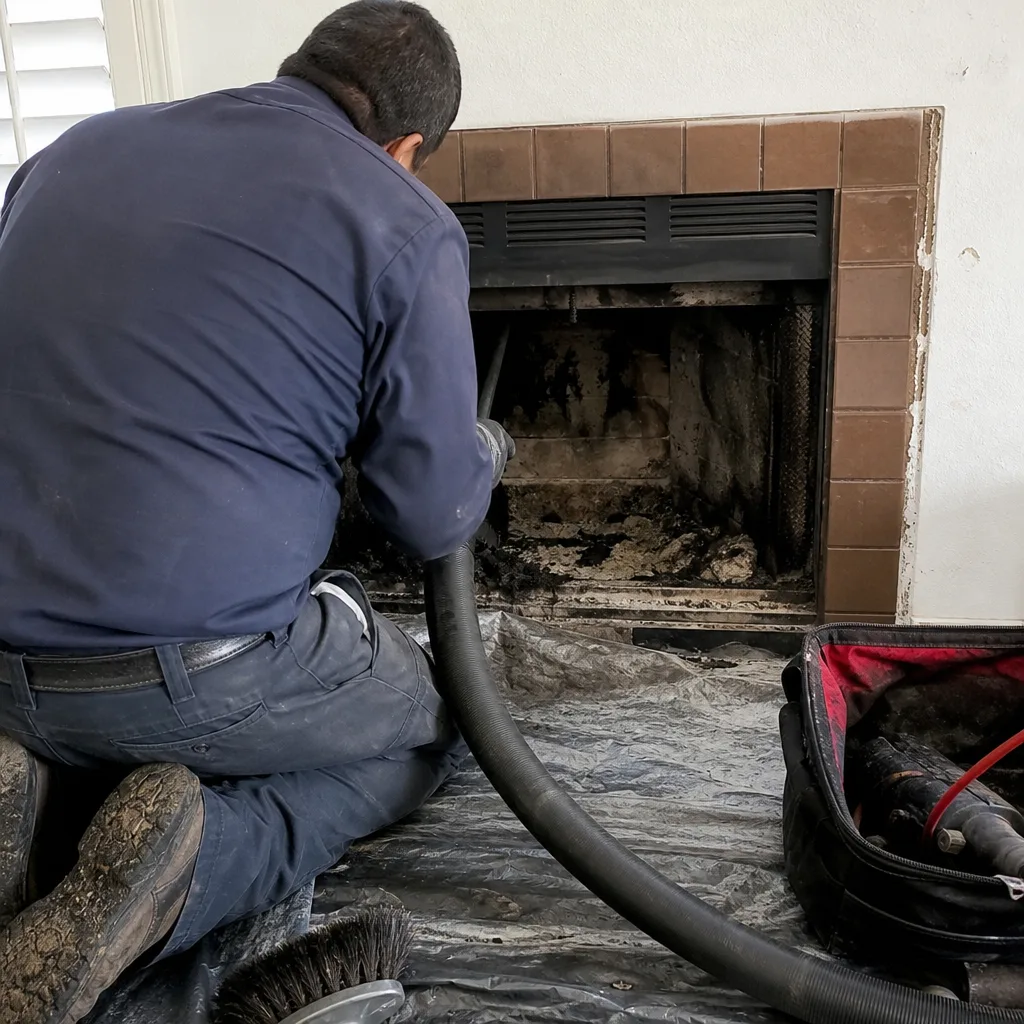 Before
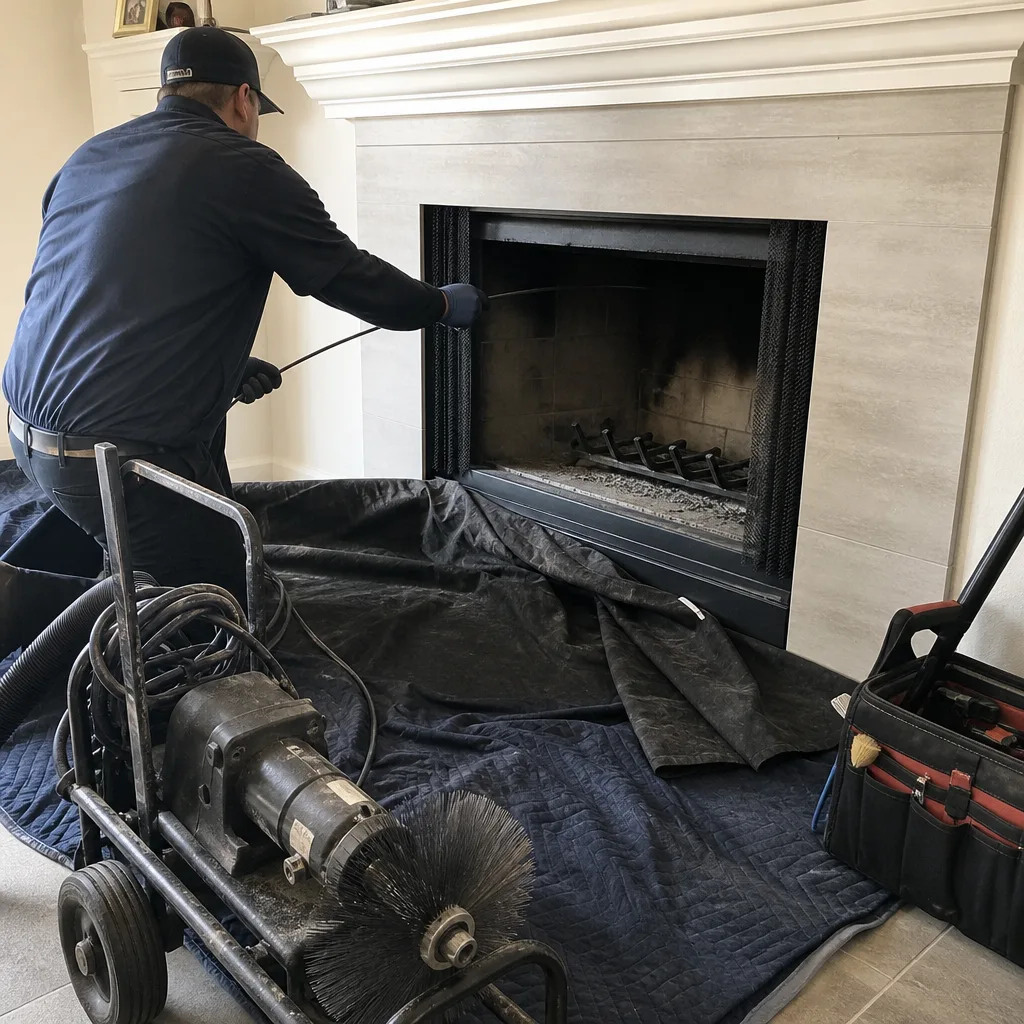 After
After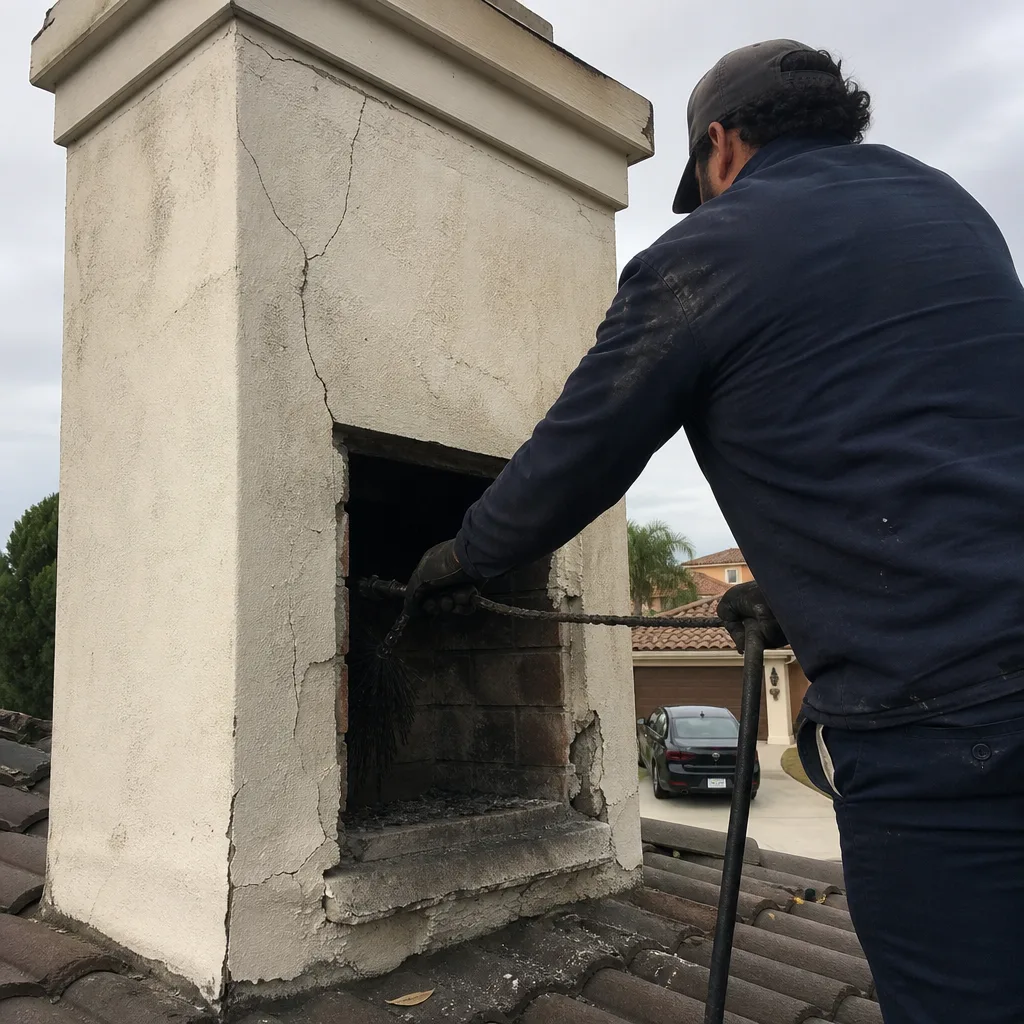 Before
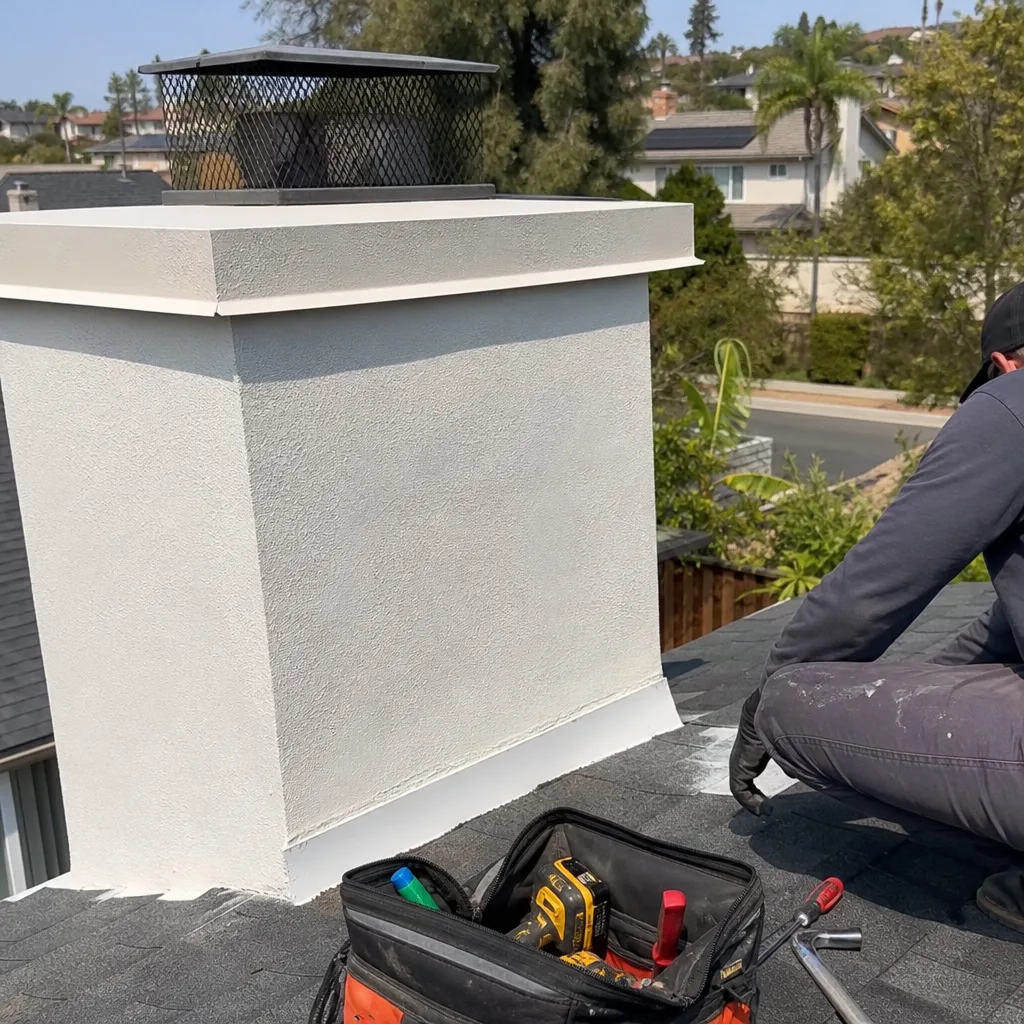 After
After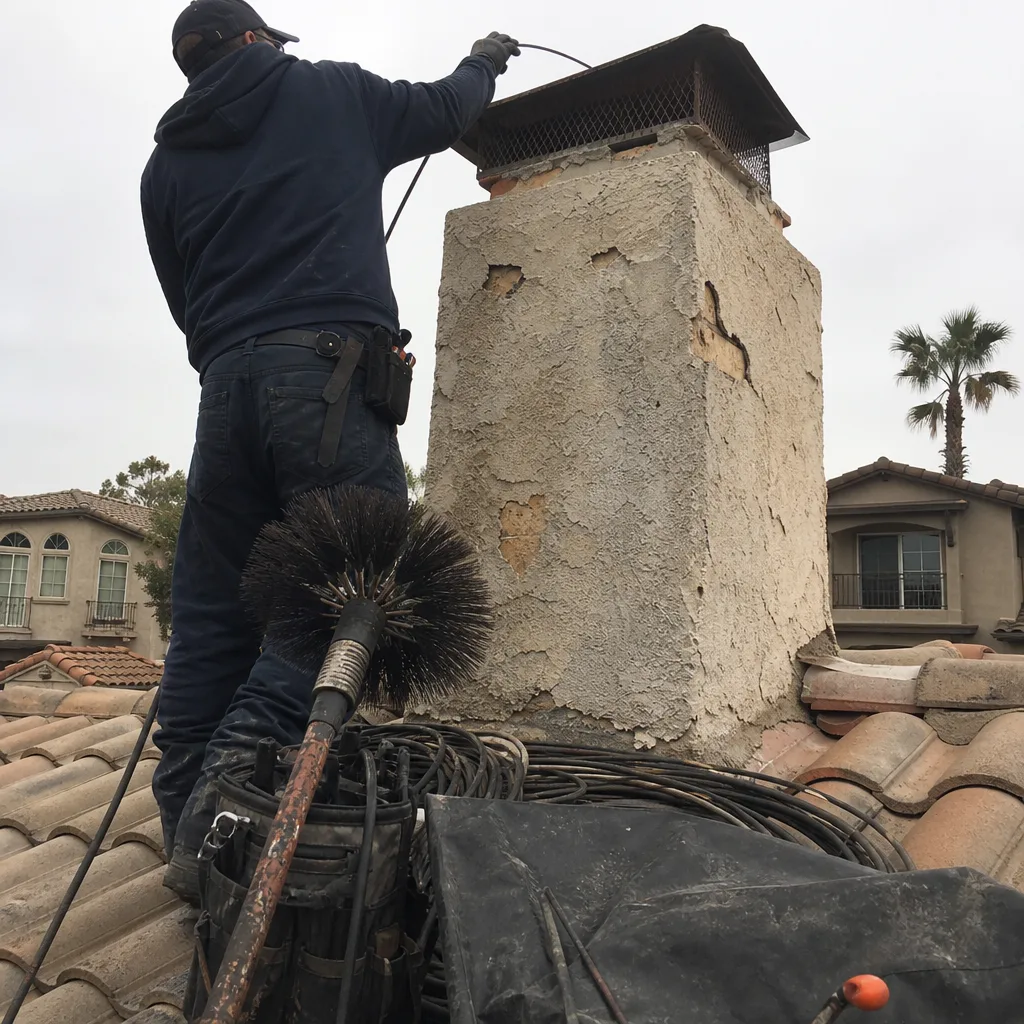 Before
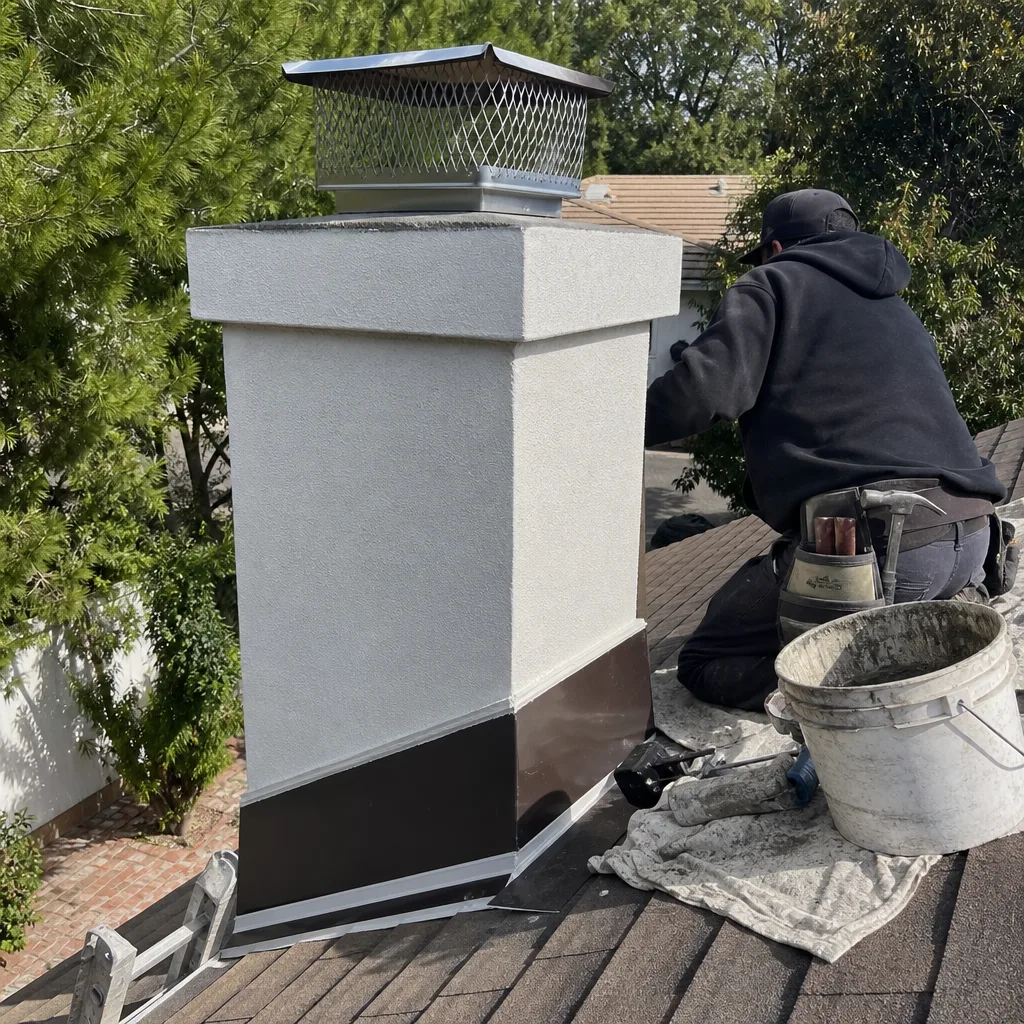 After
After