
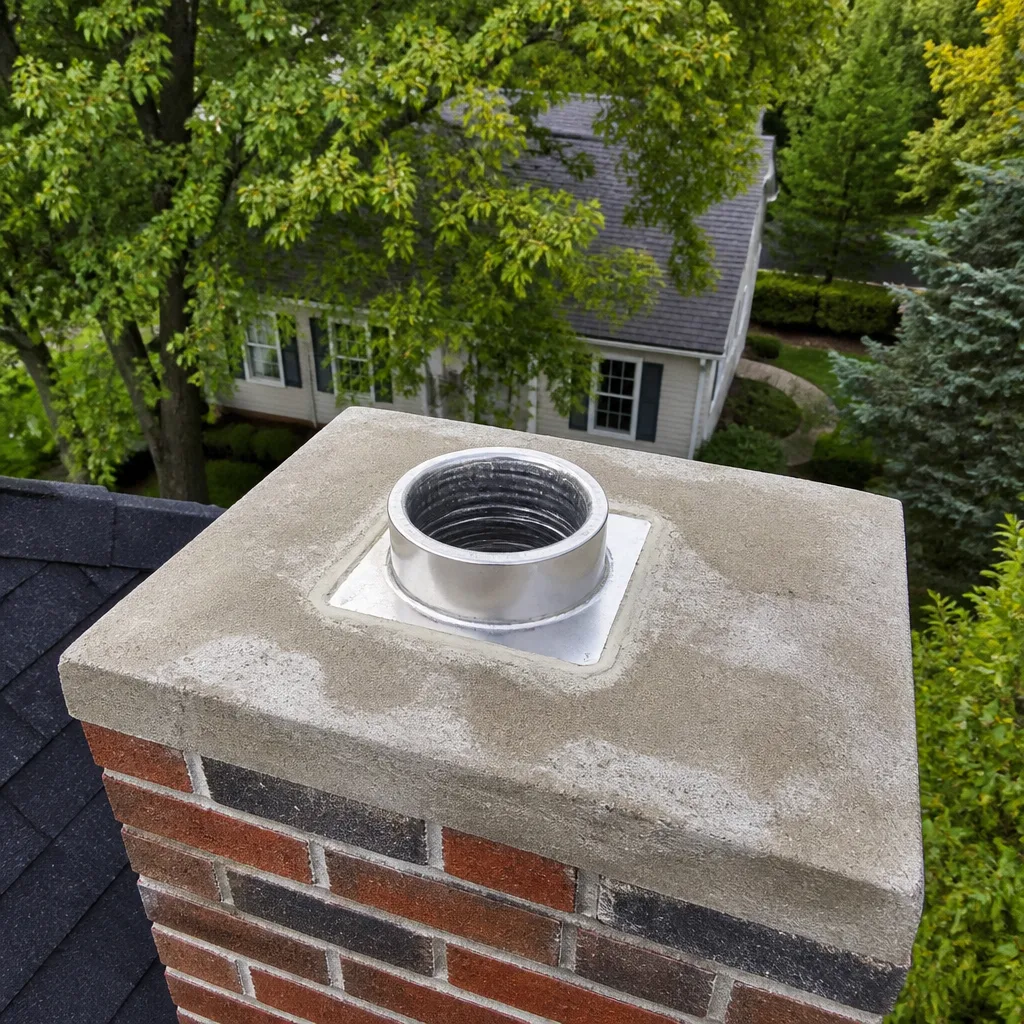
 Flue relining
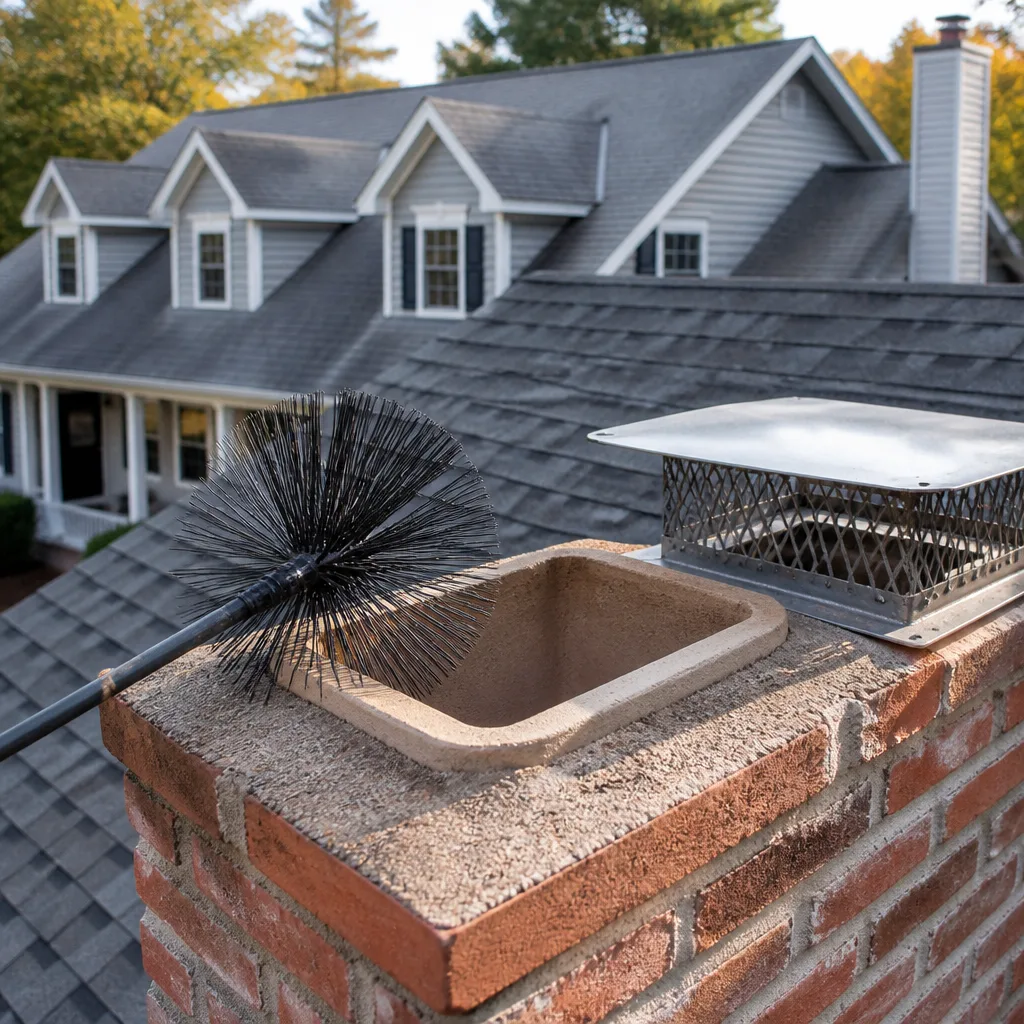 Sweep & inspection
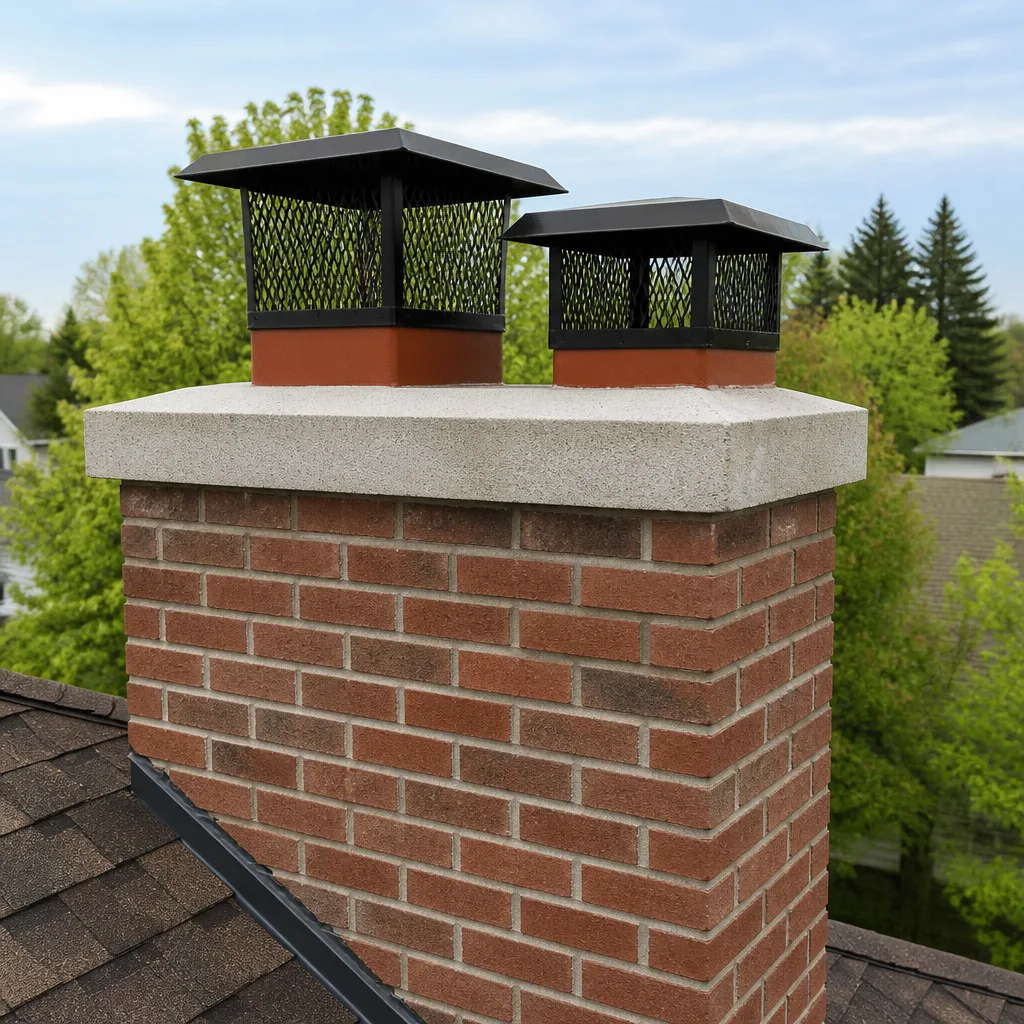 Caps & crowns
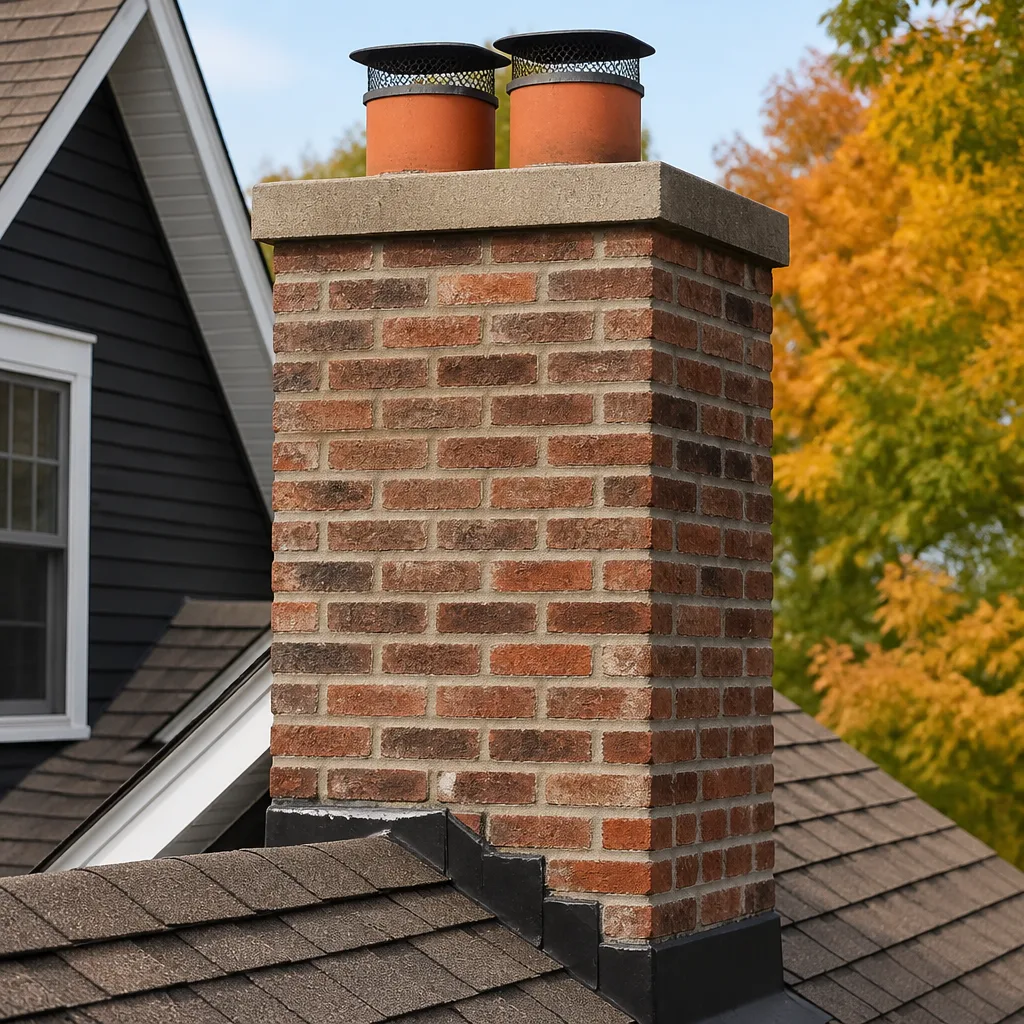 Masonry repair
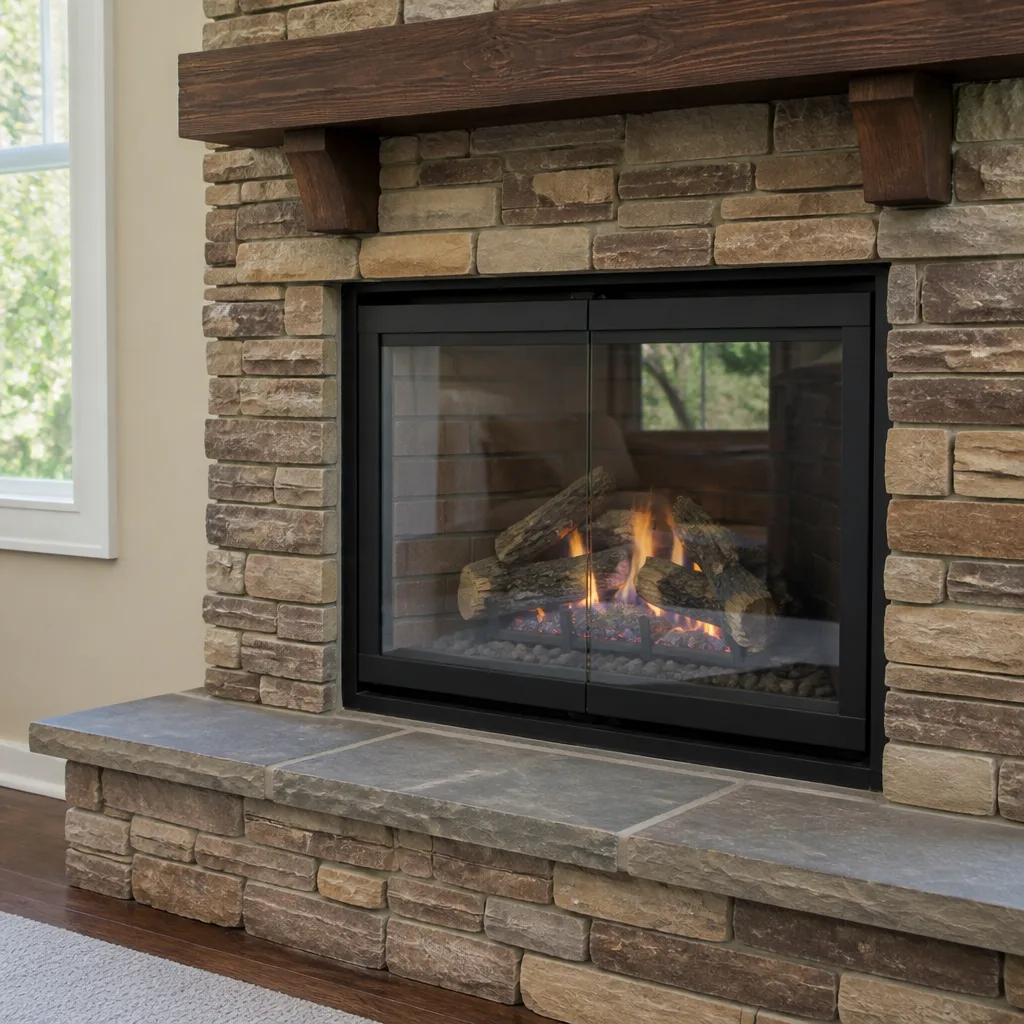 Gas fireplace service
Level 1 sweep and inspection to the NFPA 211 annual standard - flue, crown, cap, and flashing checked and photographed
Chimney sweep logs do not sweep chimneys. They loosen some creosote - which then falls where a brush and vacuum still have to collect it.
Olympia Chimney Flue Liner Replacement: The Ventura Owner’s Guide
We stock and install Olympia Chimney-compatible flue liner replacements throughout Ventura, and a full liner swap typically runs $1,900 to $3,400 installed depending on flue height, accessibility, and whether your existing liner pulled out clean or left damage behind. Most Ventura homeowners discover the problem one of two ways: a chimney sweep flags it during an inspection with camera proof, or they notice flaky rust-colored bits falling into the firebox after a rainy stretch. Either way, the liner is the one part between fire and framing, and once it starts to go, waiting usually turns a straightforward pull-and-relining job into a masonry conversation.
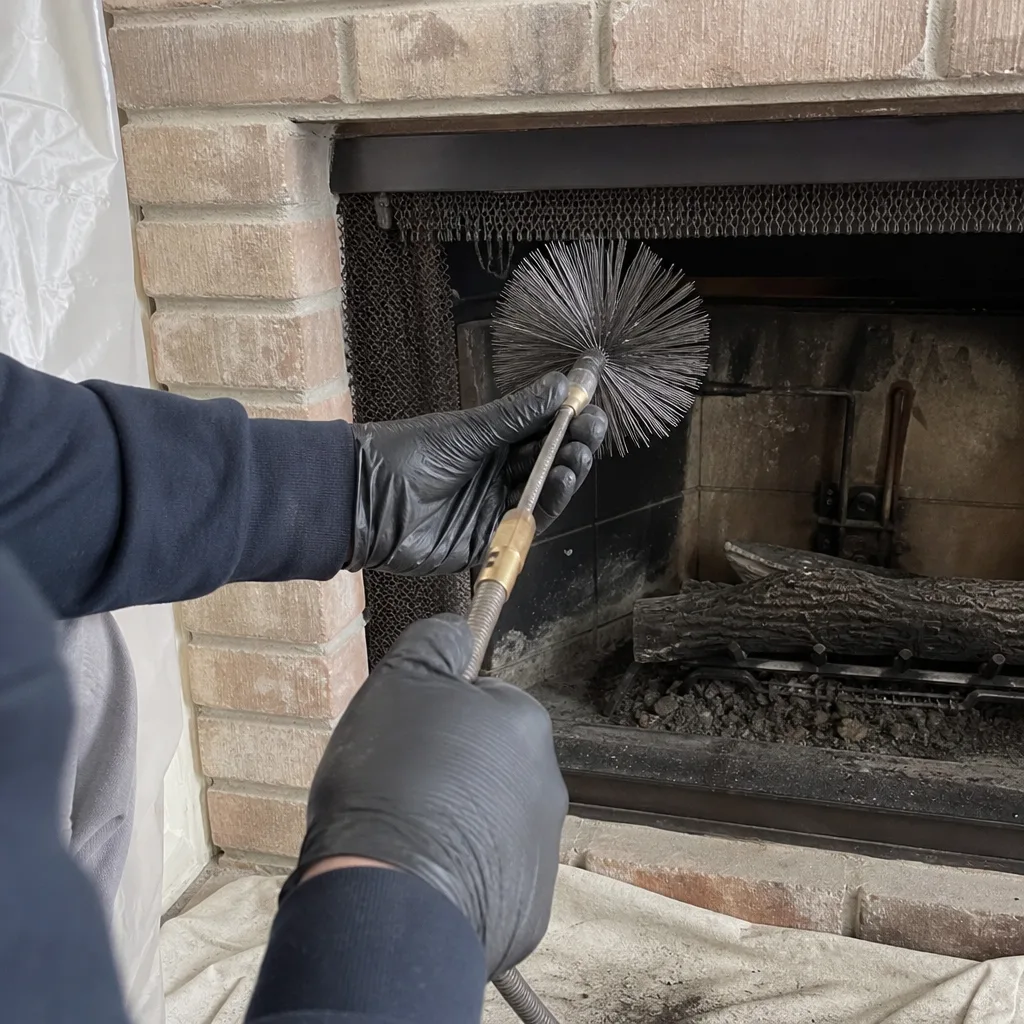
Which Olympia Chimney Models This Applies To
Olympia Chimney makes stainless steel rigid liners, flexible liners, and a line of chimney caps and connectors that show up most often in Ventura homes built from the mid-1980s through the early 2000s. The liner itself is rarely labeled in a way you can read from the firebox, so identifying what you have usually means one of three things: the inspection camera shows the stamped wall or coupling markings, there’s an original install tag tucked near the damper or in the chase, or we measure the inner diameter directly, which for Olympia systems in this area runs most commonly 6-inch round, with 7-inch and 8-inch on larger masonry fireplaces.
One Ventura-specific gotcha we run into often: coastal air accelerates rust on the outer wrap of flexible liners long before the inner wall shows any visible wear. That means a liner that looks serviceable from a quick firebox glance can be paper-thin at the top two feet, where salt fog and chimney condensation do their worst. If your liner is an Olympia rigid section cracking at a seam rather than a flex run, the math changes: rigid sections can sometimes be isolated and replaced instead of doing the full run, but only if the rest of the liner passes a camera inspection and the manufacturer’s clearances are still met.
On OEM versus aftermarket: we install both. Olympia Chimney’s own replacement liners are what we order when we’re matching an existing Olympia chase cover, cap, or connector set, because their OD-to-ID tolerances are predictable and the connection hardware matches without adapters. There are quality aftermarket flexible liners we also trust, including DuraFlex and Gelco, both of which we stock on the truck. The honest answer: for a straight 6-inch flex run in a typical Ventura single-story flue, a UL-listed aftermarket liner performs identically to OEM for less money. Where OEM matters is fitment at the top plate and any custom connector transitions. Ruben Castellano will tell you which makes sense for your specific flue before anyone touches the roof, and the written price you get reflects that choice, not whatever’s easiest to carry.
Styles & brands we work with
Signs Your Olympia Chimney Flue Liner Replacement Is Failing
- Rust flakes or scale in the firebox. This is the classic coastal Ventura failure. The outer wrap of a flex liner corrodes from condensation and salt air, and little reddish-brown flakes fall down the flue. It means the protective layer is gone and the liner wall itself has started to thin.
- Water staining on the ceiling or walls near the chimney chase. A pinhole or seam split in the liner lets flue gases and moisture escape into the chase cavity instead of going up and out. You’ll see staining long before you smell anything.
- A sharp, acrid smell when the fireplace is running, even at steady burn. That’s incomplete draft or gases back-pressuring through a compromised liner. A healthy liner pulls consistently. A breached one lets cooled gases stall and drift back into the room.
- Cracked or spalling brick on the exterior chimney, especially near the top. When the liner fails in an older masonry chimney, heat and moisture hit the brick directly. In Ventura’s marine air, that moisture cycles in and out of the masonry all winter, and the brick face starts to pop.
- Visible gap between the liner top and the chimney cap or crown. We see this on a lot of Ventura chimneys that still have the original Olympia cap installed. The cap was sized for the original liner, someone swapped in a different diameter at some point, and now there’s an open annular space pulling air backward into the flue.
See the difference
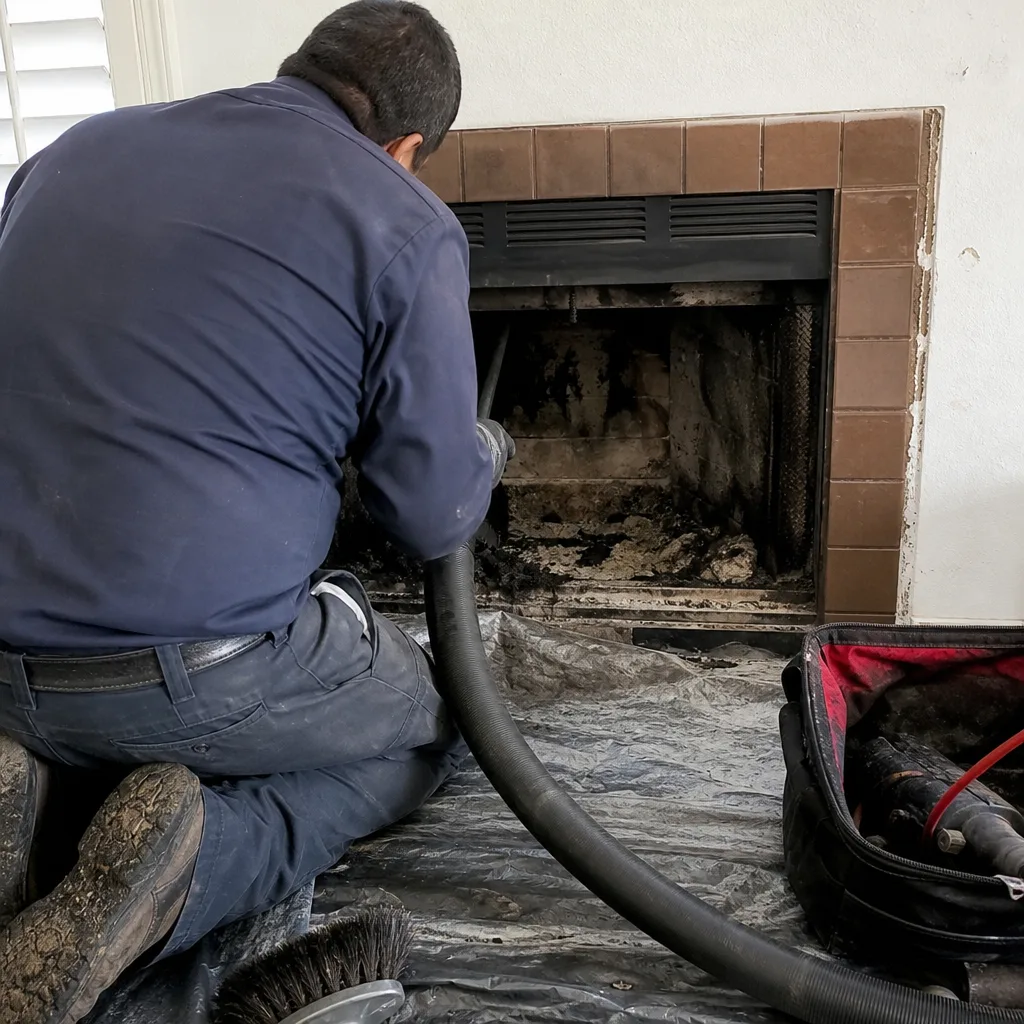 Before
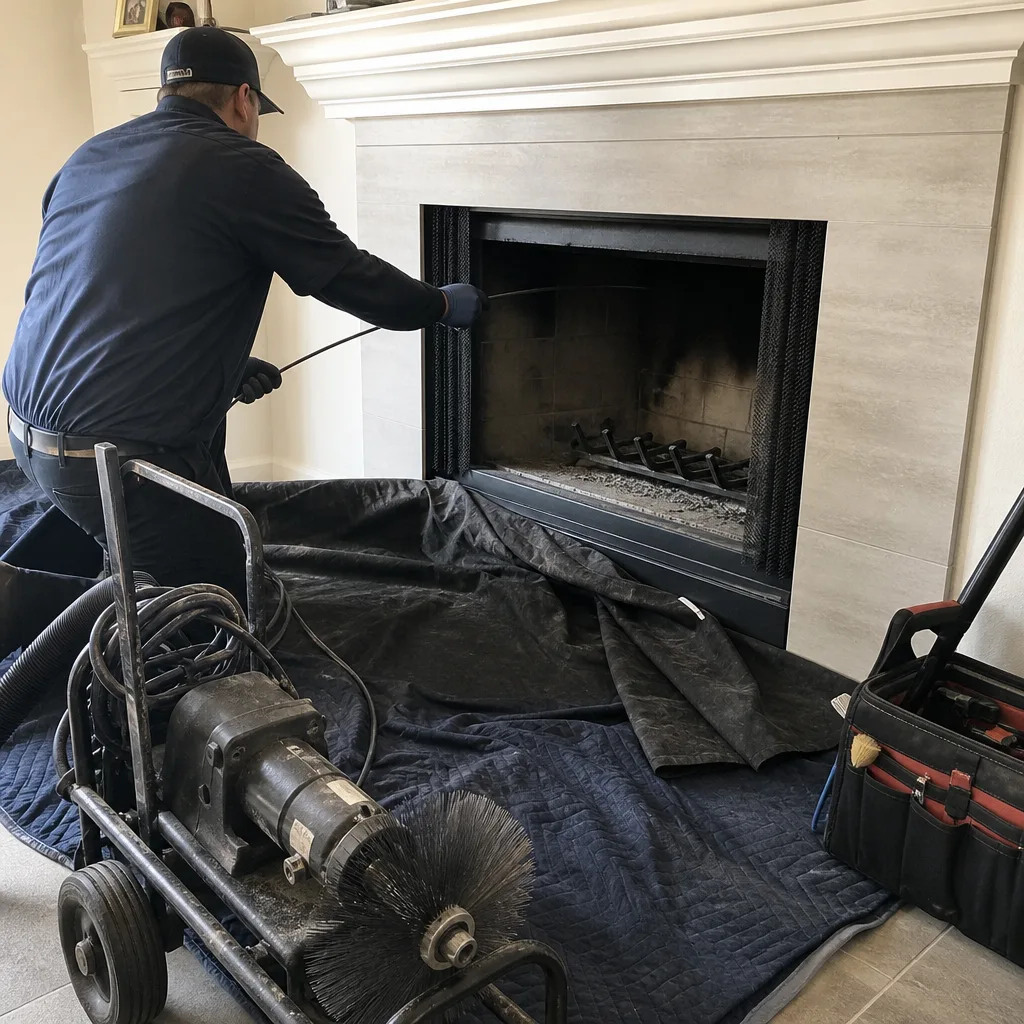 After
After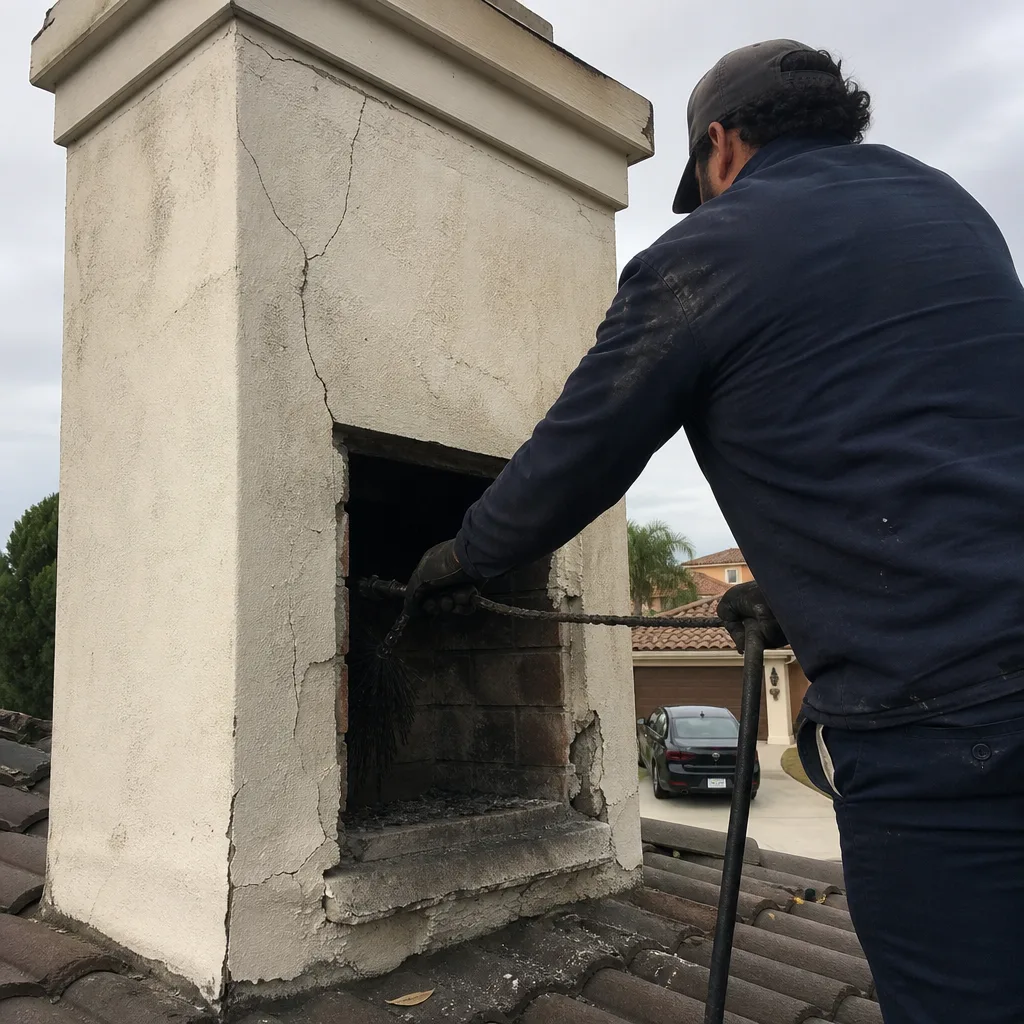 Before
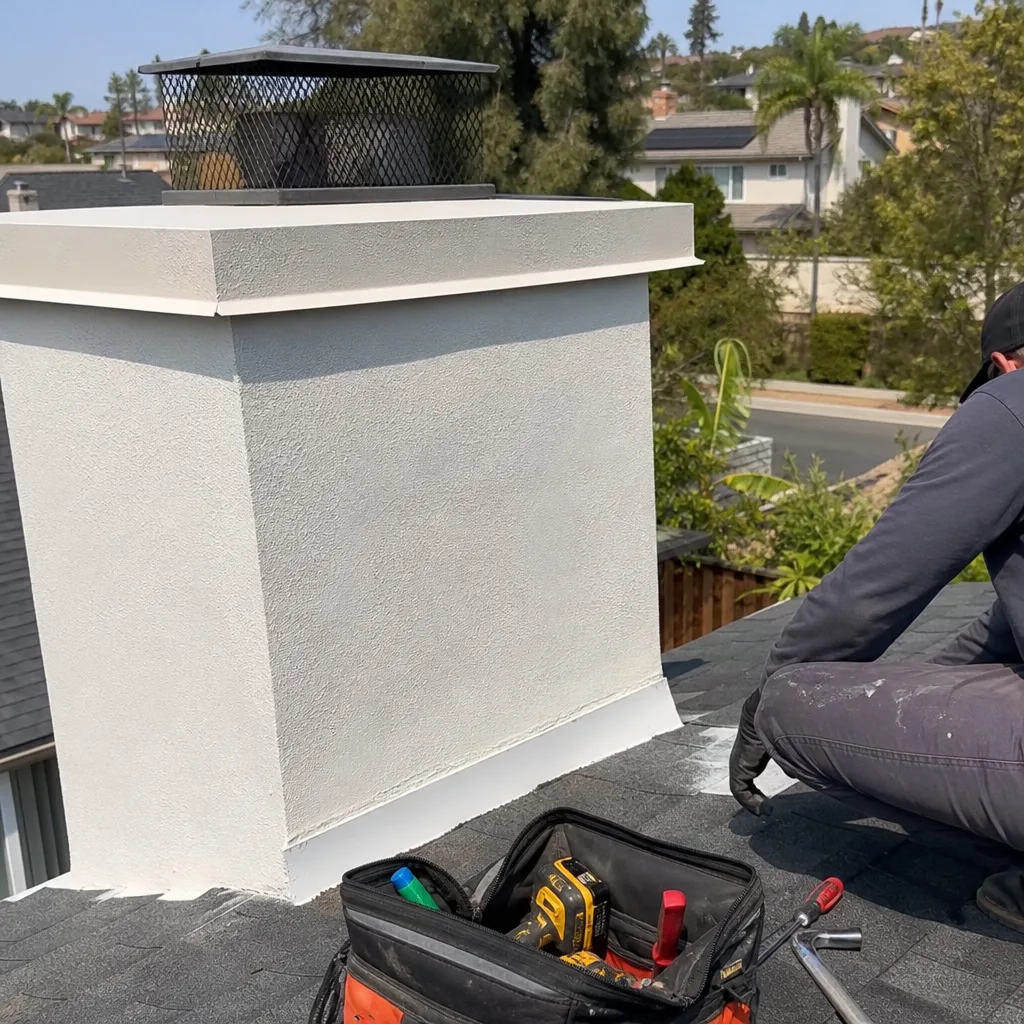 After
After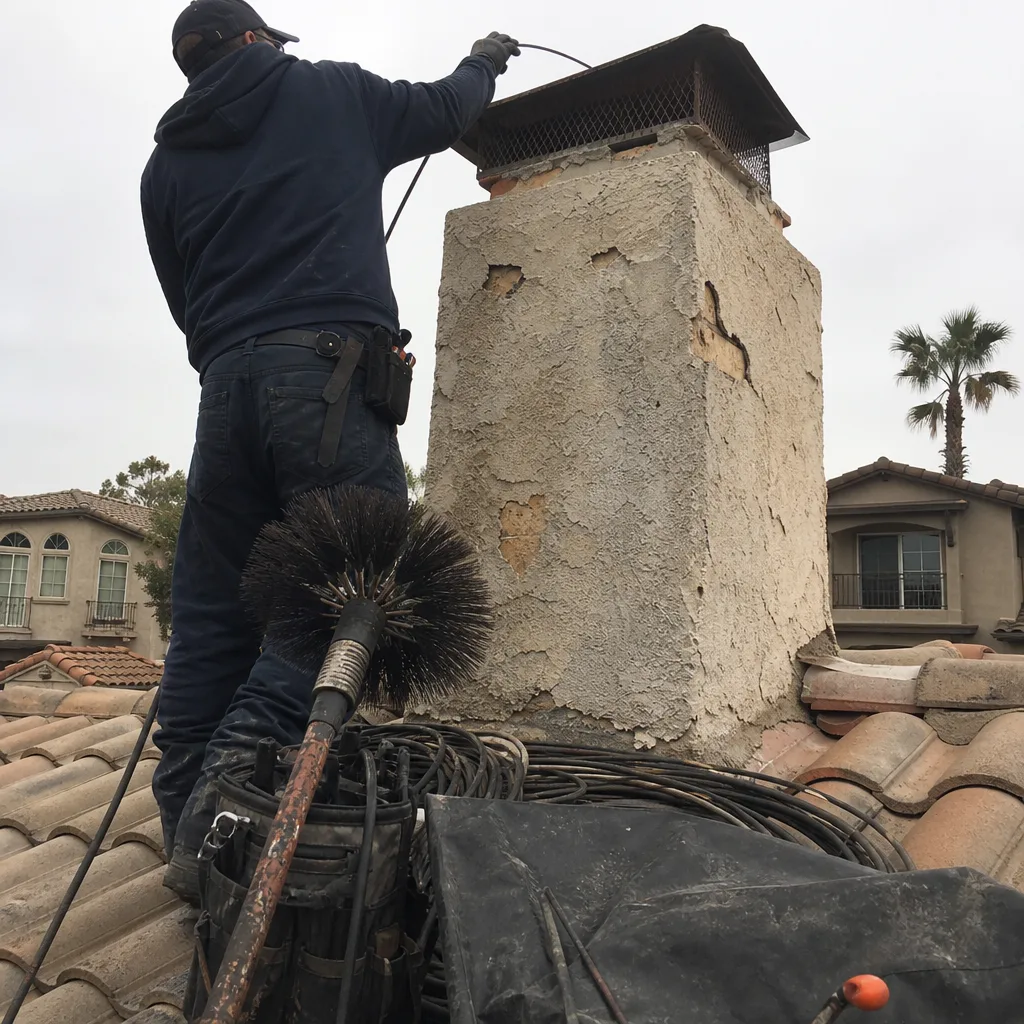 Before
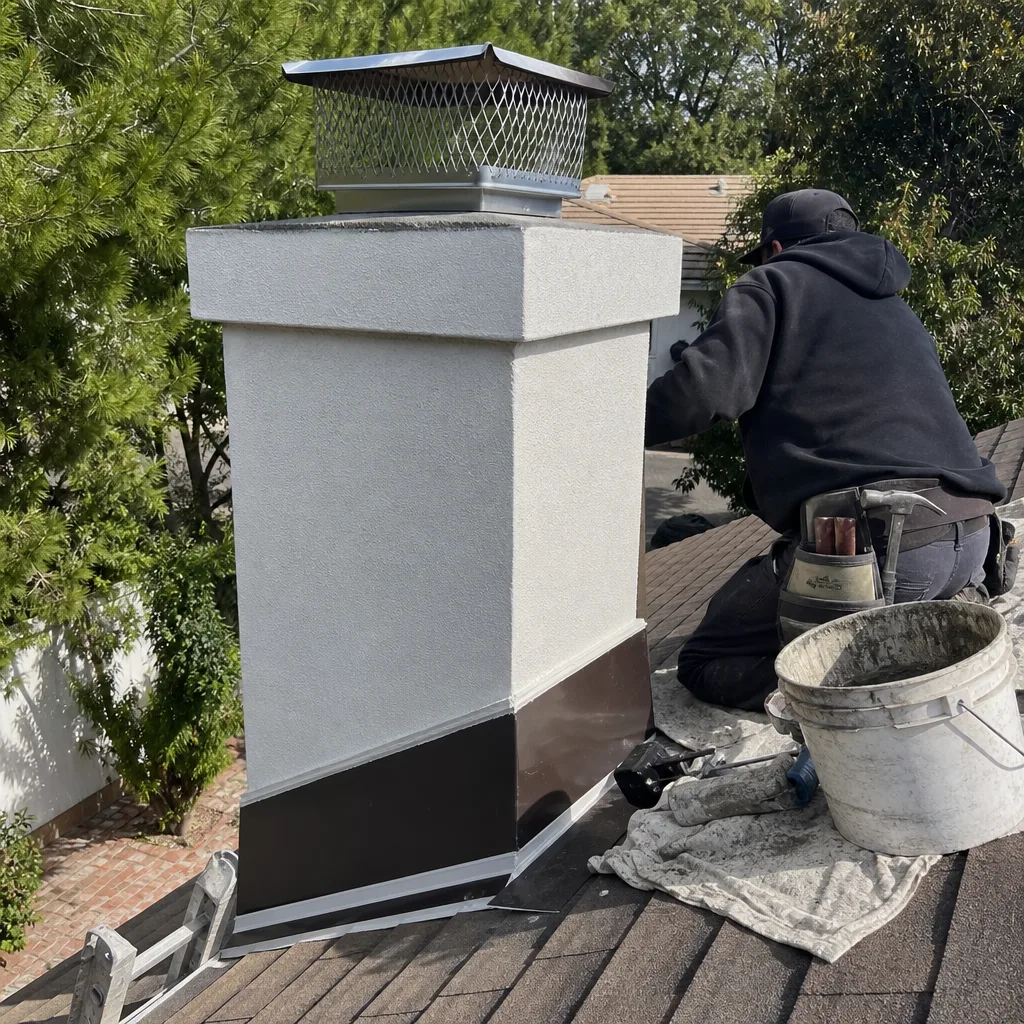 After
AfterReplacement Cost & What’s Included
For a typical Ventura single-story chimney, expect $1,900 to $2,600 for a standard 6-inch flex liner replacement with top plate, cap, and connection hardware included. A two-story run adds $400 to $800 in ladder, staging, and safety time. If your liner is an older Olympia rigid system with custom connectors or an undersized chase opening, you’re at the upper end: $2,800 to $3,400, and you’ll know exactly why before any work starts.
What that price includes, every time: the liner itself, the top plate and storm collar, the cap, a new connector at the appliance, removal and disposal of the old liner, a camera inspection before and after so you see the flue with your own eyes, and the written guarantee on the work. If the liner fails within the warranty period, the second visit is free, plain and simple. You’ll get the written price before the job starts. There are no surprise line items for “miscellaneous roof time” or “unforeseen access” after the fact. If access looks tight, we say so in the estimate.
| Liner Type | Typical Installed Range (Ventura) | Notes |
|---|---|---|
| 6-inch stainless flex, single story | $1,900 – $2,600 | Includes cap, top plate, connector, disposal |
| 6-inch stainless flex, two story | $2,300 – $3,000 | Added staging and roof time |
| OEM Olympia match with custom transitions | $2,800 – $3,400 | When fitment or chase size demands OEM |
| Partial rigid section replacement | $600 – $1,200 | Only when camera inspection confirms isolated failure |
DIY or Call Us?
A flue liner replacement is not a weekend ladder project. You’re working at height, often on a raised roof pitch, and the liner itself is a full-length section of stainless steel that has to drop down the flue without snagging, twisting, or binding. It’s the one component where a half-installed or poorly connected liner creates a genuine carbon monoxide risk, because a gap at the connector joint sends flue gas into the chase instead of up and out. That’s not scare talk. It’s the reason every liner job we do includes a post-install camera check and a draft test before we call it done.
What you can safely do yourself is basic awareness. Check the firebox for rust flakes. Look for staining around the chimney chase. If you smell something sharp when the fireplace runs, don’t run it again until it’s inspected. Tell me what you’re seeing and I’ll tell you what it actually means. That call costs you nothing, and if we don’t think you need a new liner, Ruben will say so. Call (559) 282-2695 and describe what you’re looking at. If a picture helps, we’ll tell you where to point the camera.
FAQs
In Ventura’s coastal climate, a stainless flex liner typically lasts 15 to 20 years, and we often see the first signs of outer-wrap corrosion at 12 to 15 years on homes within a mile or two of the ocean. A liner in a home that sits further inland and runs the fireplace only occasionally can go 25 years or more. The camera doesn’t guess. If the wall thickness is still good, we tell you that and send you a copy of the inspection footage.
Sometimes, but only in specific spots. A small isolated pinhole low in the run can occasionally be addressed with HeatShield resurfacing, which we install, but once the liner has multiple breaches or seam separation, patching becomes a short-term bandage on a component whose job is to keep fire and gas totally contained. If a repair is viable, we’ll show you the camera evidence and price it. If it isn’t, we’ll say so and show you why. For a firm answer on your liner, call us at (559) 282-2695.
Most Ventura single-story liner replacements are done in four to six hours, including removal of the old liner, the full install, and the post-install camera verification. Two-story jobs, tight chases, or difficult roof access can stretch it to a full day. We’ll give you a time window when we confirm your appointment, and the technician arriving will be the same person whose name and photo you received beforehand, background-checked and identity-verified, ID badge on and visible at the door.
We carry 6-inch stainless flex liner and the matching top plates, caps, and connectors on the truck, which covers most Ventura homes. OEM Olympia Chimney liners with custom transitions are ordered for the specific job and typically arrive in three to five business days. We also keep HeatShield, Gelco, and DuraFlex systems in regular rotation, so you’re not waiting on a single brand’s supply chain. Call (559) 282-2695 and we’ll confirm what’s in the truck for your appointment.
No. We’re an independent chimney service company based in Ventura, and we install and service Olympia Chimney products alongside other professional trade brands including DuraFlex, HeatShield, and Gelco. We’re not an Olympia Chimney dealer or warranty center, but we work with their products daily and can install OEM or quality equivalent parts depending on what your flue actually needs.
Written by Ruben Castellano, Owner, Alcott Chimney Ventura at Alcott Chimney Ventura, serving Ventura and nearby areas.