
Last updated October 15, 2026
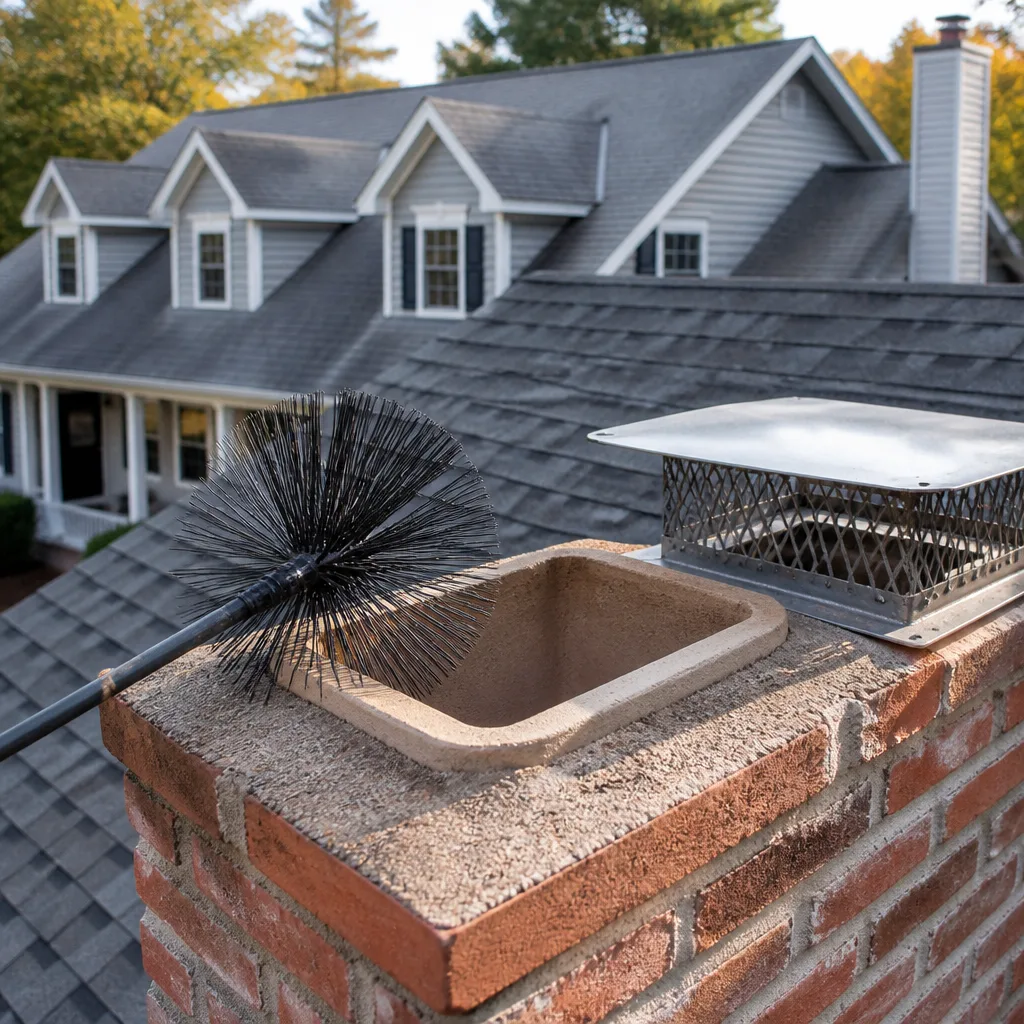 Sweep & inspection
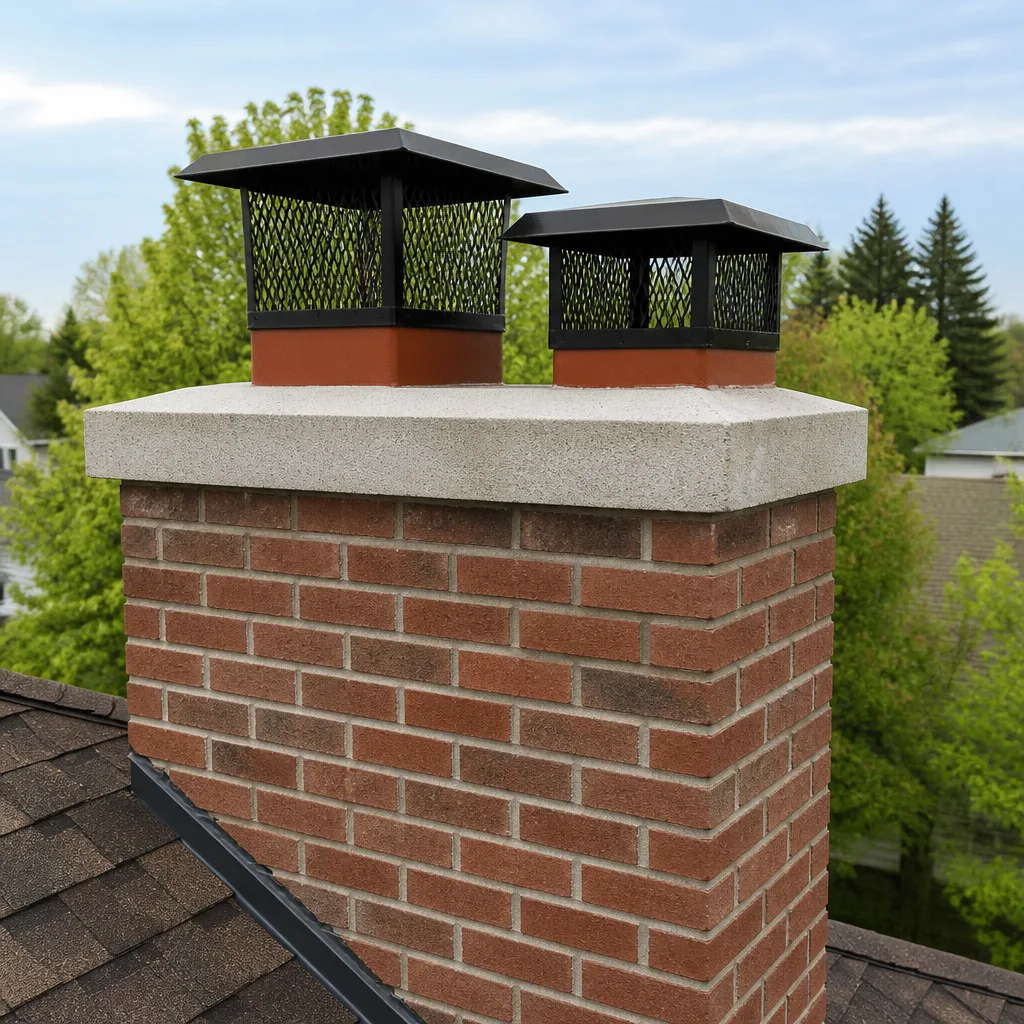 Caps & crowns
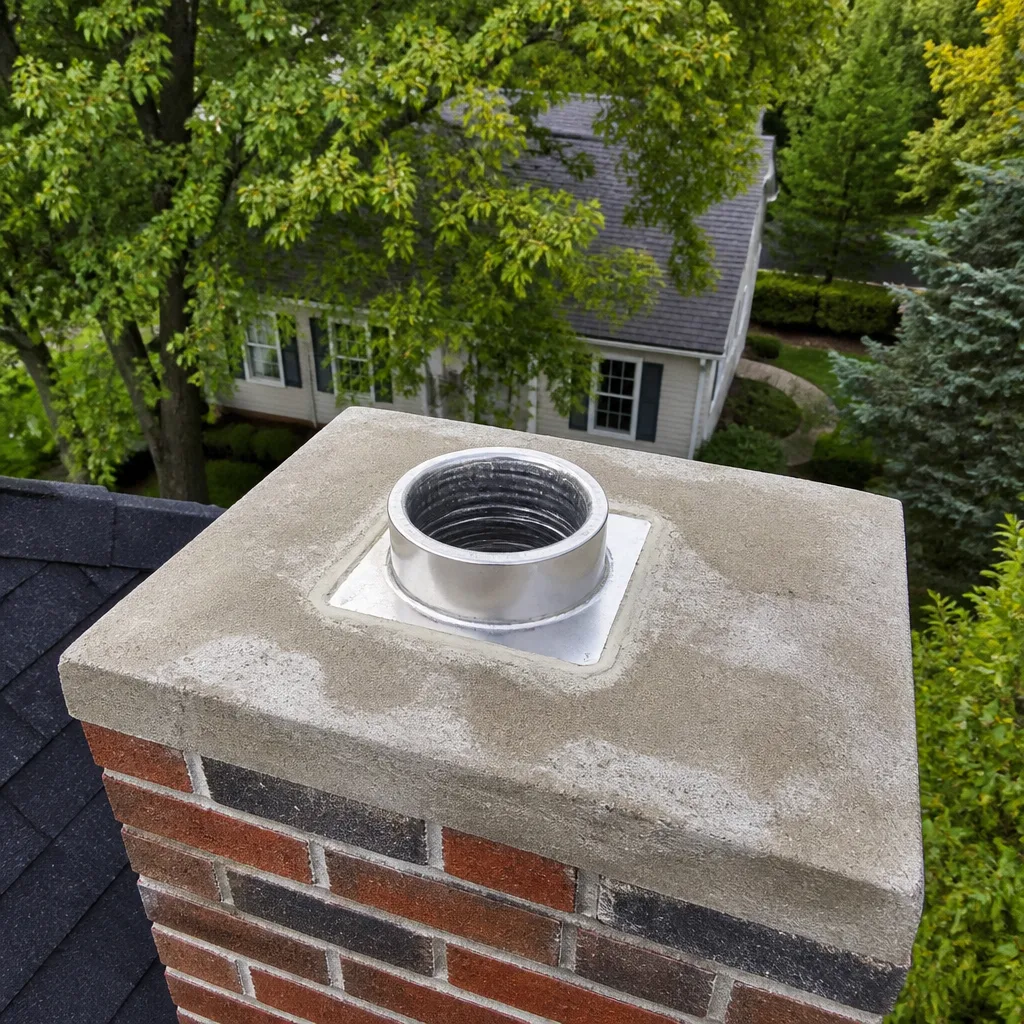 Flue relining
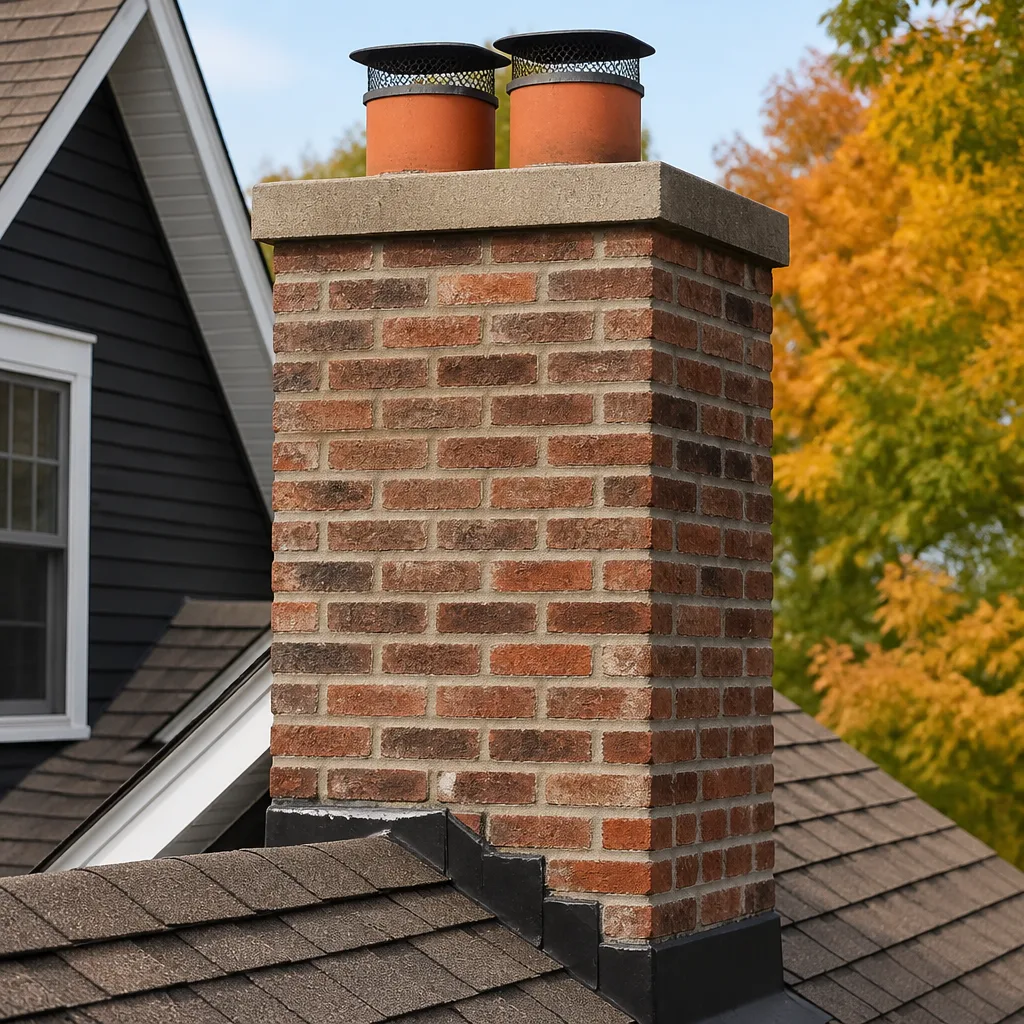 Masonry repair
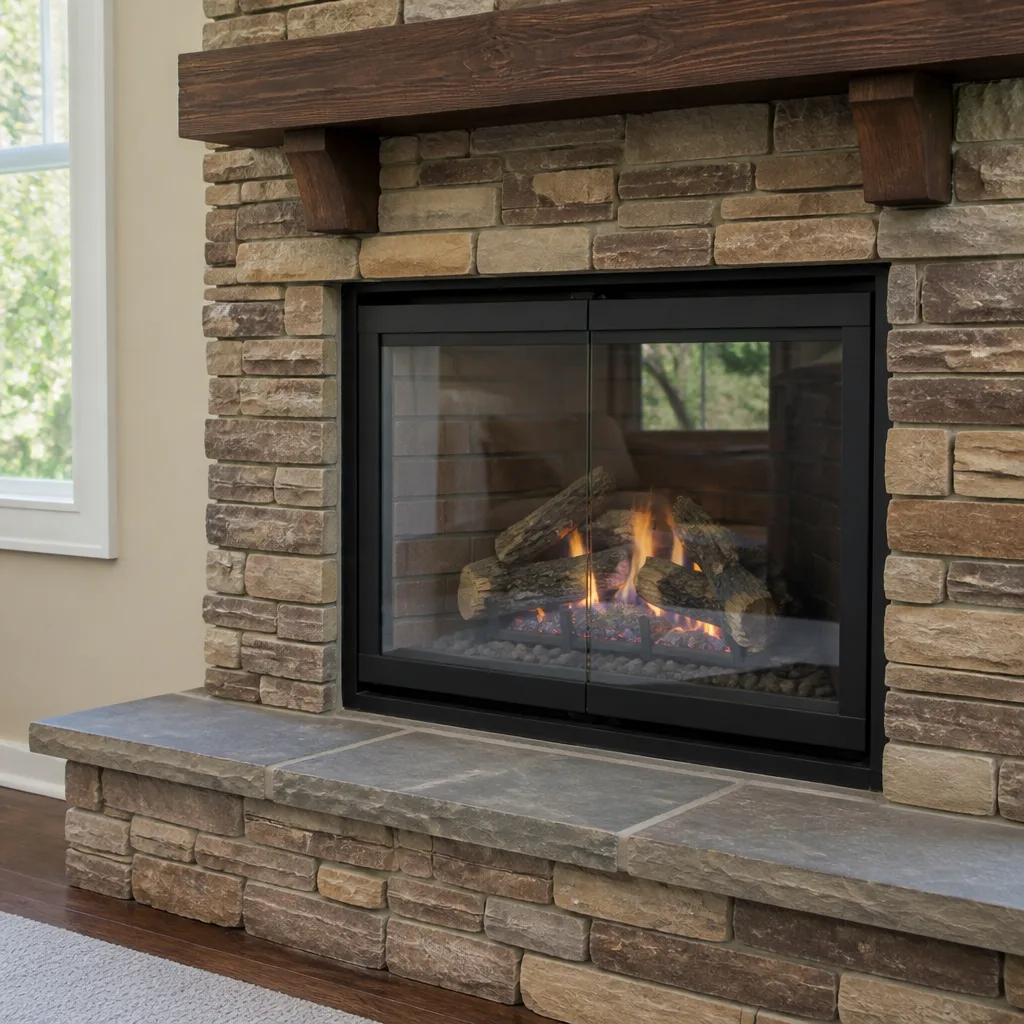 Gas fireplace service
Level 1 sweep and inspection to the NFPA 211 annual standard - flue, crown, cap, and flashing checked and photographed
Chimney sweep logs do not sweep chimneys. They loosen some creosote - which then falls where a brush and vacuum still have to collect it.
Chimney Sweep Maintenance Checklist for Ventura Homeowners
Most Ventura homeowners check their smoke detectors twice a year but never once look up their chimney. That’s a strange gap when you consider what’s actually up there. The most-missed item on almost every homeowner self-inspection isn’t creosote buildup or a cracked crown. It’s the smoke shelf, a horizontal ledge inside the firebox that collects debris, dead birds, and moisture year-round. It’s completely invisible unless you know to crouch and look up. This guide walks through what to check, when to check it, and which parts of the job you should never attempt yourself. It’s written specifically for Ventura, where the marine layer shapes chimney maintenance in ways a generic national checklist will never address.
Styles & brands we work with
Quick Answer
A chimney maintenance checklist for Ventura homeowners should follow the local calendar: inspect the firebox and smoke shelf in early fall before the first burn, run a visual check of the chimney cap and crown after every Santa Ana wind event, schedule a professional sweep and camera inspection annually, and document everything with phone photos so you can spot changes year over year. Most wood-burning chimneys in Ventura need a professional cleaning every 1 to 2 years depending on how often you burn and what kind of wood you use.
Table of Contents
- Why Ventura’s Climate Changes the Checklist
- The Month-by-Month Ventura Maintenance Checklist
- Know Your Chimney: What Each Component Does and What Failure Looks Like
- What You Can Check Yourself vs. What Needs a Camera
- How to Document Your Chimney’s Condition Year Over Year
- Ventura Wood-Burning Rules and What a Failed Damper Means
- Chimney Fire and Carbon Monoxide: The Real Risks in Ventura Homes
- Common Mistakes to Avoid
- When to Call a Professional
- Frequently Asked Questions
- The Bottom Line
Why Ventura’s Climate Changes the Checklist
Ventura sits in a strange weather pocket. Most of the year, we get marine layer mornings that burn off by noon, temperatures that hover in the mid-60s, and enough coastal moisture to keep everything slightly damp. Then, once or twice a winter, a Santa Ana wind event rips through and dries everything out in 48 hours. That cycle, damp for months, then sudden dry wind, does specific things to chimneys.
The marine layer keeps creosote from fully hardening. In colder, drier climates, creosote forms brittle flakes that a sweep can knock loose with relative ease. Here, it tends to stay tacky and tar-like longer, especially in chimneys that see infrequent use. That tacky creosote grabs onto salt air particles, dust, and whatever else blows in from the Pacific. The result is a stickier, harder-to-clean residue than what homeowners in, say, Bakersfield or Palmdale deal with.
Salt air is the other wildcard. Homes closer to the water in neighborhoods like Pierpont, Midtown, and the Keys deal with salt spray that accelerates rust on metal components like rain caps, dampers, and chimney chase tops. A galvanized cap that would last 15 years in Ojai might look rough after 8 years a block from the beach. If you’re within a mile of the ocean, your visual checks matter more, not less.
The Santa Ana cycle creates its own set of problems. High winds can blow debris and small branches onto your roof and into an uncapped or damaged chimney. More importantly, the wind-driven dry air dehydrates masonry. Hairline cracks in a chimney crown that looked stable in August can open up visibly after a January Santa Ana. That’s why the post-Santa-Ana spring check matters, which we’ll get to below.
The Month-by-Month Ventura Maintenance Checklist
Most national chimney checklists tell you to inspect in the fall and call it done. That works in places where winter hits like a hammer and stays. In Ventura, our chimney season is stretched out and uneven. You might burn three nights in December, not at all in January, then fire up the fireplace for a damp Super Bowl weekend in February. Here’s a month-by-month rhythm that actually fits how Ventura homes use their fireplaces.
September: Pre-Burn Season Prep
- Shine a flashlight up into the firebox and look at the damper. Open it fully. It should move smoothly without grinding or sticking. A damper that won’t fully open will push smoke back into your living room, not up the flue.
- Crouch low and look up at the smoke shelf, the horizontal ledge just above the damper. Look for debris, nests, or bird droppings. This is where dead birds end up in homes without a properly fitted cap.
- Check the firebox walls for cracked firebrick or missing mortar. Small cracks are cosmetic. Loose bricks are not.
- Run your hand along the chimney exterior if you can reach it safely from the ground. Look for crumbling mortar joints, known in the trade as spalling, or white staining called efflorescence, which signals water penetration.
October: First Burn Test
Light a small fire with dry wood and watch what the smoke does. It should draw up immediately. If smoke hangs in the room or curls back out into the living space, close the damper, open a window slightly to neutralize any backdraft, and stop using the fireplace until someone checks it. October is the single busiest month for chimney sweep service in Ventura, and it’s not a coincidence. Everyone remembers the fireplace exists when the first foggy evening hits.
November through February: In-Use Monitoring
- Check the smoke color each time you burn. Clean, hot-burning wood produces almost invisible smoke. Dark, heavy smoke means the wood is wet or the flue is obstructed.
- Listen for unusual sounds. A chimney that whistles when the wind blows may have a damper that’s partially open or a cap that’s coming loose.
- Notice any new smoky smell in rooms far from the fireplace. That can indicate a chimney leak rather than a fireplace problem.
- If you burn more than three times a week during these months, mark your calendar for a mid-season check in January.
March: Post-Santa-Ana Inspection
After the last significant wind event of the season, grab binoculars and walk around your property. Look at the chimney cap. Is it still sitting level? Look at the crown, the concrete or mortar surface that seals the top of the chimney chase. Santa Anas are hard on crowns. Wind-driven grit abrades the surface, and if a small crack opened during a dry February, this is when you’ll spot it. Also check for any black streaks on the chimney exterior, which can indicate that creosote has built up enough to drip.
April through June: Off-Season Repairs and Upgrades
This is the cheapest time to get chimney work done in Ventura. The fall rush is over, the rainy season has ended, and technicians have open calendars. If your March inspection turned up a cracked crown, a rusted cap, or a damper that’s acting up, schedule repairs now rather than waiting until October. You’ll get more scheduling flexibility, and you’ll head into the next burn season without a backlog of problems. Spring is also the best time for a chimney inspection in Ventura that includes a camera scan, because any moisture issues from the winter will be visible before summer heat bakes them into less obvious patterns.
July and August: Lowest-Priority Months, But Don’t Skip the Photo
Your chimney is doing very little in July and August, which makes this the perfect time to take baseline photos. The light is good, the chimney is dry, and whatever condition it’s in now is its resting state. Photograph the exterior from three angles, the firebox, the damper, and the smoke shelf. These photos become your comparison set for next year. More on this in the documentation section below.
Know Your Chimney: What Each Component Does and What Failure Looks Like
Most homeowners can’t name the parts of their chimney beyond “the chimney.” That’s fine, you don’t need a masonry degree. But knowing these six components, and what failure looks like for each, turns you from someone who hopes everything is fine into someone who can spot a problem before it becomes a repair bill.
The Smoke Shelf
The smoke shelf is the horizontal ledge inside the firebox, just above the damper throat. Its job is to catch falling debris and rain that makes it past the cap, and to help redirect smoke up into the flue. In Ventura chimneys that see occasional use, the smoke shelf accumulates a surprising amount of material: soot, creosote flakes, dead insects, bird nesting material, and if the cap is damaged, actual standing water. Failure looks like a shelf that’s covered in several inches of debris, or one that shows visible water staining. A clogged smoke shelf restricts airflow and contributes to smoky startups. This is the component we crouch to inspect on nearly every first visit, because it’s where we most often find the thing no one knew was there.
The Damper Throat
The damper throat is the opening above the firebox that the damper plate seals when closed. An open damper is a hole from your living room to the sky. A closed damper that doesn’t seat properly is a smaller but still significant hole. In Ventura, a failed damper has consequences beyond heat loss. Our damp marine air travels down an open flue and into the firebox, where it accelerates rust on the damper itself and contributes to musty smells in the firebox. A damper that’s rusted, warped, or missing its handle needs replacement. The telltale sign is a low-smoke smell in the room even when you haven’t burned in weeks.
The Flue Tile
Flue tiles are the clay or ceramic liners that run the length of the chimney and contain the smoke and heat. In older Ventura homes, particularly those built before 1980 in neighborhoods like Midtown and the Avenues, flue tiles are often original. A cracked flue tile is a serious problem because it lets heat, sparks, and toxic gases reach the wood framing around the chimney. Failure looks like vertical cracks, missing tile sections, or a white, chalky surface called spalling. The only way to see flue tile damage is with a camera scan, which is why a chimney inspection with video documentation is the standard we recommend every year for homes built before 1990.
The Rain Cap
The rain cap is the metal cover at the top of the flue. It keeps rain, birds, squirrels, and debris out while letting smoke out. In Ventura’s coastal air, rain caps rust faster than homeowners expect. A cap that’s rusted through or blown off leaves your flue wide open to everything. Failure looks like visible rust, a cap that’s no longer sitting flat, or a cap with bent or missing mesh. If you can see daylight through rust holes in the cap, it needs replacement. This is also the component most likely to be damaged by Santa Ana wind-blown debris.
The Crown
The chimney crown is the concrete or mortar surface at the very top of the chimney that seals the masonry. Its job is to shed water away from the flue and the chimney structure. A crown that’s cracked lets water seep into the masonry, and in Ventura’s damp climate, that water sits for months. Freeze-thaw cycles are rare here, but moisture expansion and salt crystallization do their own damage. Failure looks like visible cracks, a crown that’s no longer level, or chunks of crown material missing at the edges. Crown repair or replacement is one of the most common fall bookings we see in Ventura.
The Firebox
The firebox is the chamber where the fire actually burns. Its walls are made of firebrick and refractory mortar, both designed to withstand direct flame. In a working fireplace, the firebox takes the most abuse. Cracked firebrick, crumbling mortar joints, or a firebox floor that has dropped all signal serious structural problems. Small hairline cracks in firebrick are cosmetic and normal. Loose bricks, gaps wider than a quarter inch, or mortar that crumbles when you poke it are not. Those conditions can allow heat to reach combustible materials behind the firebox.
What You Can Check Yourself vs. What Needs a Camera
Most of the visual checklist on this page is safe for a homeowner with a flashlight and a little patience. But there’s a clear line between what you can see from the ground or the firebox floor and what requires a technician with professional equipment. Here’s where that line sits.
Safe to Check Yourself
- Firebox walls and floor with a flashlight, looking for loose brick or crumbling mortar
- Damper operation, by opening and closing it and listening for grinding or sticking
- The smoke shelf, by crouching at the firebox opening and looking up with a flashlight
- The chimney exterior from the ground with binoculars, looking at the cap, crown, and mortar joints
- Smoke behavior during a test burn, watching for backdraft or slow draw
Requires a Professional Camera or Equipment
- Flue tile condition, which can only be assessed with a video scan up the flue
- Creosote thickness inside the flue, which requires a chimney sweep’s brush-and-rod system or rotary tool
- The full condition of the smoke shelf, because debris sits beyond what a flashlight from the firebox floor can illuminate
- Whether a crack in the crown extends into the flue or is just surface-level
- Whether water staining in the firebox is from a flue leak or a crown leak, which requires a water test
We’ve been into enough Ventura chimneys to know that what a homeowner sees and what a camera sees are often two different pictures. That’s not a knock on homeowners. It’s a statement about the physics of chimney inspection. A flue tile crack 12 feet up, a damper that’s rusted on the side you can’t see, a crown that’s failed underneath the surface, none of these show up from the ground. And in our experience, the problems that show up at 11 p.m. on a cold night are always the ones no one could see without a camera.
How to Document Your Chimney’s Condition Year Over Year
The smartest chimney maintenance habit we see is also the simplest: photograph everything, every year, from the same angles. Here’s the method that works.
- Pick a set date each year. For Ventura homeowners, late July or early August is ideal. The light is consistent, the chimney is dry, and it’s far enough from burn season that you’re not photographing fresh soot.
- Photograph the chimney exterior from three angles: street level, from the side yard if accessible, and from directly across the street if you can get a clear view. Use the same angles every year.
- Photograph the firebox walls, the floor, and the damper from the same crouched position each time. Put your phone on wide angle and get close enough to see mortar joint detail.
- Take one photo aimed up from the firebox floor toward the smoke shelf and damper throat. This is the hardest shot to get right, but it’s the one that documents what’s accumulating above you.
- Create a folder on your phone or computer called “Chimney” with subfolders by year. Put all the photos there.
- Next year, before you take new photos, pull up last year’s and compare them side by side. Look for new cracks, new spalling, new rust, changes in the smoke shelf debris level, and any movement in the cap or crown.
This simple routine catches slow-moving problems that a single inspection will always miss. A crack that grows from hairline to quarter-inch over two years is a clearer signal than the same crack appearing at full size during an annual sweep. You’re not looking for damage. You’re looking for change. That’s the distinction. And when you do schedule a professional chimney sweep, sharing those photos with us makes the visit more productive for everyone.
Ventura Wood-Burning Rules and What a Failed Damper Means
Ventura County has specific rules about residential wood burning, and they vary depending on where exactly you live and what the air quality district is doing on any given week. Here’s what matters for your chimney maintenance checklist.
First, Ventura County Air Pollution Control District issues no-burn alerts during the winter months when air quality deteriorates. On those days, wood burning is prohibited unless it’s your only source of heat. These alerts are announced publicly, and they’re more common during cold snaps when a high-pressure system traps pollutants over the coastal plain. You can sign up for alerts directly through the District, and we recommend doing so if you burn regularly.
Second, if your home has a wood-burning fireplace that’s not EPA-certified, you’re required to replace it or convert it to gas if you sell the home or do a significant remodel that triggers a permit. This doesn’t affect your day-to-day burning, but it does mean that keeping the wood-burning system in good working order preserves your options. A chimney with a failed damper, a cracked flue tile, or a missing cap is a chimney that’s headed toward a much more expensive repair or replacement down the line.
Finally, and most relevantly for this checklist, a failed damper has legal implications when no-burn days arrive. A damper that won’t fully close means you can’t reliably shut down the fireplace, which means you’re still burning, or at least still drafting, on days when you shouldn’t be. We see this most often in older Ventura homes where the damper has rusted or warped over decades of marine air exposure. If your damper doesn’t close tightly, the fix is usually straightforward, and it’s worth doing before the winter no-burn season arrives in full force.
Chimney Fire and Carbon Monoxide: The Real Risks in Ventura Homes
Two things genuinely hurt people and property when chimneys get neglected: chimney fires and carbon monoxide leaks. Let’s talk about both without the scare tactics.
Chimney Fires
Creosote, the tar-like buildup that condenses inside the flue when smoke cools too quickly, is highly flammable. When it accumulates to a quarter-inch thickness or more, a hot fire can ignite it. A chimney fire sounds like a freight train in the flue, and it can exceed 2,000 degrees, which is hot enough to crack flue tiles, melt mortar, and ignite the wood framing around the chimney. In Ventura’s climate, creosote buildup happens faster than homeowners expect because the marine layer keeps the chimney cooler, which causes more condensation, which creates more creosote. The fix is regular sweeping. A standard chimney sweep in Ventura typically runs $189 to $329 before any repairs, and it’s the cheapest insurance you’ll ever buy against a five-figure structural fire.
Carbon Monoxide
Carbon monoxide is the odorless, colorless gas produced by incomplete combustion. In a properly drafting chimney, it goes up the flue and out the cap. In a chimney with a blockage, a failed damper, or a cracked flue tile that allows exhaust to leak into wall cavities, carbon monoxide can enter the home. The risk is higher in older Ventura homes where flue tiles may have been compromised for years without anyone noticing. This is also a risk with gas fireplaces, which produce carbon monoxide even though they don’t create creosote. A gas fireplace that’s not venting properly can quietly leak CO into a bedroom or living space. If you burn wood, sweep regularly. If you have a gas unit, have it inspected annually. Both are straightforward safeguards.
One more note on safety, and this one is important: high-temperature chimney work, flue access from the roof, and carbon monoxide testing are not DIY activities. The risk of serious injury from a slip, a fall, or an undetected gas leak is real. We don’t encourage any homeowner to get on a roof to inspect anything. Binoculars from the ground are fine. Ladders and rooftops are for trained professionals with proper equipment.
Common Mistakes to Avoid
- Skipping the spring check because “we barely used the fireplace this year.” In Ventura, chimney damage happens during the Santa Ana season and the damp winter months, not during heavy use. A barely-used fireplace can actually have more creosote buildup than a heavily-used one, because lower burning temperatures create more condensation and more creosote, not less.
- Using the fireplace on no-burn days because it’s foggy and “nobody will notice.” The Ventura County Air Pollution Control District does enforce no-burn rules, and fines are substantial. More importantly, the rules exist because coastal air pollution concentrates during marine-layer inversions. It’s a community health issue, not a bureaucratic one.
- Burning unseasoned wood to save money. Wet wood burns cooler, creates more smoke, builds creosote faster, and delivers less heat. The “savings” on wood cost get spent three times over on more frequent chimney sweeping. Use wood that’s been split and dried for at least 6 to 12 months.
- Ignoring a damper that sticks because “it still mostly works.” A damper that’s sticking this year is a damper that won’t close next year. And a damper that won’t close means you’re heating the outdoors all winter and inviting damp marine air into the firebox all spring. Fix it early.
- Assuming a cracked firebrick means the house is unsafe. Hairline cracks in firebrick are completely normal and do not, by themselves, create a fire hazard. Loose bricks, wide gaps, or crumbling mortar are different. The distinction matters, and a professional can tell you which you’re looking at in about ten minutes.
- Doing roof-level chimney work without experience. Every year, homeowners end up in urgent care from ladder falls that started as “just a quick look.” Binoculars from the ground are fine. Rooftop inspections are for professionals with safety equipment and training.
- Waiting until October to schedule a chimney sweep in Ventura. The fall rush starts around mid-September, and by October, most reputable companies are booked 2 to 3 weeks out. If you schedule in August or early September, you’ll get a wider choice of appointment times and a better overall experience.
When to Call a Professional
Call a professional if your damper won’t fully close, if you see loose firebrick or wide mortar gaps in the firebox, if smoke comes back into the room during a test burn, if you smell smoke in the house when the fireplace hasn’t been used, if your binocular check shows a rusted-through cap or a visibly cracked crown, or if it’s been more than two years since your last professional sweep and camera inspection. Also call if you’ve just moved into an older Ventura home and have no record of when the chimney was last serviced. Alcott Chimney Ventura offers free estimates in Ventura, and we’ve been serving Ventura homeowners since 2002. Every job includes a written price before work begins, and every repair comes with a written guarantee. If a repair fails within the coverage period, the second visit is free. Call (559) 282-2695 and we’ll get you on the schedule.
Frequently Asked Questions
A standard chimney sweep in Ventura typically runs $189 to $329 depending on the height of the chimney, the type of flue, and how much creosote has built up. That price covers the sweep, the inspection, and usually a written report. Repairs are quoted separately, and reputable companies provide a written price before any work begins. Call (559) 282-2695 for an exact quote, estimates are free.
For most Ventura homeowners who burn wood, once a year is the right cadence. If you burn more than three times a week during the winter, you may need a mid-season sweep. If you burn only occasionally, every two years may be sufficient, though we still recommend an annual visual inspection. The marine layer contributes to faster creosote buildup, so Ventura chimneys often need more frequent attention than their inland counterparts.
Not always. Some companies push liner replacement as a default upsell on every job. A legitimate recommendation for a new liner, whether it’s a DuraFlex stainless steel system or a HeatShield resurfacing job, should be backed by camera evidence that you can see with your own eyes. If a company won’t show you the camera footage that justifies the repair, get a second opinion. We show every customer exactly what we’re seeing before recommending any repair work.
Three things happen, and they happen in sequence. First, creosote builds up inside the flue, which increases your chimney fire risk. Second, the damper and rain cap rust faster because they’re not being inspected or lubricated. Third, small cracks in the crown and flue tiles widen under Santa Ana drying and winter damp. By the time a problem becomes visible from the ground, it’s usually more expensive to fix than it would have been a year earlier. Routine maintenance doesn’t prevent every problem, but it catches most of them when they’re still minor.
No. Ventura County Air Pollution Control District no-burn days prohibit wood burning unless the fireplace is your only source of heat. The rules apply on days when weather conditions trap pollutants over the coastal plain. Sign up for air quality alerts through the District so you know when burning is restricted. A properly working damper matters here too, because a damper that won’t close means you can’t fully stop the burn when a no-burn alert goes into effect.
Look for three things. First, ask whether they send a photo and name of the technician before arrival, and whether the technician will carry ID. If they say no, that’s a signal. Second, ask if they provide a written price before work begins. If they hesitate, move on. Third, ask about their guarantee: what does it cover, and for how long? A written guarantee on every repair, with a free return visit if the repair fails, is the standard you should expect. These are the standards we’ve upheld at Alcott Chimney Ventura since 2002, and they’re the same standards we’d recommend to anyone evaluating a chimney company in this city.
The Bottom Line
A Ventura chimney needs a checklist that matches Ventura’s weather. Our marine layer makes creosote stickier. Our Santa Anas open up masonry cracks. Our damp springs accelerate rust on caps and dampers. The practical takeaway is this: check the firebox and smoke shelf in September, photograph everything every August, sweep professionally every year or two depending on use, and pay attention to that post-Santa-Ana March inspection. If you do those things, you’ll catch almost every problem while it’s still cheap to fix. And when you need a professional, you know the standard: written price before work begins, written guarantee on every repair, and a technician whose name and photo you know before the doorbell rings. That’s how we’ve done it in Ventura since 2002, and it’s how we’ll keep doing it.
Written by Ruben Castellano, Owner at Alcott Chimney Ventura, serving Ventura since 2002.
See the difference
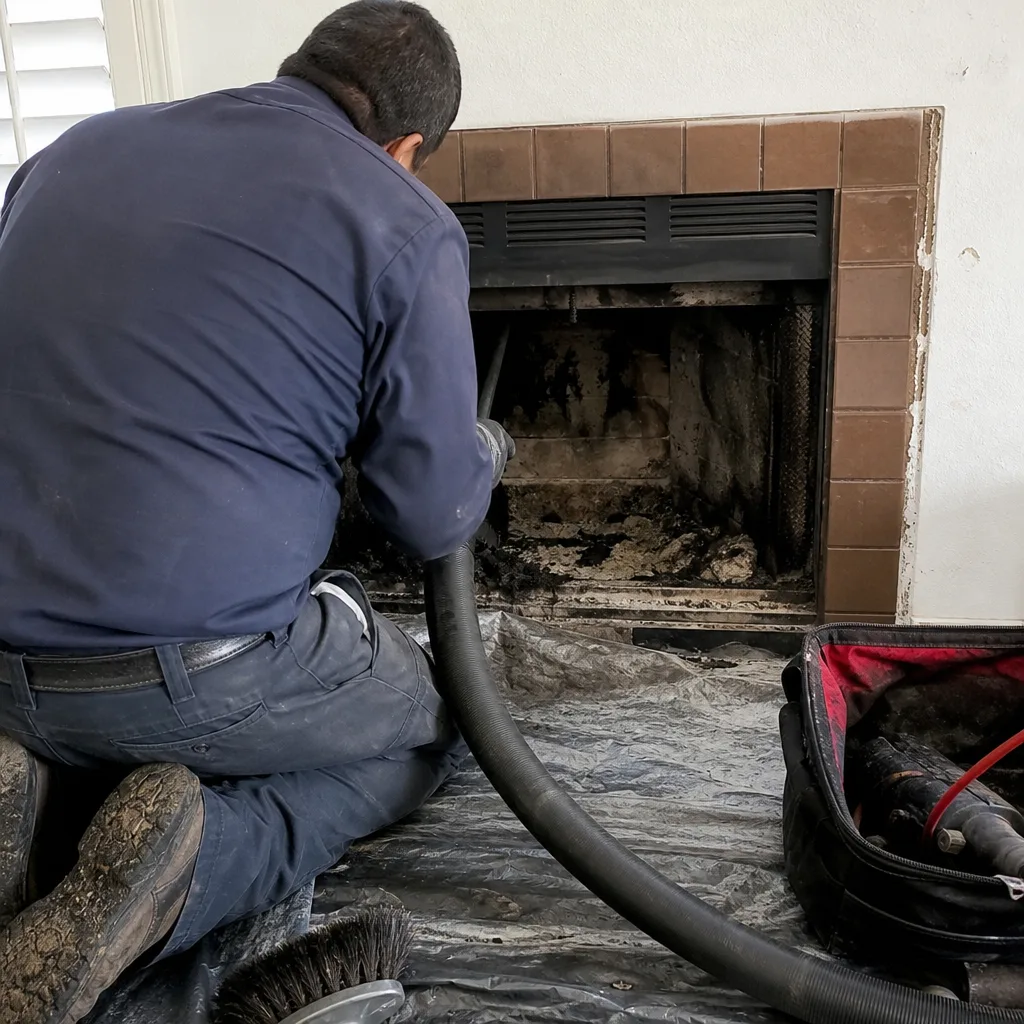 Before
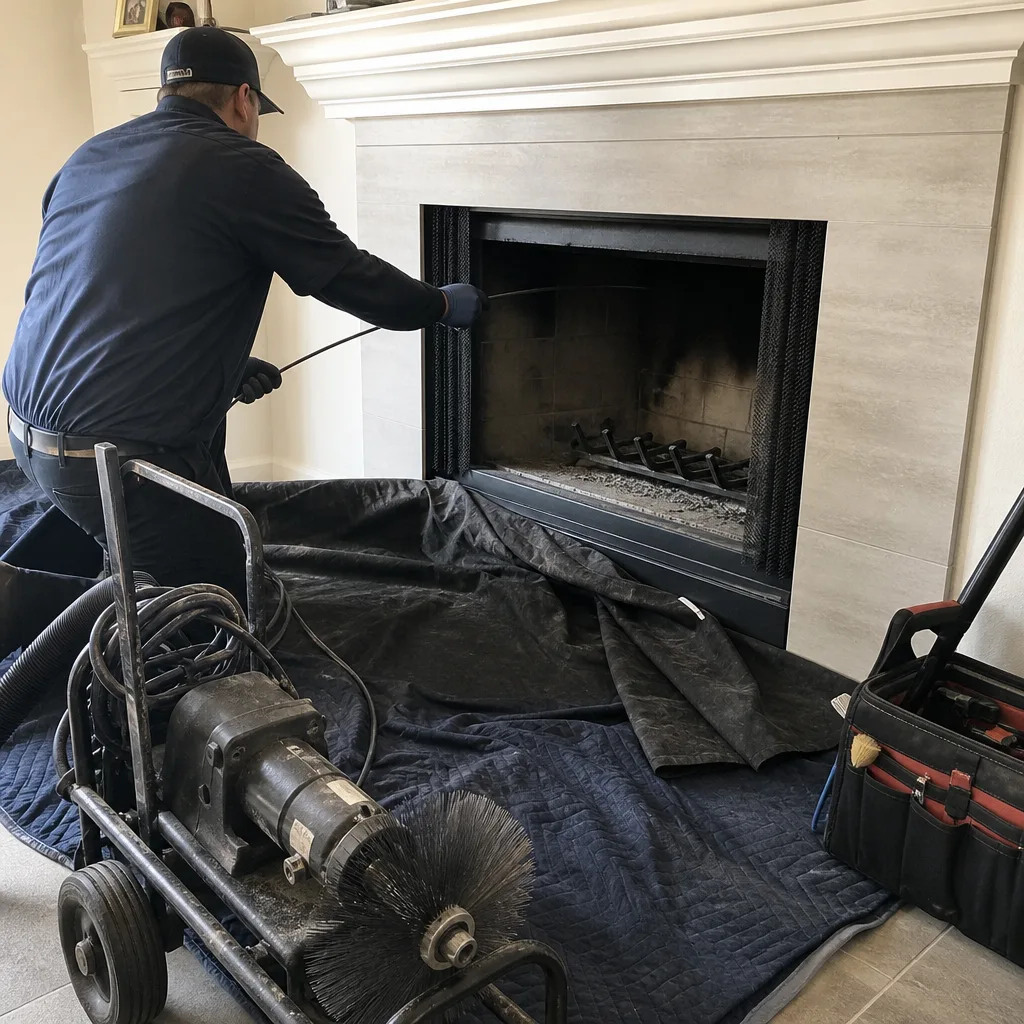 After
After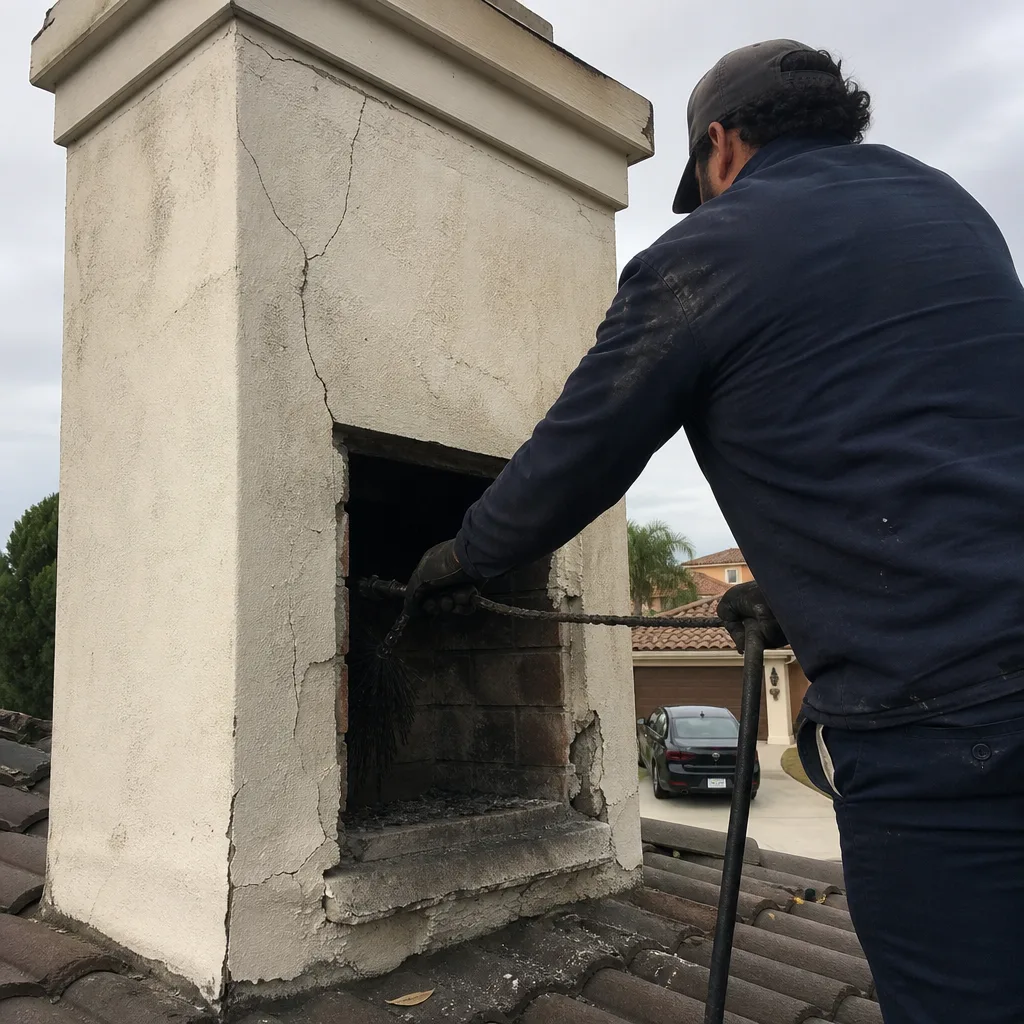 Before
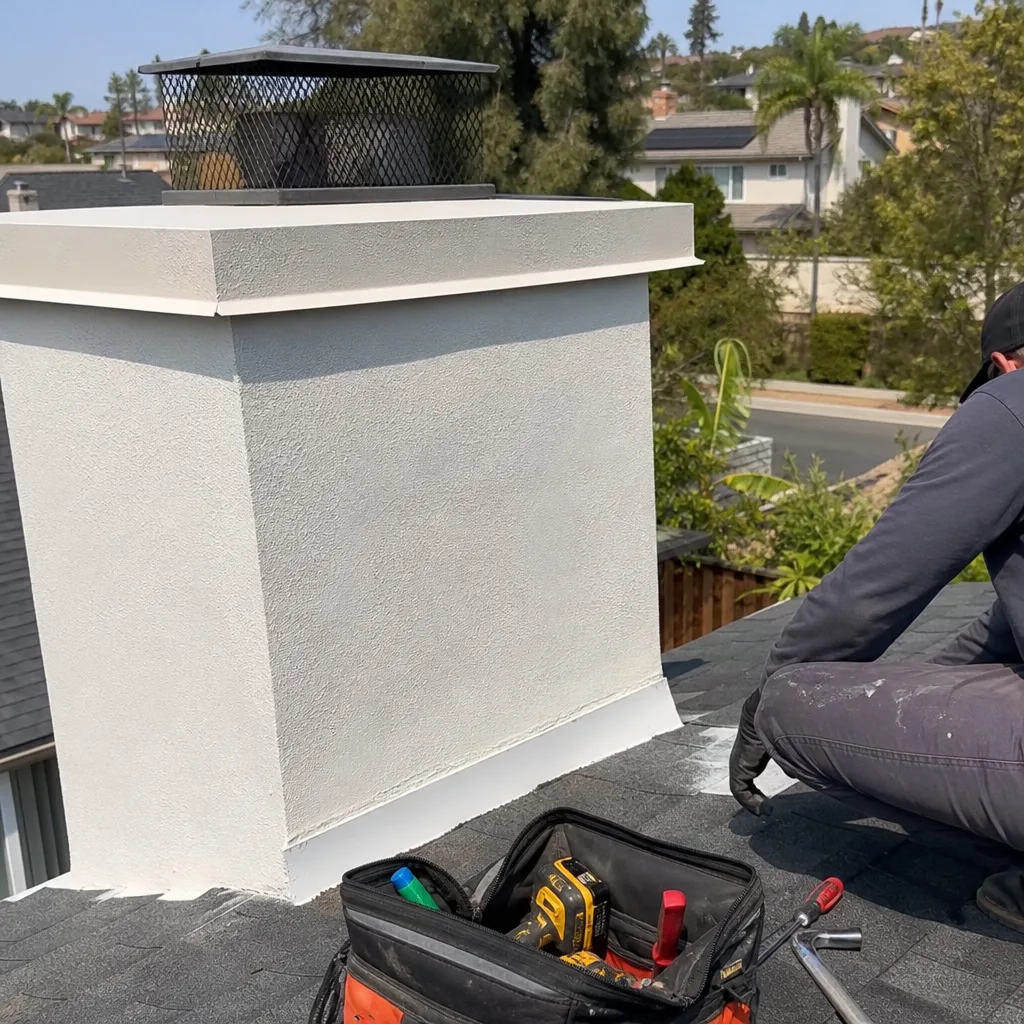 After
After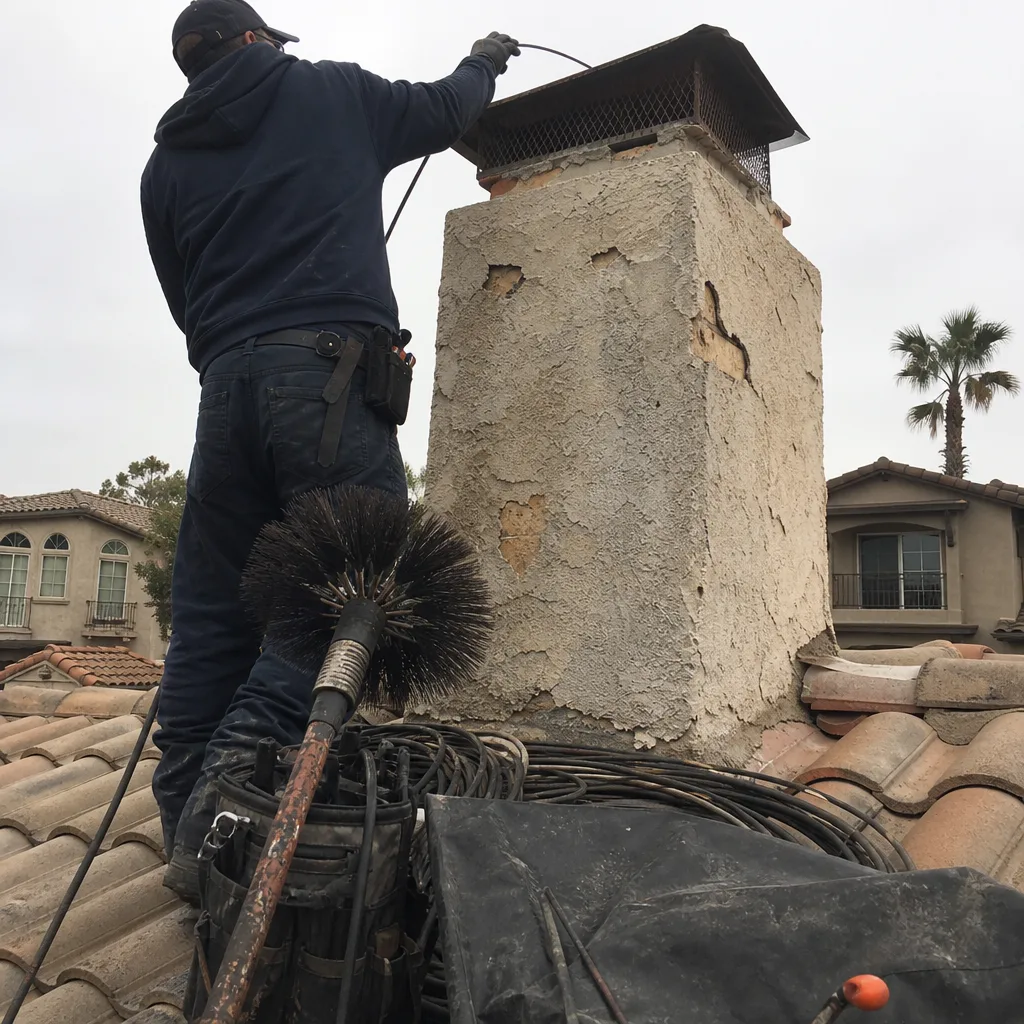 Before
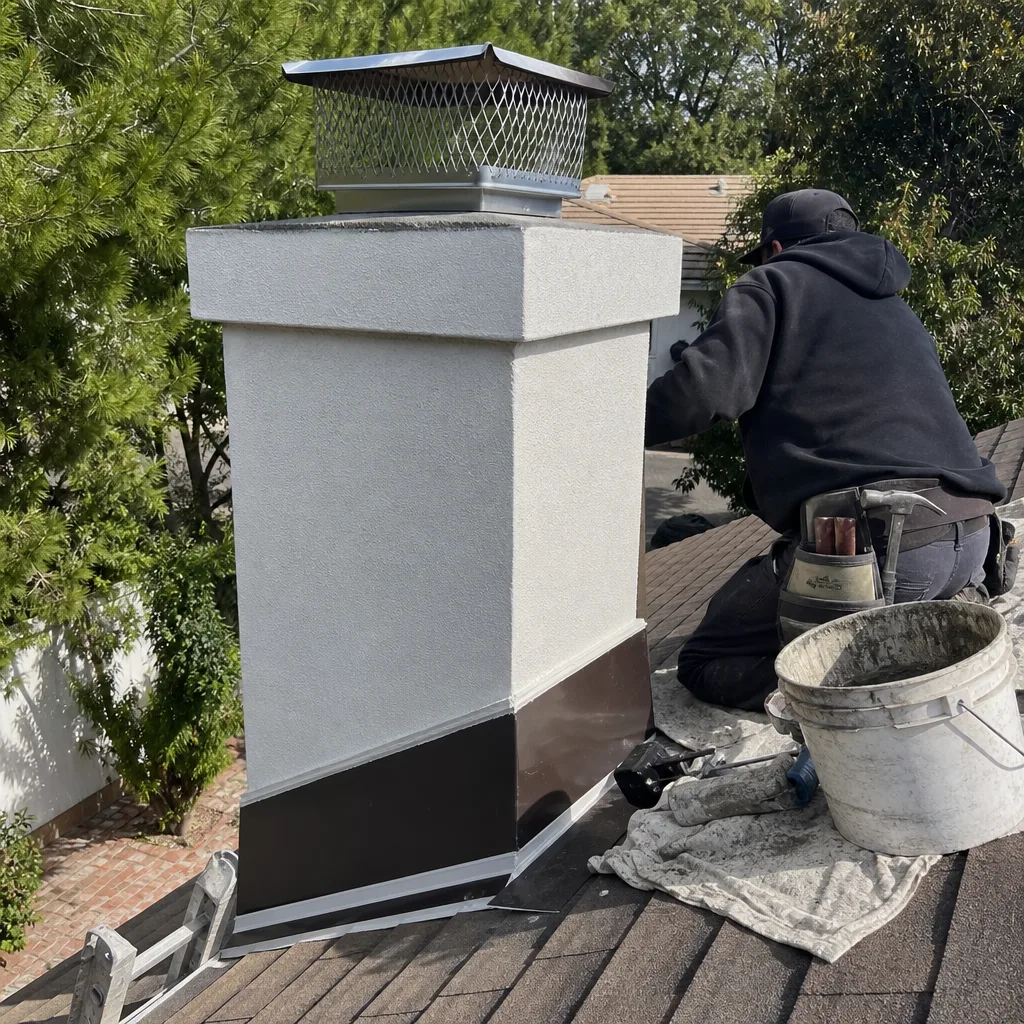 After
After