
Last updated October 15, 2026
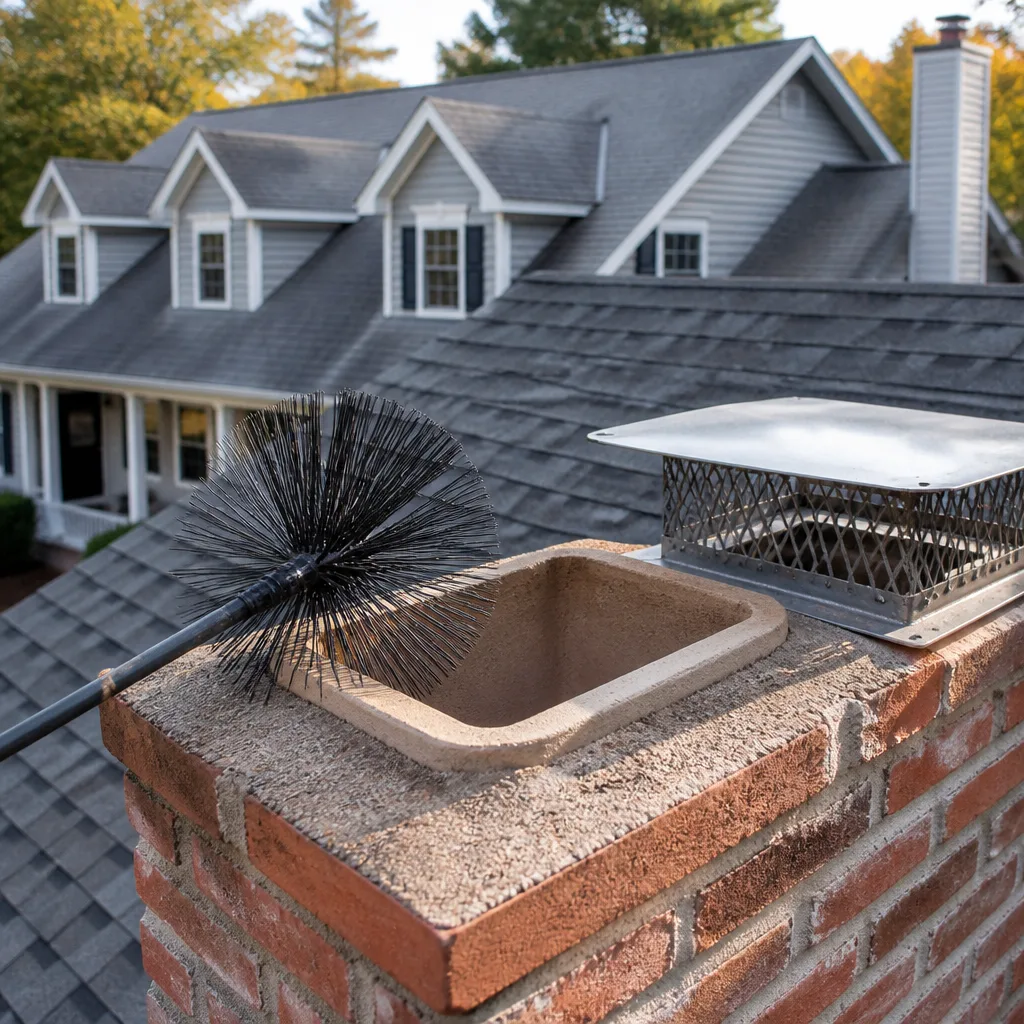 Sweep & inspection
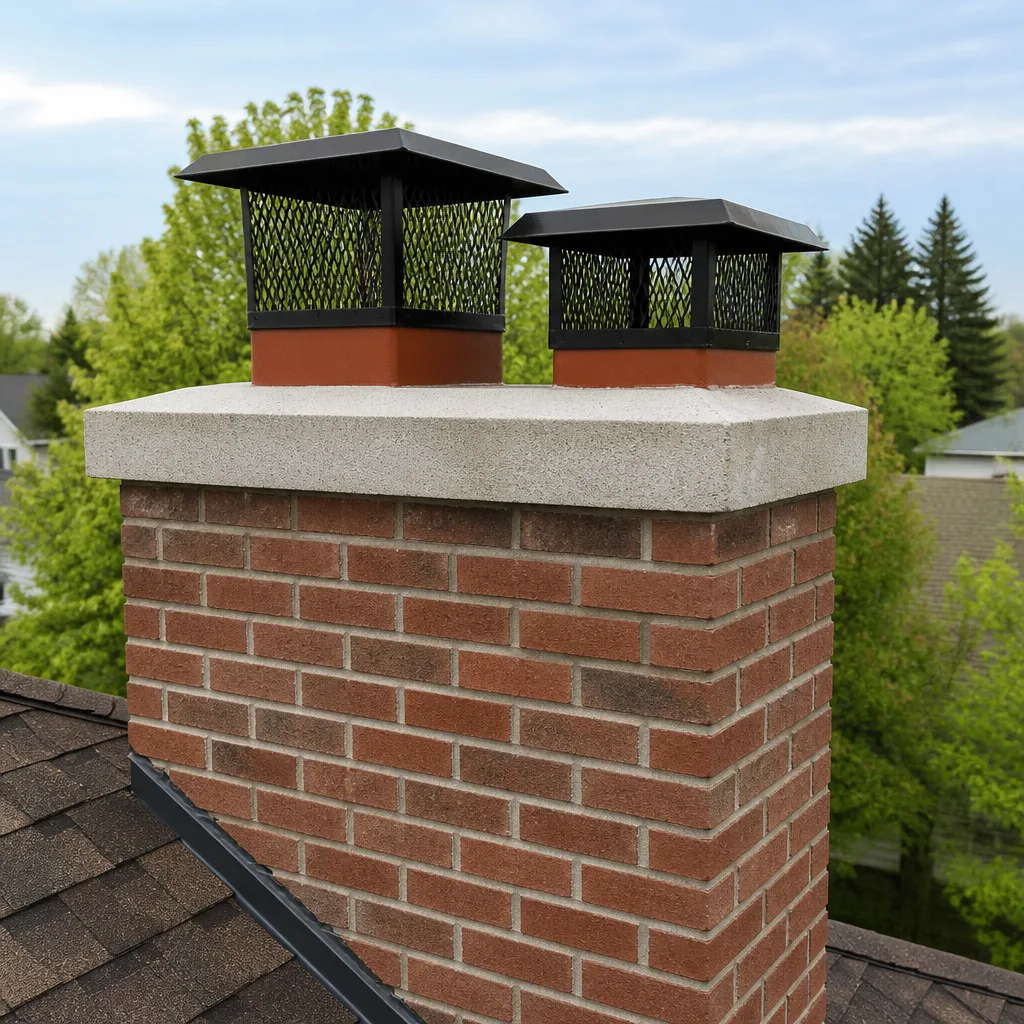 Caps & crowns
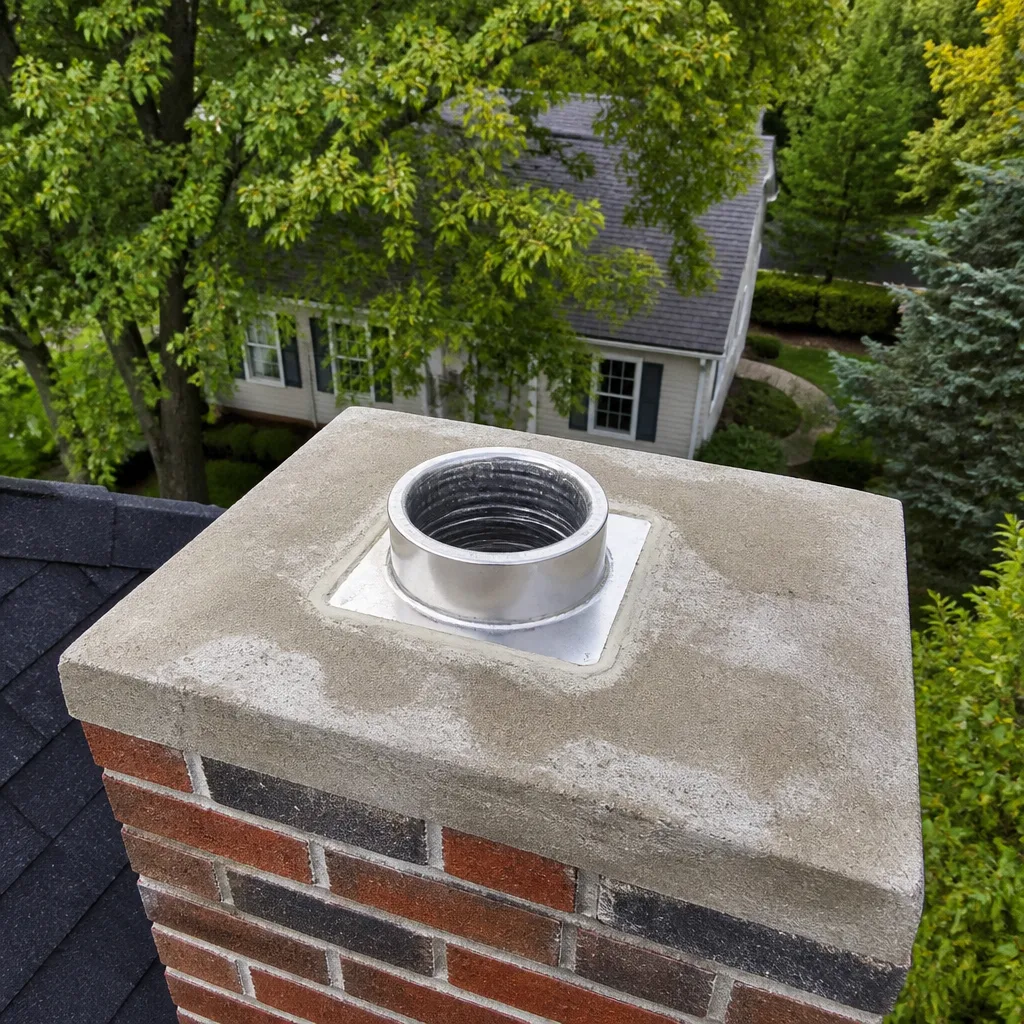 Flue relining
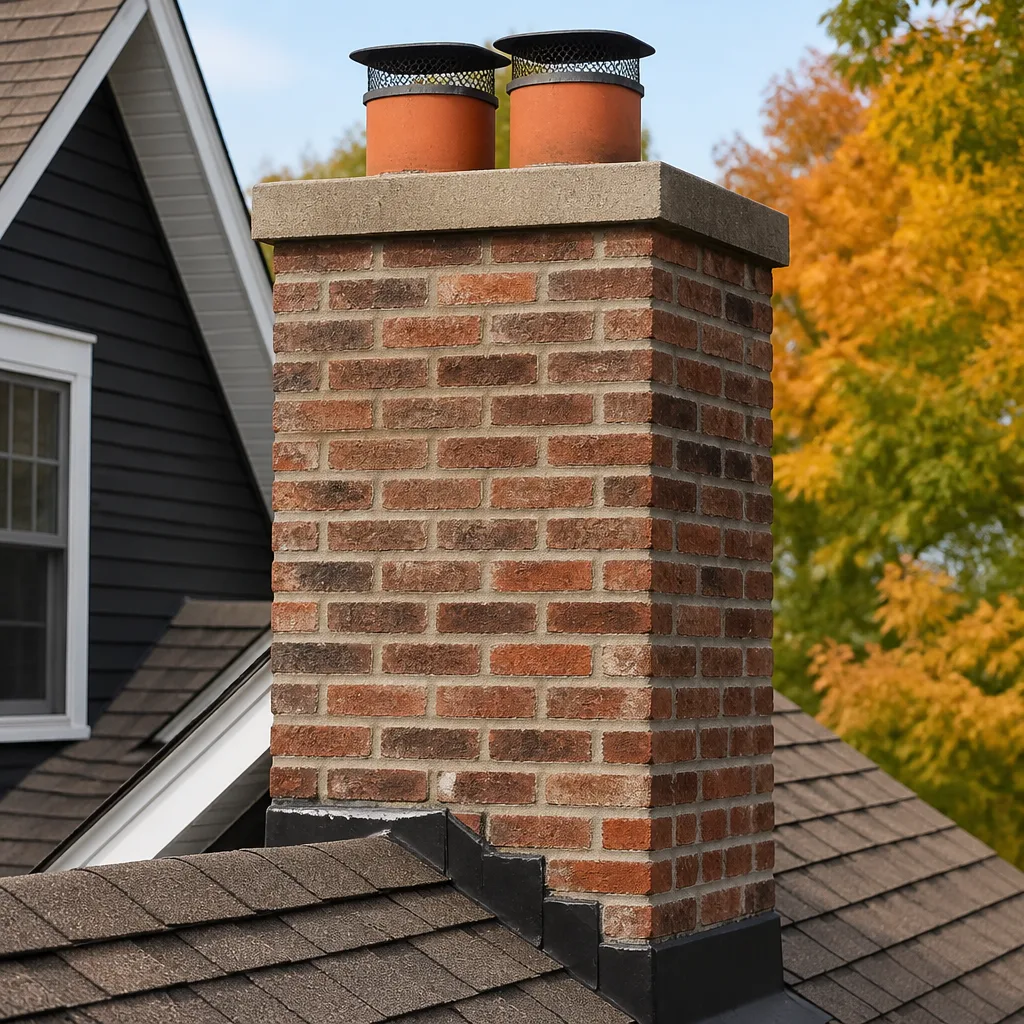 Masonry repair
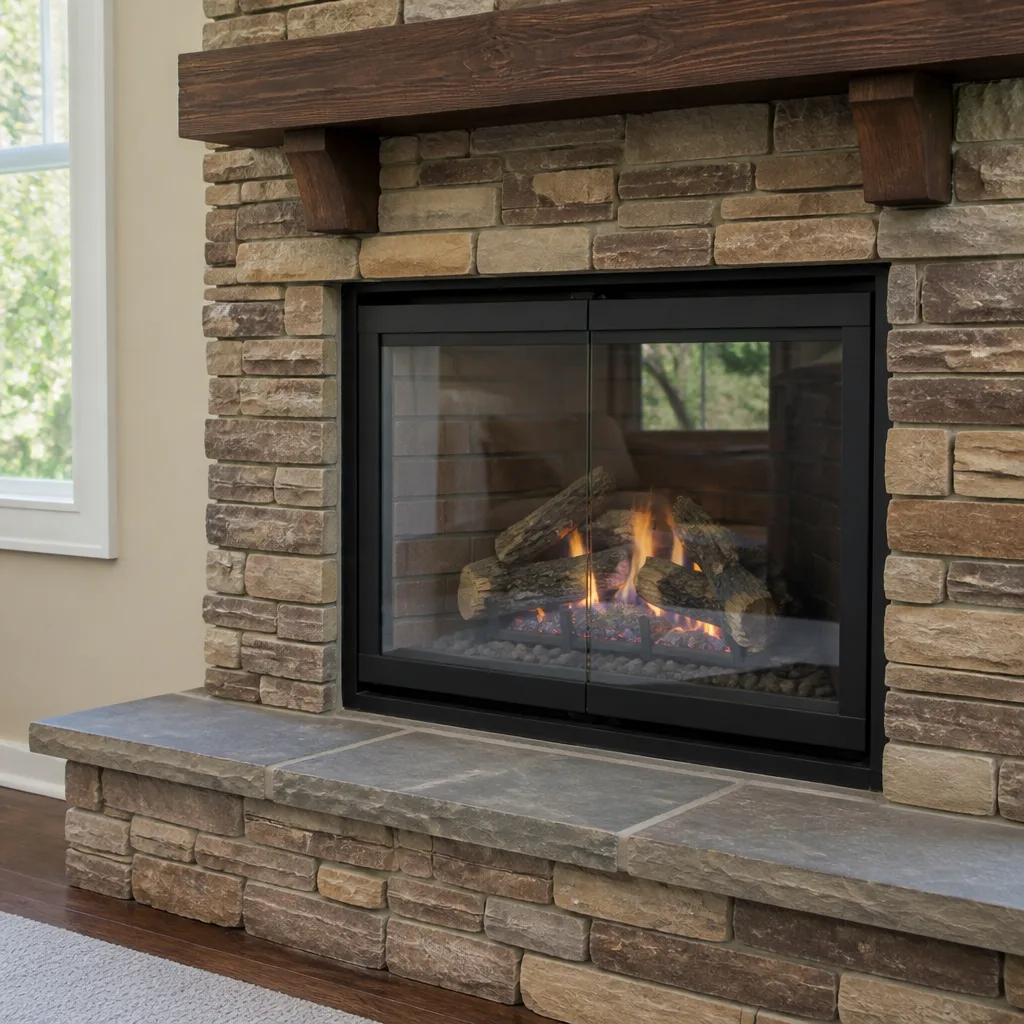 Gas fireplace service
Level 1 sweep and inspection to the NFPA 211 annual standard - flue, crown, cap, and flashing checked and photographed
Chimney sweep logs do not sweep chimneys. They loosen some creosote - which then falls where a brush and vacuum still have to collect it.
Chimney Cleaning Permits, Codes & Inspections in CA: What You Need to Know
Here’s a number most Ventura homeowners don’t expect: California’s Title 24 energy code runs more than 800 pages, and tucked inside it are rules that govern what can and cannot be done to your fireplace. You don’t need a permit to have your chimney swept, and that’s the answer most people stop at. But the line between a $250 cleaning and a $4,000 liner replacement is exactly where permit requirements begin, and missing that line can complicate a home sale years later. This guide draws it clearly, including VCAPCD No-Burn Day rules specific to Ventura County that can restrict when you’re legally allowed to burn wood at all, and links to The Complete Guide to Chimney Cleaning in Ventura for deeper maintenance context.
Styles & brands we work with
Quick Answer
Routine chimney sweeping and standard Level 1 inspections in Ventura require no permit and no government filing of any kind. A permit is typically required when the work crosses from cleaning into structural modification: replacing a flue liner, installing a fireplace insert, rebuilding a firebox, or altering the chimney’s height or crown. Wood burning in Ventura County is separately regulated by VCAPCD Rule 74.28, which can ban wood fires on designated No-Burn Days that sometimes run 30 or more per winter.
Table of Contents
- Where the Permit Line Actually Sits in California
- VCAPCD No-Burn Days: What Ventura Homeowners Must Know
- Inspection Levels Explained: What a Level 2 Actually Documents
- EPA-Certified Inserts and Older Ventura Fireplaces
- How to Pull a Chimney’s Inspection History Before You Buy
- When Repairs Cross Into Permitted Work: A Ventura-Specific Breakdown
- Title 24 and Your Fireplace: The Code Few Homeowners Read
- What to Ask Any Chimney Contractor Before Work Starts
- Common Mistakes to Avoid
- When to Call a Professional
- Frequently Asked Questions
- The Bottom Line
Where the Permit Line Actually Sits in California
California building codes treat a chimney as part of the building envelope, not a standalone appliance. That distinction drives everything. Cleaning a chimney, even aggressively with rotary brushes and chemical treatments, does not alter the structure. Sweeping removes creosote, the tar-like buildup that causes chimney fires, but it doesn’t change what the chimney is. The California Building Code requires permits when work changes what something is or how it performs. Sweeping changes neither.
Here’s the breakdown as it applies in Ventura, where the city follows the 2022 California Building Code with local amendments:
- No permit needed: chimney sweeping, standard Level 1 inspection, minor masonry pointing on exterior brick (as long as less than 10% of the surface area is replaced), cap installation that doesn’t alter crown height, damper repair using like-for-like parts.
- Permit usually required: flue liner replacement, firebox rebuild, installation of a wood or gas insert, changing chimney height, adding a chase cover where none existed, converting a wood-burning fireplace to gas, any structural repair to the crown that involves rebuilding rather than sealing.
Ventura’s building department moved to an online portal for over-the-counter permits in 2021, and most chimney liner replacements clear plan check in under a week. The permit cost for a typical liner job runs $180 to $320 depending on valuation. The bigger cost consideration is time: unpermitted liner work discovered during a home sale can delay escrow by 4 to 8 weeks while the seller scrambles to get retroactive approval. We’ve had buyers’ inspectors flag exactly this in East Ventura and Midtown more times than we can count.
A good rule of thumb: if the work involves a part you can see without a camera, and that part is missing or broken, the repair may need a permit. If the work is removing buildup from a part that’s still intact, it doesn’t. For a full breakdown of what to watch for, see our Chimney Cleaning Warning Signs: A Ventura Homeowner’s Reference Guide.
VCAPCD No-Burn Days: What Ventura Homeowners Must Know
Ventura County Air Pollution Control District Rule 74.28 restricts wood burning in fireplaces and wood stoves on days when particulate matter forecasts exceed federal health standards. These restrictions run from November through February each year, and in a bad inversion year, Ventura can see 30 to 40 No-Burn Days in a single winter.
The rule is a health regulation, not a building code, but it operates like a permit in one specific sense: when a No-Burn Day is in effect, burning wood is illegal unless your home uses a VCAPCD-registered, EPA-certified device as its sole source of heat. The fine structure matters, so here are the actual numbers:
- First violation: $100 administrative penalty, but VCAPCD typically issues a warning letter for first-time offenders whose address hasn’t been flagged before.
- Second violation in a 12-month period: $500.
- Third and subsequent violations: $1,000 or more, and VCAPCD can require proof of compliance (like a camera inspection showing clean flue conditions) before the case closes.
Beyond the fines, there’s a documentation angle most homeowners don’t consider. A No-Burn Day citation creates a record attached to the address. When you sell, a sharp buyer’s agent can pull that record and ask questions. A chimney that’s been repeatedly cited for burning on prohibited days is often one that hasn’t been swept recently, because a dirty flue and a smoky burn go together.
How to check before you light a fire:
- Visit the VCAPCD website and look for the “Check Before You Burn” status banner on the homepage.
- Call the VCAPCD hotline at (559) 282-2695 and listen for the daily burn status recording.
- Sign up for email or text alerts through the district’s notification system. Many Ventura homeowners do this once and forget it until the first alert of the season.
- If you live within Ventura city limits, the city also posts burn status on its community services page during high-alert periods.
The most practical thing you can do to stay compliant is keep the flue clean. A clean chimney burns hotter and cleaner, which means fewer visible smoke complaints from neighbors. And neighbor complaints are how VCAPCD enforcement notices begin.
Inspection Levels Explained: What a Level 2 Actually Documents
The Chimney Safety Institute of America defines three inspection levels, and California’s building code references these levels directly when a property changes hands. Our Chimney Sweep Maintenance Checklist for Ventura Homeowners maps these levels to an annual schedule. Understanding the difference between a cleaning and a Level 2 inspection matters because the documentation from the latter is what underwriters and escrow officers actually read.
A Level 1 inspection is visual and limited. The technician evaluates the accessible portions of the fireplace, flue, and exterior. It’s the default inspection that accompanies most sweeps. The report, if one is written at all, is a single page. It says the chimney is serviceable for continued use under the same conditions.
A Level 2 inspection is a different animal. It’s required in California when:
- Any part of the system has changed: liner replaced, insert installed, appliance type converted.
- A chimney event has occurred: a chimney fire, a lightning strike, even a strong seismic event. Ventura sits 12 miles from the San Cayetano fault, and we’ve seen earthquake shifts open mortar joints that no one noticed until a Level 2 camera scan found them.
- The property is being sold or transferred. The California Association of Realtors purchase agreement specifically calls for Level 2 inspection when a masonry fireplace is present and the home was built before 1990.
A Level 2 inspection includes a closed-circuit camera scan of the entire flue interior, from the firebox to the termination cap. It documents the flue’s dimensions, liner material and condition, offset angles, mortar joint consistency, and any gaps or perforations. The report typically runs 3 to 5 pages and includes still images from the camera feed.
Here’s the key legal distinction: a Level 2 inspection generates a record. That record is the document a home inspector, escrow officer, or insurance underwriter will request if the chimney’s condition is ever questioned. We tell everyone selling a home in Ventura: get the Level 2 before listing, because the buyer’s inspector will demand it anyway, and you want the report’s findings addressed on your timeline, not during a 17-day escrow contingency.
For a deeper look at how our inspection process works, see our Chimney Inspection in Ventura page, which walks through what the camera report shows you.
EPA-Certified Inserts and Older Ventura Fireplaces
Ventura’s housing stock skews older, especially in neighborhoods like Midtown, College Area, and the Avenues, where masonry fireplaces built from the 1920s through the 1960s are common. These open-hearth fireplaces are lovely and wildly inefficient. They send 85 to 90 percent of the heat they generate straight up the chimney. They also produce particulate emissions several times higher than a modern EPA-certified insert.
An EPA-certified insert is a wood-burning appliance that fits inside the existing fireplace opening and meets the EPA’s 2020 New Source Performance Standards for particulate emissions. The current standard for non-catalytic wood heaters is 2.0 grams of particulate per hour. Older uncertified units can emit 30 to 40 grams per hour by comparison.
Installing one in Ventura triggers two things:
- A building permit. An insert is an appliance installation, not a cleaning, and the city of Ventura’s building department treats it as a fireplace modification. The permit application requires the insert’s EPA certification number, the manufacturer’s installation manual, and usually a simple site plan showing the fireplace location.
- A post-installation inspection. The inspector verifies that the insert is installed to the manufacturer’s clearances and that the existing chimney, if used as a chase for a new liner, meets the current code for the liner’s temperature rating.
Most inserts we install are paired with a new stainless liner, and that liner is a DuraFlex product. DuraFlex liners are rated for both wood and gas applications, which matters if the homeowner later converts. The liner installation itself may require a separate permit line item, depending on how Ventura’s plan checker interprets the project scope.
One note for Ventura homeowners: installing an EPA-certified insert does not automatically exempt you from No-Burn Day restrictions. VCAPCD’s registration program offers exemptions only when the device is the home’s sole source of heat and the household qualifies under specific income or health-related criteria. A secondary fireplace insert in a home with central heating does not qualify, and VCAPCD is strict about the distinction.
How to Pull a Chimney’s Inspection History Before You Buy
Chimneys are like roofs in one important way: their problems hide, and the previous owner almost certainly knew about them. But unlike roofs, there’s no centralized database of chimney inspection records. Pulling the history requires a little detective work, and here’s the exact process we recommend to anyone buying a home in Ventura:
- Ask the seller’s agent for chimney records directly. Specifically request receipts from any sweep, repair, or inspection within the last 10 years, and ask whether a Level 2 inspection has ever been performed. If the agent stares blankly, that’s your answer.
- Check for a CSIA certification label or metal tag. Many sweeps attach a small metal tag to the fireplace damper or exterior cleanout door with the company name, date, and work performed. Older homes in Ventura often have these hidden behind the screen or under a coat of paint.
- Call the company listed on any tag or receipt. Legitimate sweep companies keep customer records. Ask for the work order number, date, and scope. Ask directly: “Was there any recommendation the homeowner declined?” You’d be surprised how often the answer is yes, and the homeowner is legally required to disclose it and didn’t.
- Check with the city of Ventura’s building department. If any permitted chimney work was done (liner replacement, firebox rebuild), the permit record is public. Search the address in the city’s permit portal. Unpermitted chimney work found before closing is a negotiation tool; after closing, it’s your problem.
- Run a natural hazard disclosure review. The seller’s disclosure package should list any chimney-related insurance claims. A chimney fire claim, even a small one, is a red flag that demands a Level 2 inspection before you waive contingencies.
In the neighborhoods around Ventura College and up toward Ondulando, we regularly see homes where the fireplace was rarely used for decades. The sellers assume that means it’s in fine shape. In reality, decades of disuse in a coastal climate brings its own problems: moisture intrusion, spalling brick, and rusted dampers that no one operated for 20 years. The inspection history request protects you from buying a fireplace-shaped wall ornament with a $7,000 liner problem.
If you live in Ventura and need professional help assessing a fireplace, our Alcott Chimney Ventura home page has our full service area and contact details.
When Repairs Cross Into Permitted Work: A Ventura-Specific Breakdown
Here’s the most useful thing we can tell you: the permit threshold in California hinges on one word, and that word is “like-for-like.” Repairing a chimney using the same materials and same configuration as the original does not require a permit. Changing materials, configuration, or performance does. This is true statewide, but Ventura’s coastal climate pushes homeowners toward certain repairs more often than inland communities.
The repairs we see most in Ventura, and where they fall on the permit question:
- Rusted damper replacement. Salt air off the Pacific eats dampers. If you replace a throat damper with the same type, no permit. If you replace it with a top-sealing damper, which changes how the chimney drafts and seals, the city may consider it a performance modification. Call the building department with the specific product before you commit. In practice, most over-the-counter counter reviews classify this as exempt, but Ventura has required permits for cap-and-damper combinations that increase the flue’s effective height.
- Crown repair vs. crown rebuild. Sealing hairline cracks with silicone is maintenance. Rebuilding the crown because the concrete has spalled beyond 25 percent of the surface is a structural repair and triggers a permit. In Ventura’s marine layer, crowns fail faster than inland because of the constant wet-dry cycle from fog.
- Firebox refractory panel replacement. Replacing cracked refractory panels with same-size panels is a repair. Altering the firebox dimensions or rebuilding the floor to a different depth is a modification, and it changes clearances, which changes code compliance, which changes permit requirements.
- Flashing replacement. The sheet metal where the chimney meets the roof is roofing work, and in California, roof repairs covering less than 10 percent of the roof surface are typically exempt from permit. But if the flashing failure has allowed water into the chimney chase and the chase framing needs repair, that’s structural and permitted.
- Chase cap replacement on prefab chimneys. No permit. This is listed as an accessory replacement in the Uniform Mechanical Code, which California adopts with amendments.
The critical point: unpermitted work doesn’t stay hidden in Ventura. When a building permit is pulled for any reason (a kitchen remodel, a roof replacement, an ADU addition), the inspector’s checklist includes verifying that visible mechanical systems are code-compliant. A chimney liner that was installed without permit and without inspection will be flagged if it doesn’t meet clearance requirements. Now you’re opening walls, not just paying the late permit fee.
Title 24 and Your Fireplace: The Code Few Homeowners Read
California’s Title 24 Building Energy Efficiency Standards get revised every three years, and each revision has quietly tightened what’s allowed for fireplaces. Ventura, like all California cities, enforces Title 24 as a minimum standard, and the city’s climate zone (Zone 6, coastal) affects which provisions apply.
Here’s what actually matters for most Ventura homeowners:
- New construction requires no wood-burning fireplaces. Once upon a time, that meant gas, and gas log sets were the default. The 2022 code now effectively mandates that any new fireplace be either a certified wood-burning insert, a direct-vent gas fireplace with a pilot that meets the efficiency standard, or an electric fireplace. If your home was built before 2010, this doesn’t affect you directly, but it affects resale comparisons.
- Open hearths in existing homes are grandfathered, but only while they remain unmodified. This is the part people get wrong. You can keep using your 1962 open fireplace. But if you modify it beyond like-for-like repair, the modification must bring the system into compliance with current code, which for an open hearth means it can’t be an open hearth. The moment you pull a permit for a firebox rebuild, the city will require you to either close the fireplace off or install a certified insert.
- Combustion air requirements. Title 24 requires that wood-burning fireplaces in homes with tighter than 2.0 ACH50 (the air leakage standard) have a dedicated outdoor air supply. Many older Ventura homes can’t meet that tightness, which is another reason permitted fireplace work on older homes pushes toward sealed direct-vent gas inserts instead of wood.
The practical takeaway: if you love your open wood fireplace and it works, maintain it and leave it alone structurally. The moment you’re forced into a permit-level repair on an old open hearth, the code conversation changes, and you may find that your only compliant path forward is an insert. That’s not the city being difficult. It’s Title 24 doing exactly what it was designed to do: phase out the least efficient combustion appliances over time.
What to Ask Any Chimney Contractor Before Work Starts
A permit is only as good as the contractor who pulls it. Or doesn’t. The single most common compliance failure we see in Ventura is a contractor who tells the homeowner “we don’t need a permit for this” when the code plainly requires one. The homeowner believes them, the work gets done, and the problem surfaces at resale. Here’s what to ask, in writing, before anyone touches your chimney:
- “Will you provide the permit number before work starts?” If the answer is anything other than yes, ask why the work doesn’t require one. Then call the Ventura building department and verify independently. It’s a five-minute call.
- “Are you insured and bonded, and will you show me the certificate?” California doesn’t require chimney sweeps to carry a special license, which means insurance verification is on you. A contractor without current general liability coverage is a contractor whose mistake becomes your lawsuit, and your home’s hazard disclosure.
- “What materials are you using, by brand name?” For liner installations, the difference between a professional trade liner like DuraFlex and a generic thin-wall liner is measurable in thickness, alloy composition, and warranty duration. If the contractor can’t name the product, they’re buying whatever the supply house has on the shelf.
- “Does the quote include the post-installation inspection?” A permit without the final inspection is worthless. The work isn’t legally complete until the inspector signs off, and closing the permit is the contractor’s obligation, not yours. If the contractor says they’ll pull the permit but wants you to close it, walk.
- “Who is the person actually doing the work, and will they be the same person I talk to?” In Ventura, chimney work is often subcontracted. Ask for the technician’s name before the work date. At Alcott Chimney Ventura, you’ll know the technician’s name and see their photo before we arrive, and every technician is background-checked and identity-verified through our Threshold Standard before they ever step on a customer’s property. No exceptions.
The five questions above don’t make you a difficult customer. They make you an informed one. The contractor who gets defensive about any of them is answering the question in a different way.
Common Mistakes to Avoid
- Assuming “no permit needed for cleaning” means “no permit needed for anything.” The line is clean. Cleaning is exempt. Liner replacement, firebox rebuild, insert installation, and structural crown work are not. The homeowner who conflates the two is the homeowner who discovers unpermitted work during escrow.
- Burning wood on a No-Burn Day because you think no one will notice. VCAPCD enforcement in Ventura is complaint-driven, which means your neighbor’s security camera is the enforcement mechanism. The first citation is a warning letter. The second one is $500.
- Skipping the Level 2 inspection before a home sale. If you’re selling a Ventura home with a masonry fireplace built before 1990, the buyer will request a Level 2. If you wait until they request it, you’ll pay for it under time pressure and negotiate repairs from a weak position. We tell our clients to get the inspection first, make repairs on their own schedule, and hand the buyer a clean report.
- Trusting a contractor who says “permits are just revenue collection.” Permits exist so a third party verifies the work meets code. The contractor who dismisses them is telling you they don’t want their work inspected. That’s an admission, not a philosophy.
- Upgrading to an EPA insert without checking VCAPCD registration requirements. An insert is a great investment for Ventura’s coastal winters, but it doesn’t exempt you from burn restrictions just because it’s efficient. The device has to be registered with VCAPCD and meet the sole-source-of-heat test to qualify for any exemption.
- Ignoring chimney inspection history when buying an older home. Homes in Ventura’s older neighborhoods often have fireplaces that haven’t been used in decades. The listing photos show a beautiful hearth, and the flue inside is a mess of spalled mortar and rusted steel. Pull the history. If there’s no history, demand a Level 2.
- Forgetting that a fireplace is a mechanical system, not furniture. It’s part of your home’s envelope. It moves hot gas through the center of your house. Treating it like a decorative feature when the code treats it like a mechanical system is how small problems become structural ones.
When to Call a Professional
If you smell smoke in the house when the fireplace is burning, stop using it and call for an inspection. The smoke is telling you the flue isn’t drafting, and that’s either a blockage or a structural issue you can’t see. If you hear creosote crackling like frying bacon inside the flue, that’s a chimney fire trying to start. If you’ve bought a home and can’t find any record of a chimney inspection in the last decade, schedule one before you light the first fire. If you’re considering an insert or liner replacement, you need a contractor who knows Ventura’s permit process cold. Alcott Chimney Ventura offers free estimates in Ventura, we answer our own phones around the clock, and every job comes with a written price before work begins. Call (559) 282-2695.
If your fireplace is gas rather than wood-burning, different rules and safety considerations apply. See our Gas Fireplace Repair in Ventura page for specifics.
Frequently Asked Questions
No. Routine chimney sweeping and standard Level 1 inspections require no permit in Ventura or anywhere else in California, because cleaning doesn’t alter the structure or performance of the system. Sweeping removes creosote and soot, and the building code doesn’t regulate maintenance. If you’d like a professional sweep, our Chimney Sweep in Ventura service includes a written price before work starts and a written guarantee on any repairs.
A standard chimney sweep in Ventura typically runs $180 to $320 before any repairs, depending on access, flue height, and how much creosote has accumulated. If the chimney hasn’t been cleaned in several years, expect the price to land on the higher end. Every sweep we do starts with a camera inspection so you see exactly what’s in the flue before we recommend anything. Call (559) 282-2695 for an exact quote, estimates are free.
A Level 2 chimney inspection is a camera scan of the entire flue interior, from firebox to cap, and it’s required in California when a property is being sold, after a chimney fire or seismic event, or when the system has been modified. The report documents liner condition, mortar joints, clearances, and offset angles, and it becomes the record the buyer’s inspector and escrow officer rely on. A standard Level 1 inspection is visual only and doesn’t include the camera pass.
The National Fire Protection Association standard is one cleaning per cord of wood burned, or annually for a fireplace that gets regular use. In Ventura, where the burn season runs roughly November through February, most homeowners with an active fireplace do one sweep per year. If you burn less than a half-cord and the fireplace sat unused for several seasons, you still want an inspection but can likely stretch the sweep to every other year. The variable isn’t time, it’s creosote accumulation, and copper staining on the damper or firebox smoke patterns tells us how much is there. For a free evaluation, call (559) 282-2695.
You don’t need a new liner because a sweep company says you do. You need a new liner when a camera inspection shows the existing liner has failed: cracked clay tiles with gaps, separated mortar joints, rusted-through steel, or clearances that no longer meet code. Ask to see the camera footage. If the company won’t show you the video, find another company. We install DuraFlex and other professional trade liners in Ventura, and we don’t recommend a liner until you’ve seen the evidence with your own eyes.
Creosote builds up on the flue walls, and creosote is fuel. A hot fire can ignite it, and that’s a chimney fire that can reach 2,000 degrees, crack the liner, spread to framing, and put your whole house at risk. Short of a fire, a dirty flue drafts poorly, which pushes smoke and carbon monoxide back into the living space. Neither outcome is worth the $200 you saved. If your chimney hasn’t been inspected in a few years, call (559) 282-2695 and we’ll put a camera in it before the next burn season.
The Bottom Line
Chimney cleaning requires no permit in Ventura or anywhere in California, and that’s the simplest answer on this page. The permits enter the conversation when cleaning becomes repair, when repair becomes modification, and when modification triggers Title 24 compliance. VCAPCD adds a second layer: certain days each winter, burning wood is illegal regardless of how clean your chimney is. The homeowner who understands both layers, keeps their flue clean, pulls permits when the code says so, and verifies the person doing the work is who they claim to be, has solved the compliance equation. Everything else is just maintenance.
Written by Ruben Castellano, Owner at Alcott Chimney Ventura, serving Ventura since 2002.
See the difference
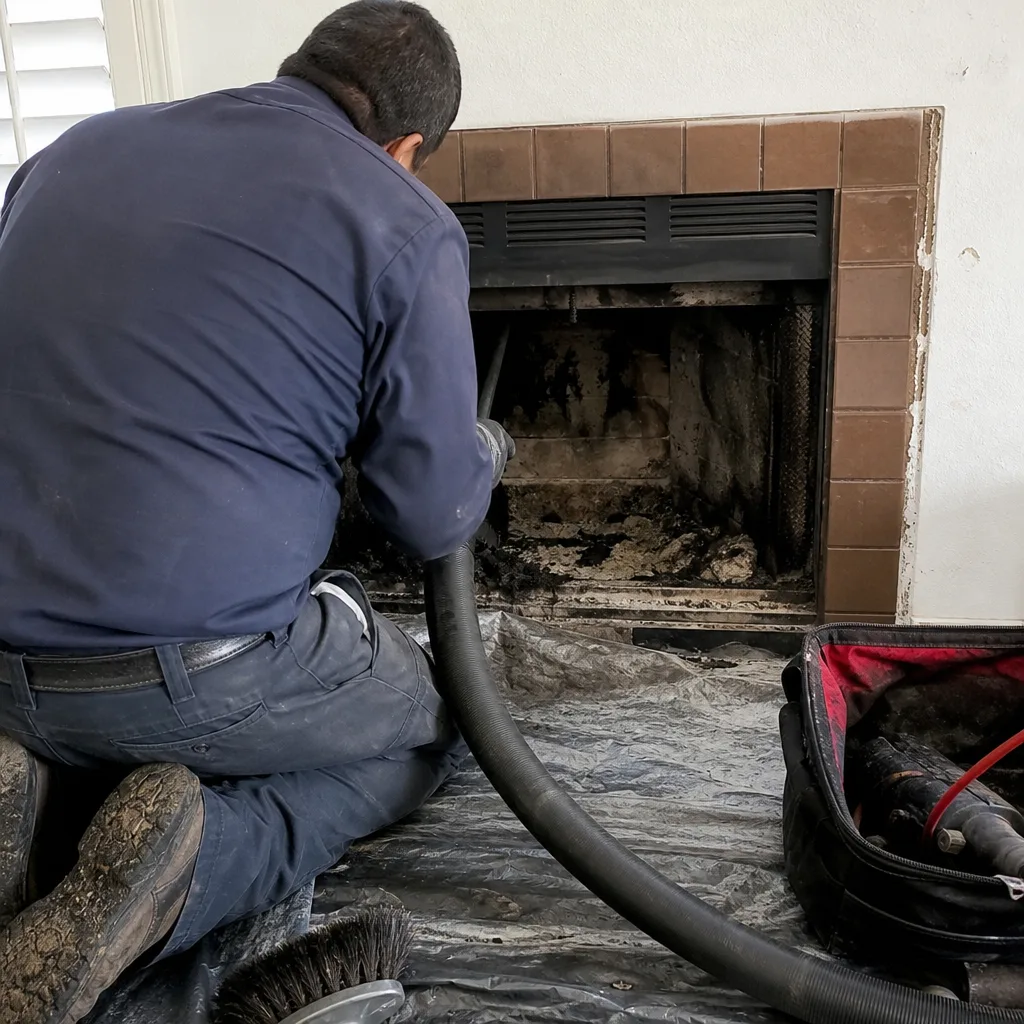 Before
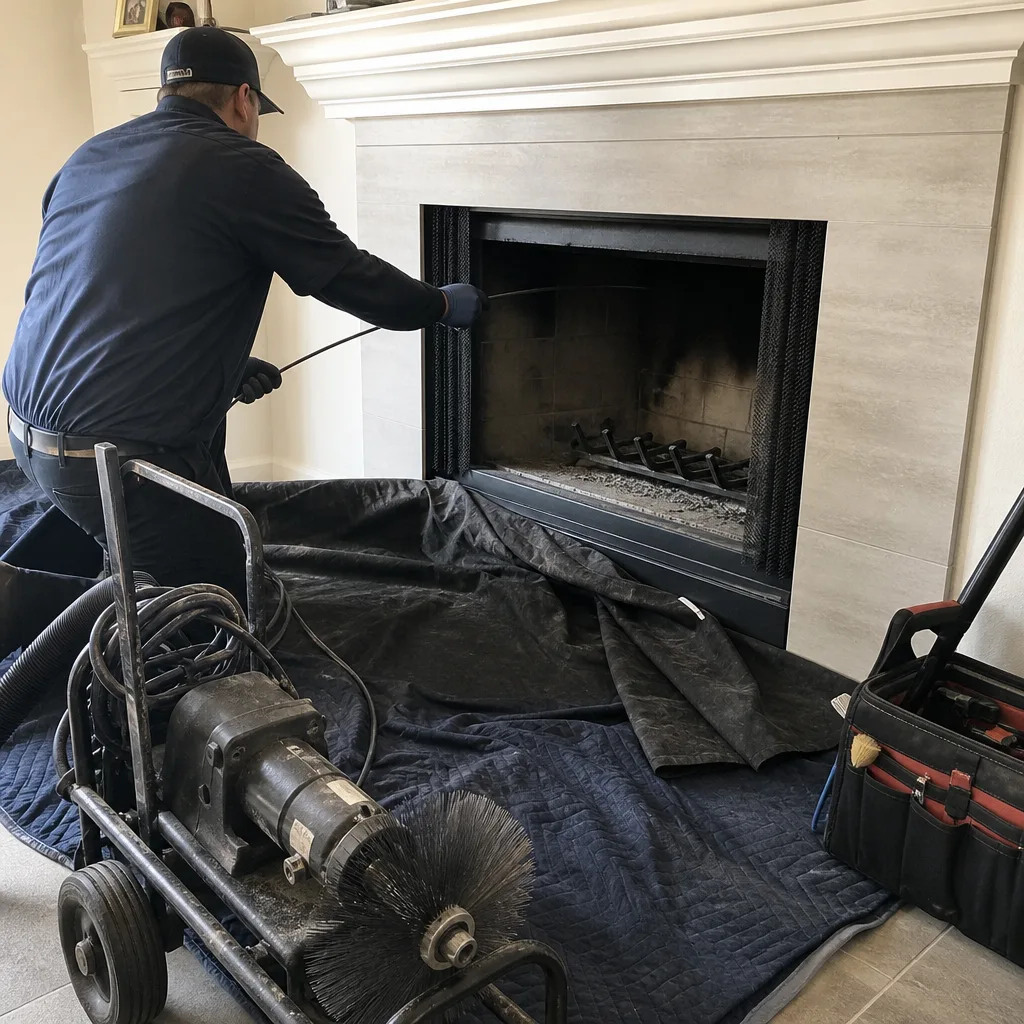 After
After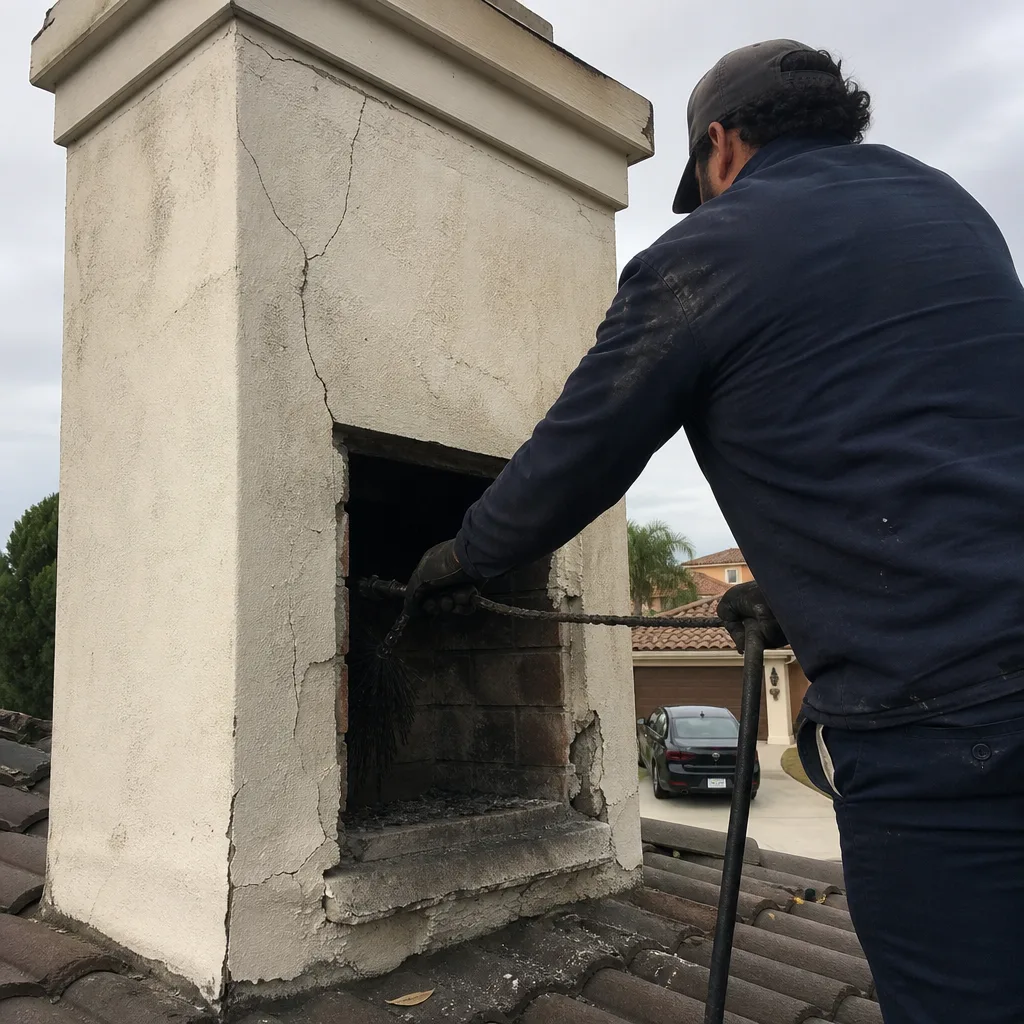 Before
 After
After Before
 After
After