
Last updated October 15, 2026
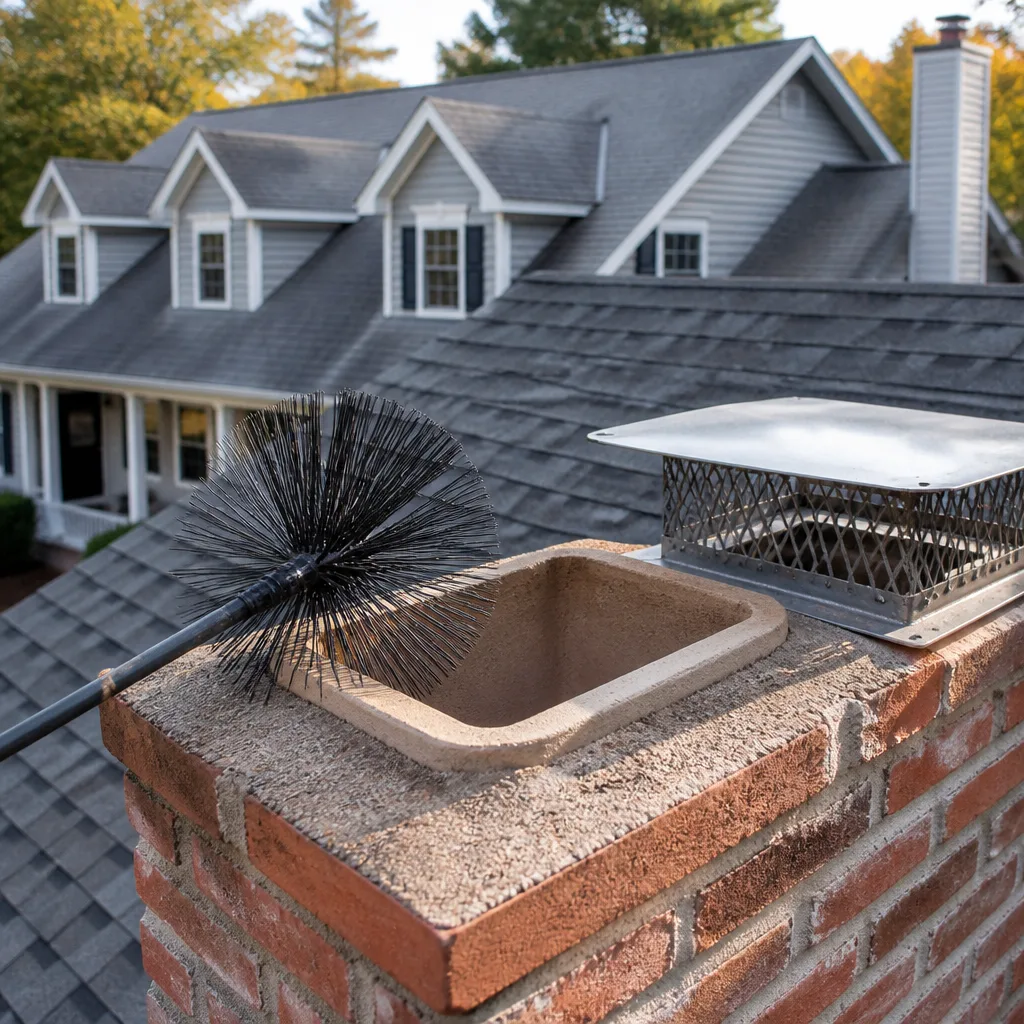 Sweep & inspection
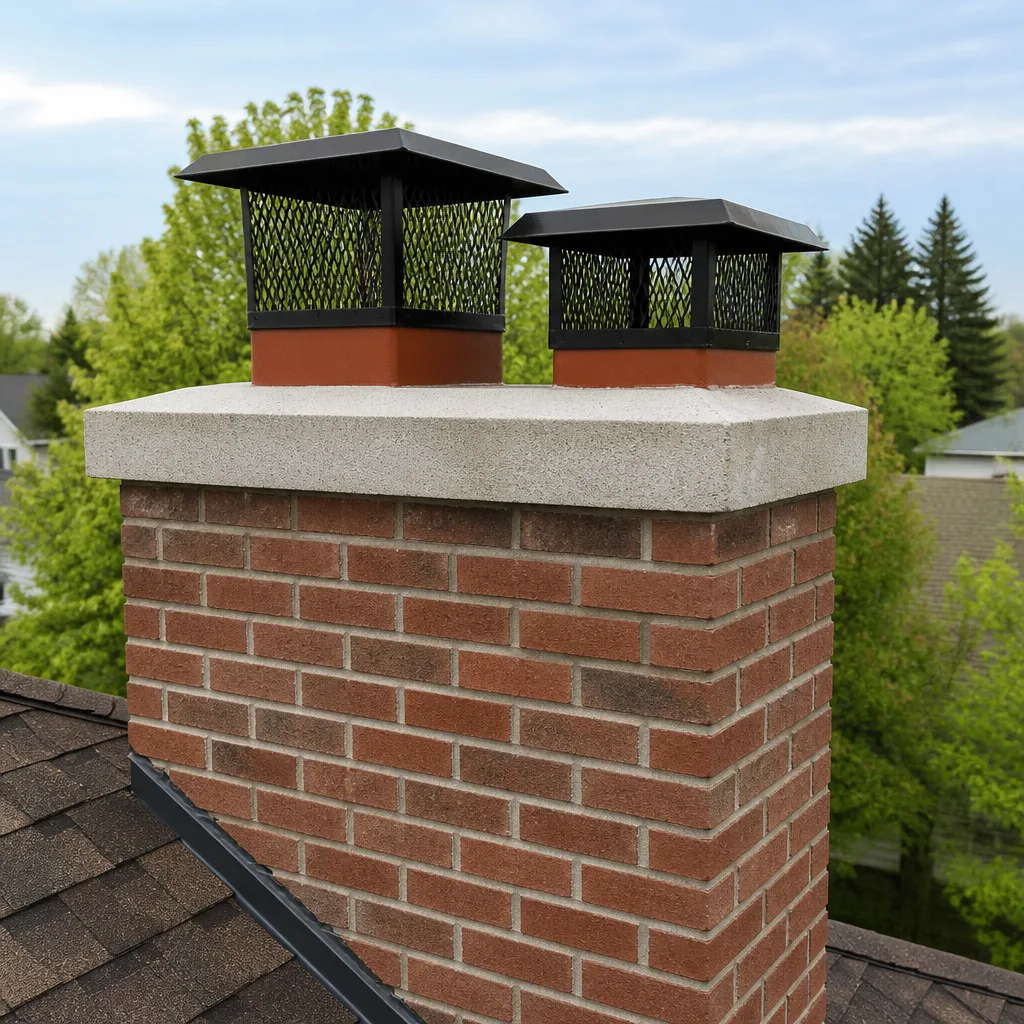 Caps & crowns
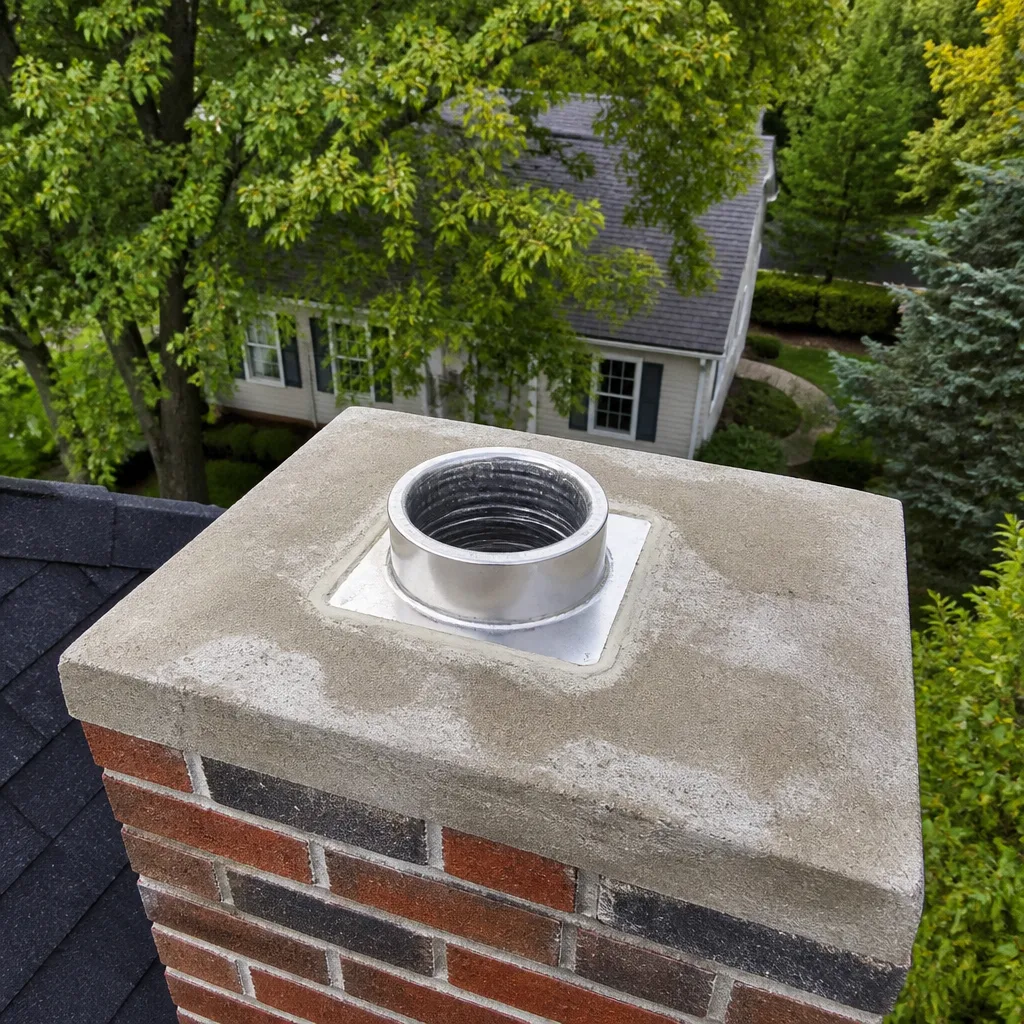 Flue relining
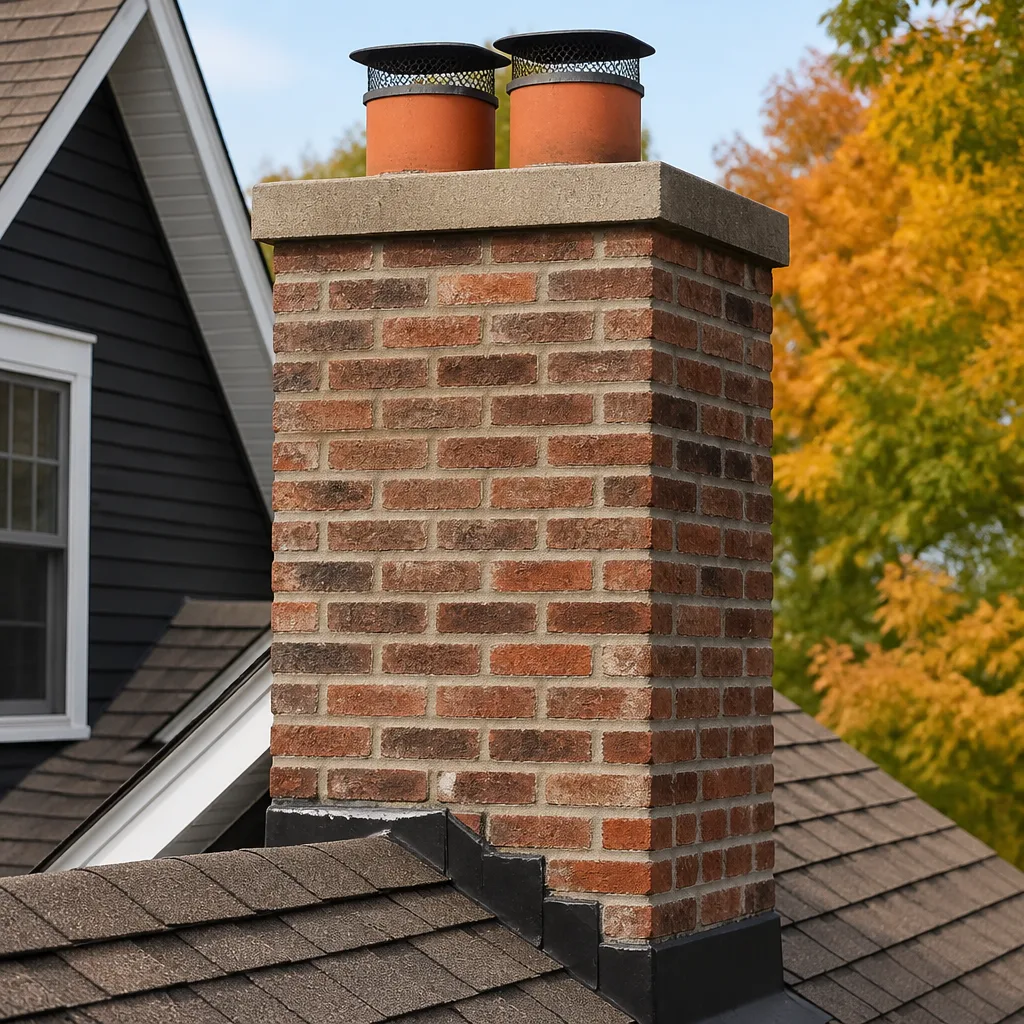 Masonry repair
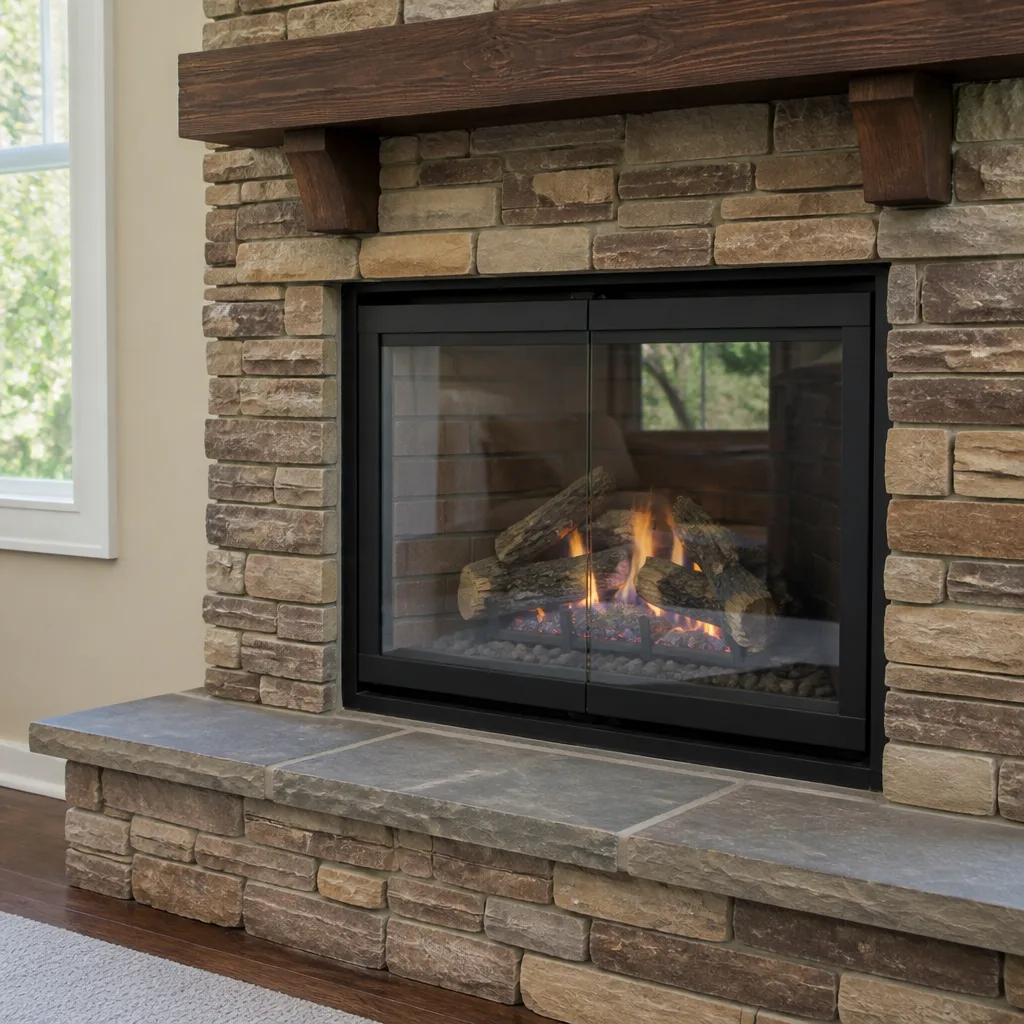 Gas fireplace service
Level 1 sweep and inspection to the NFPA 211 annual standard - flue, crown, cap, and flashing checked and photographed
Chimney sweep logs do not sweep chimneys. They loosen some creosote - which then falls where a brush and vacuum still have to collect it.
Chimney Cleaning Warning Signs: A Ventura Homeowner’s Reference Guide
A persistent campfire smell in your living room on a warm Ventura afternoon, with no fire burning, is a more reliable early warning sign of creosote buildup than any visible symptom. Most homeowners shrug it off as normal. It isn’t. This guide walks you through what your chimney is trying to tell you through smell, sight, sound, and smoke behavior, so you can sort an easy sweep from a real hazard before it becomes one. For a deeper dive, see our Complete Guide to Chimney Cleaning in Ventura. We’ll cover the warning signs specific to coastal Ventura homes, which ones mean schedule a cleaning, and which ones mean stop using the fireplace and call today.
Styles & brands we work with
Quick Answer
The most common warning signs that a Ventura chimney needs cleaning are a campfire smell when no fire is burning, dark flaky creosote visible on the damper or firebox walls, smoke pushing back into the room during startup, and a crackling or popping sound that continues after the fire is lit. If you notice any of these, schedule a Chimney Sweep in Ventura before your next fire. A sulfur or rotten-egg smell, or smoke rolling into the room during normal operation, means stop using the fireplace and call a professional today.
Table of Contents
- The Smell Test: What Different Chimney Odors Actually Mean
- Puffback: When Smoke Pushes Into the Room
- Visual Signs From Outside: Staining, Efflorescence, and Crown Damage
- Visual Signs Inside: Creosote, Flaking, and Damper Problems
- Sound Warnings: Animals, Popping, and the Crackle of Creosote Combustion
- Schedule Soon vs. Stop Using and Call Today
- What Makes Ventura Chimneys Different
- Common Mistakes to Avoid
- When to Call a Professional
- Frequently Asked Questions
- The Bottom Line
The Smell Test: What Different Chimney Odors Actually Mean
Your nose is the most underrated diagnostic tool you own. Chimney odors are specific, and once you know what each one signals, you can tell the difference between a routine sweep and a structural problem without touching a thing. If you’re weighing whether to tackle it yourself, our DIY vs Professional Chimney Cleaning guide breaks down what homeowners can safely check and what requires a certified sweep.
Campfire smell, no fire burning. This is the classic creosote signal. Creosote is the tar-like residue that condenses from wood smoke onto your flue walls. In Ventura’s coastal climate, the problem gets worse during humid stretches: moisture in the air gets pulled into the flue, mixes with creosote, and amplifies the odor. You’ll notice it most on warm afternoons when the house is closed up, or on damp, foggy mornings. It means the flue has enough buildup that it’s off-gassing into your living space. Schedule a sweep.
Sulfur or rotten-egg smell. This is not a cleaning issue. It signals a gas leak or a blocked flue trapping combustion gases from a gas appliance or gas fireplace. Stop using the fireplace immediately, ventilate the room, and call a professional. This is a “do not wait” situation.
Asphalt or tar smell, especially during a fire. This is a Stage 3 creosote indicator. Stage 3 creosote is the hardened, glazed form that looks like black glass and smells like hot asphalt when heated. It’s the most dangerous form because it burns extremely hot and is nearly impossible to remove with standard brushes. If you smell tar during a fire, the flue needs professional attention, and you should not burn again until it’s addressed.
Musty or animal smell. Usually means something has taken up residence. In Ventura, we see raccoons, squirrels, and chimney swifts nesting in uncapped flues year-round. A musty odor can also mean debris is trapping moisture against the flue liner. Either way, the chimney needs to be inspected and cleaned before use.
Puffback: When Smoke Pushes Into the Room
A puffback is exactly what it sounds like: a small puff of smoke that pushes back into the room, usually right when you light the fire or when a strong gust hits. Many homeowners dismiss it as operator error. Sometimes it is. But understanding the difference matters.
When it’s probably just startup. A cold flue has a hard time establishing draft. Warm air rises, and when the flue is cold and full of dense, heavy air, the smoke has nowhere to go for the first minute or two. Most people solve this by cracking a window, pre-warming the flue with a rolled-up newspaper held near the open damper, or opening the damper fully before lighting. If the smoke clears within 60 seconds and doesn’t return, it’s likely a draft issue, not a safety hazard.
When it’s a real problem. If smoke pushes into the room throughout the fire, or if it happens on windy days, that signals restricted airflow. Common causes include thick creosote narrowing the flue, a partially closed damper, a clogged spark arrestor at the top, or a chimney cap covered in debris. In Ventura’s East End and Midtown, where many homes have older chimneys originally built for wood and later converted to gas, we also see improperly sized flue liners causing chronic draw problems.
Here’s the test: light the fire. If smoke enters the room and stays, or worsens, open the damper fully and confirm it’s actually open (you’d be surprised how often a disconnected damper handle means the plate is stuck half-shut). If the smoke continues, the flue is not drawing properly and should be inspected before your next fire.
Visual Signs From Outside: Staining, Efflorescence, and Crown Damage
Most chimney problems show up outside long before they’re visible inside. You can do a useful inspection from the ground without a ladder.
Dark staining on exterior brick or siding
Black or brown staining on the chimney exterior, especially around the crown or just below the top, usually means the flue gases are not exiting cleanly. Water mixed with soot is running down the outside instead of up and out. On Ventura homes near the coast, this is often paired with salt air accelerating brick erosion, so staining is worth checking sooner rather than later.
Efflorescence: white, chalky deposits on brick
Efflorescence is the white powdery residue left behind when water migrates through masonry and evaporates, leaving mineral salts on the surface. It tells you moisture is getting into the brick. That matters in Ventura because our wet winters and foggy springs mean brick chimneys go through repeated soak-and-dry cycles. The moisture itself weakens mortar, but the bigger concern is what that trapped moisture does when the chimney gets hot: steam pressure inside the masonry can cause spalling, which we’ll get to in a moment.
A spalling crown, spotted from the ground
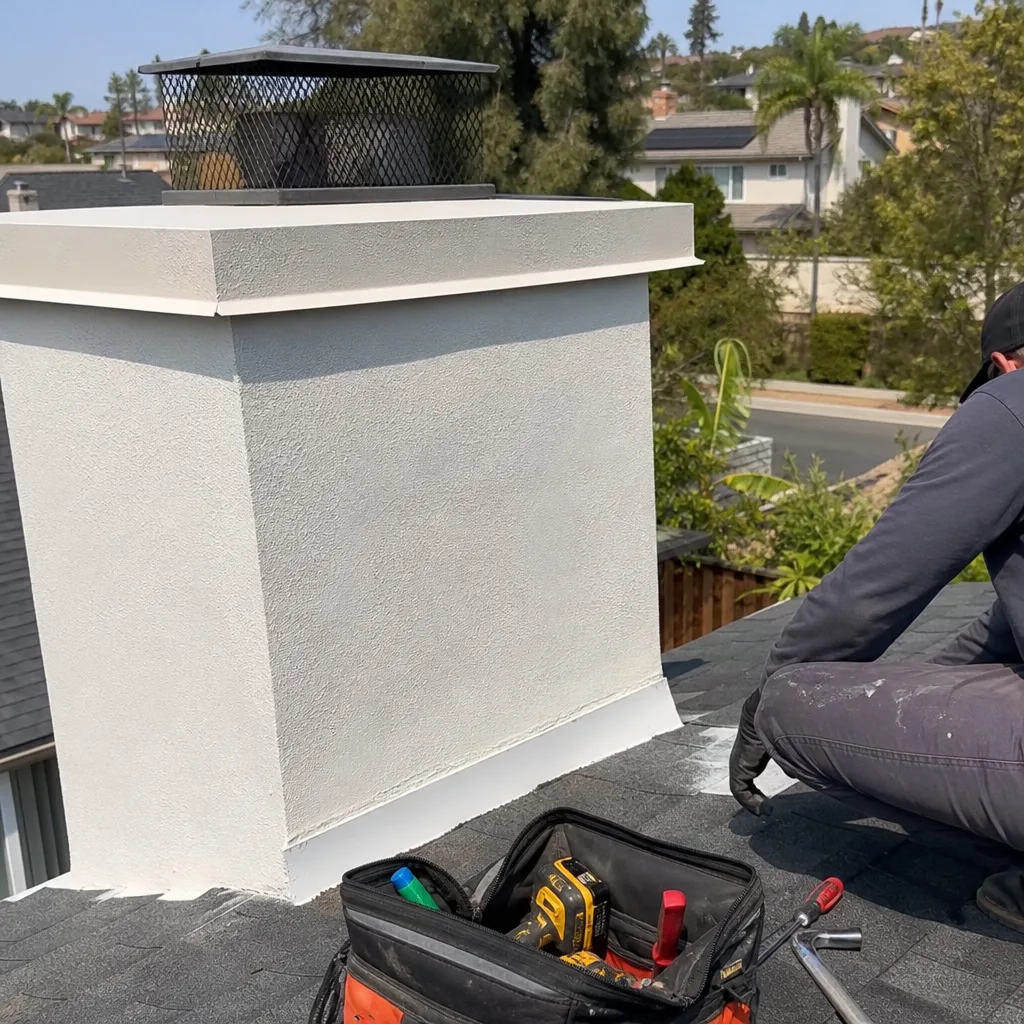
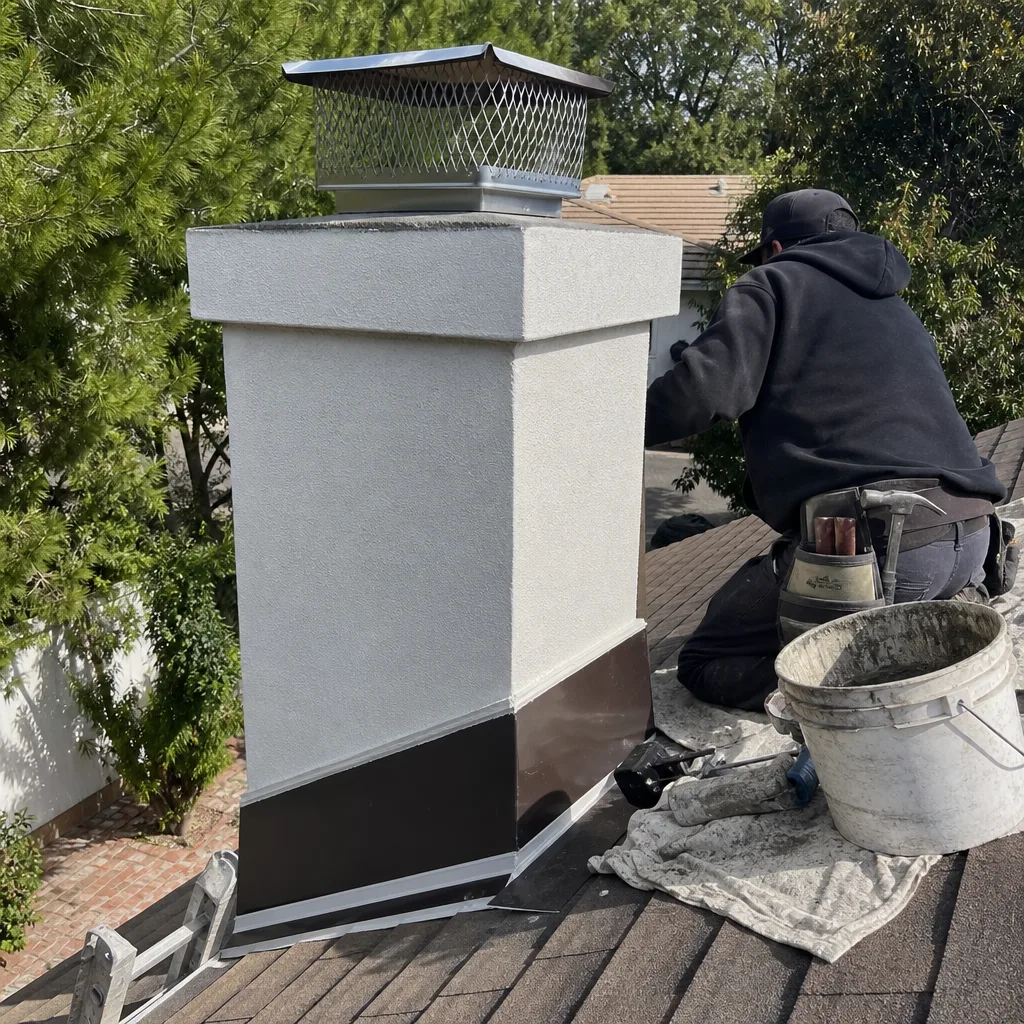
The crown is the concrete cap at the top of the chimney. It’s designed to shed water away from the flue and the brick. When a crown starts to fail, you’ll see cracks, missing chunks, or a pitted, crumbling surface. From the ground, look for pieces of concrete on the roof near the chimney, or a crown that looks uneven or worn. A failed crown lets water run directly down the flue and into the smoke shelf, which accelerates creosote buildup and can rust out a metal damper in a couple of seasons.
Cracked or missing mortar joints
If you can see gaps in the mortar between bricks from the ground, that’s a problem you can see, which means it’s likely been developing for a while. Gaps let water in and let heat out. In Ventura’s older neighborhoods like Midtown and the Avenues, many chimneys are 60 to 80 years old, and mortar simply wears out.
If you spot any of these exterior issues, a Chimney Inspection in Ventura is the right next step. Exterior damage rarely fixes itself, and it usually points to issues inside the flue.
Visual Signs Inside: Creosote, Flaking, and Damper Problems
You don’t need to climb onto the roof to spot internal warning signs. A quick look inside the firebox with a flashlight will tell you a lot.
- Open the damper and look up. Use a bright flashlight. If you see a black, shiny glaze on the flue walls, that’s Stage 3 creosote. It’s the dangerous kind. A professional-grade sweep is required.
- Check the firebox walls. Dark brown or black flaky buildup is normal creosote. A quarter-inch is the point where the National Fire Protection Association recommends cleaning. If it’s thicker than a credit card, schedule a sweep.
- Look for flaking white or gray material inside the firebox. This can be deteriorated refractory panels or, in older chimneys, broken terracotta flue tiles. Flaking material means the firebox lining is degrading and should be evaluated.
- Test the damper. Open and close it fully. It should move smoothly and seal reasonably well when closed. A stiff, rusted, or misaligned damper is common in Ventura homes where coastal moisture has been at work for decades.
- Check for water stains inside the firebox. Rust-colored streaks or water marks tell you water is getting in from above, usually through a damaged crown or missing chimney cap.
One note: if you have a gas fireplace, the signs are different. Soot accumulation on gas logs, a pilot light that burns yellow instead of blue, or a musty smell after the gas has been on for a while all indicate incomplete combustion or venting problems. That’s a Gas Fireplace Repair in Ventura situation, not a standard sweep.
Sound Warnings: Animals, Popping, and the Crackle of Creosote Combustion
Chimneys make sounds. Some are harmless. A few are not.
Animal sounds: scratching, flapping, chirping
If you hear scratching or flapping coming from the chimney, especially in the early morning or evening, you likely have a nest. In Ventura, chimney swifts are federally protected, which means you cannot disturb an active nest. The right move is to note whether the sound is constant (likely a larger animal or debris) and schedule an inspection. Once the animal is addressed, a proper cap with a spark arrestor prevents it from happening again. We recommend Olympia Chimney caps for coastal homes because the stainless construction holds up well to salt air.
Structural popping during fires
As a chimney heats up, you’ll sometimes hear a series of pops or pings. This is thermal expansion: brick and metal expand at different rates. An occasional pop during the first 10 to 15 minutes of a fire is usually normal. But if the popping is loud, repeats throughout the fire, or is paired with visible cracks or loose mortar outside, that’s the sound of structural stress. Older Ventura chimneys are particularly prone because years of coastal moisture have compromised the mortar.
The specific crackle of active creosote combustion
This is the sound you never want to hear. A chimney fire sounds less like a campfire and more like a freight train or a low rumble, sometimes with loud cracking and popping coming from inside the flue. If you hear this, leave the house and call 911. Do not attempt to extinguish it with water, which can crack the flue and make the fire worse. The most common cause is thick creosote that has ignited. After the fire is out, the chimney must be professionally inspected before it’s used again. In many cases, the flue liner is damaged, and a product like DuraFlex is needed to reline it properly.
Schedule Soon vs. Stop Using and Call Today
Not every warning sign is an emergency. Here’s how to sort them.
Schedule soon (safe to wait a few weeks, but not burn in the meantime)
- Campfire smell with no fire burning
- Visible creosote buildup thicker than a credit card
- A damper that’s stiff or doesn’t seal well
- Animal sounds or musty odors suggesting a nest
- Minor efflorescence on exterior brick
- Occasional puffback at startup that clears within a minute
Stop using and call today (do not burn again until professionally addressed)
- Sulfur or rotten-egg smell
- Smoke rolling into the room throughout a fire
- Tar or asphalt smell during operation
- Loud popping, rumbling, or roaring from the chimney during a fire
- Visible Stage 3 glazed creosote
- A spalling crown with visible missing concrete
If you’re not sure which category you’re in, err on the side of caution. A Chimney Inspection in Ventura costs far less than repairing a chimney fire or a carbon monoxide event.
What Makes Ventura Chimneys Different
Ventura’s climate does specific things to chimneys that you won’t see in the valley. Coastal humidity means creosote absorbs moisture and smells more strongly here than in dryer inland areas. Salt air corrodes metal components like caps, dampers, and flashing faster than homeowners who moved from places like Bakersfield or Palmdale might expect. And our foggy May and June pattern means chimneys go weeks at a time without fully drying out.
We also see a specific pattern in Ventura’s older housing stock. Homes in Midtown and the Avenues often have unlined or clay-tile-lined flues that were built for wood burning. When homeowners switch to gas inserts or gas logs, the old flue is often improperly sized or unlined for the new appliance, which creates condensation, corrosion, and venting problems that a standard sweep won’t fix. If you’ve bought an older Ventura home and haven’t had the chimney specifically inspected for your current fuel type, that’s worth doing once before you use it.
The good news: most of these problems are fixable early. A properly installed cap from Famco or Olympia Chimney handles the animal and moisture issues. A reline with DuraFlex brings an older flue up to current standards. The key is checking before you burn, not after.
Common Mistakes to Avoid
- Assuming a campfire smell is normal. It’s the most common misread we see in Ventura homes. That smell means creosote is off-gassing into your living space, and it only gets worse through the humid months. A sweep eliminates it.
- Burning a fire to “burn off” the creosote. This is dangerous. Creosote doesn’t burn off in a controlled way. It either stays, catching more buildup, or it ignites all at once as a chimney fire. The only safe way to remove creosote is mechanical cleaning.
- Waiting until fall to think about the chimney. Ventura’s marine layer means spring and summer are actually the ideal time to schedule a sweep. The flue is dry, the creosote is brittle and easier to remove, and you’ll catch issues before the busy season.
- Ignoring exterior signs because the fire “works fine.” A fire can work fine while the crown is failing and water is quietly deteriorating the flue liner from the inside. Exterior damage is a leading indicator, not a side note.
- Using the fireplace as a trash incinerator. Burning wrapping paper, cardboard, or pizza boxes creates thick, sticky creosote faster than almost anything else. These materials also produce flying embers that can ignite any existing buildup.
- Assuming the previous owner maintained the chimney. In home sale transactions, many Ventura buyers skip the chimney inspection. We routinely find years of deferred maintenance in homes that were otherwise well cared for.
- Trusting a duct-cleaning company or handyman to sweep the chimney. Chimney sweeping is a specific trade with its own standards, tools, and inspection practices. A proper sweep includes a full flue inspection, not just a brush run up the pipe.
When to Call a Professional
Call a professional the moment you notice any of the “stop using and call today” signs above: sulfur smell, smoke rolling into the room, rumbling or roaring from the flue, or visible glazed creosote. These are not DIY situations. Call if you hear animal activity, if you’ve lived in the home more than a year without a sweeping, or if you’ve never had the chimney inspected since buying the home. And call if the fireplace just doesn’t behave the way it used to: weaker draft, more smoke, odd smells, visible staining. For more guides & resources on keeping your chimney safe, visit our blog. Alcott Chimney Ventura offers free estimates in Ventura; call (559) 282-2695 and a live person will answer.
Frequently Asked Questions
A standard chimney sweep in Ventura typically runs between $180 and $340, depending on the flue type, accessibility, and how much creosote has built up. That price includes a visual inspection of the accessible flue areas at most reputable companies. If significant Stage 3 glazed creosote is present, expect additional cost because removal requires specialized tools and more time. For an exact quote, call (559) 282-2695. Estimates are free.
The National Fire Protection Association recommends a chimney be swept when creosote reaches one-quarter inch of buildup, but for most Ventura homeowners who burn wood regularly, that translates to once per year before burning season. If you burn occasionally or have a gas fireplace, every two to three years is often sufficient, but an annual inspection is still worth doing. Alcott Chimney Ventura home page covers our full service area and seasonal scheduling.
Yes. Open the damper, shine a flashlight up the flue, and look for dark buildup on the flue walls. If it’s thicker than a credit card, it’s time. Also pay attention to the smell test: a campfire odor with no fire burning is a reliable sign of creosote. If you see or smell either, call (559) 282-2695 for a professional assessment.
Because creosote is hygroscopic, meaning it absorbs moisture. During Ventura’s humid, foggy periods, the creosote in your flue pulls moisture from the air and becomes much more aromatic, releasing that campfire smell into the house even when the fireplace has been cold for months. The fix is a thorough sweeping to remove the creosote that’s causing the odor.
Yes. A stainless steel cap, like those made by Olympia Chimney or Famco, keeps out rain, leaves, birds, and rodents. Without one, Ventura’s winter rains run straight down the flue, mixing with creosote and accelerating liner deterioration. A cap with a spark arrestor is the standard recommendation for wood-burning fireplaces.
Best case, you get worsening odors, weak draft, and smoke issues. Worst case, the creosote ignites, causing a chimney fire that can crack the flue liner, damage the surrounding structure, and send embers onto your roof. Between those extremes, you also risk carbon monoxide backup if the flue gets fully blocked. A sweep costs a few hundred dollars. A chimney fire costs thousands. Call (559) 282-2695 to schedule.
The Bottom Line
Your chimney gives you clear warning signs, and most of them are things you can smell, see, or hear without any special training. A campfire smell with no fire, creosote thicker than a credit card, smoke pushing into the room, animal sounds, or a tar-like smell during burning are all signals to act. In Ventura’s coastal climate, water and humidity aggressively accelerate these problems, so check sooner rather than later. When in doubt, call (559) 282-2695. A professional inspection is cheaper than a chimney fire, and you’ll know exactly what you’re dealing with before you burn again.
Written by Ruben Castellano, Owner at Alcott Chimney Ventura, serving Ventura since 2002.
See the difference
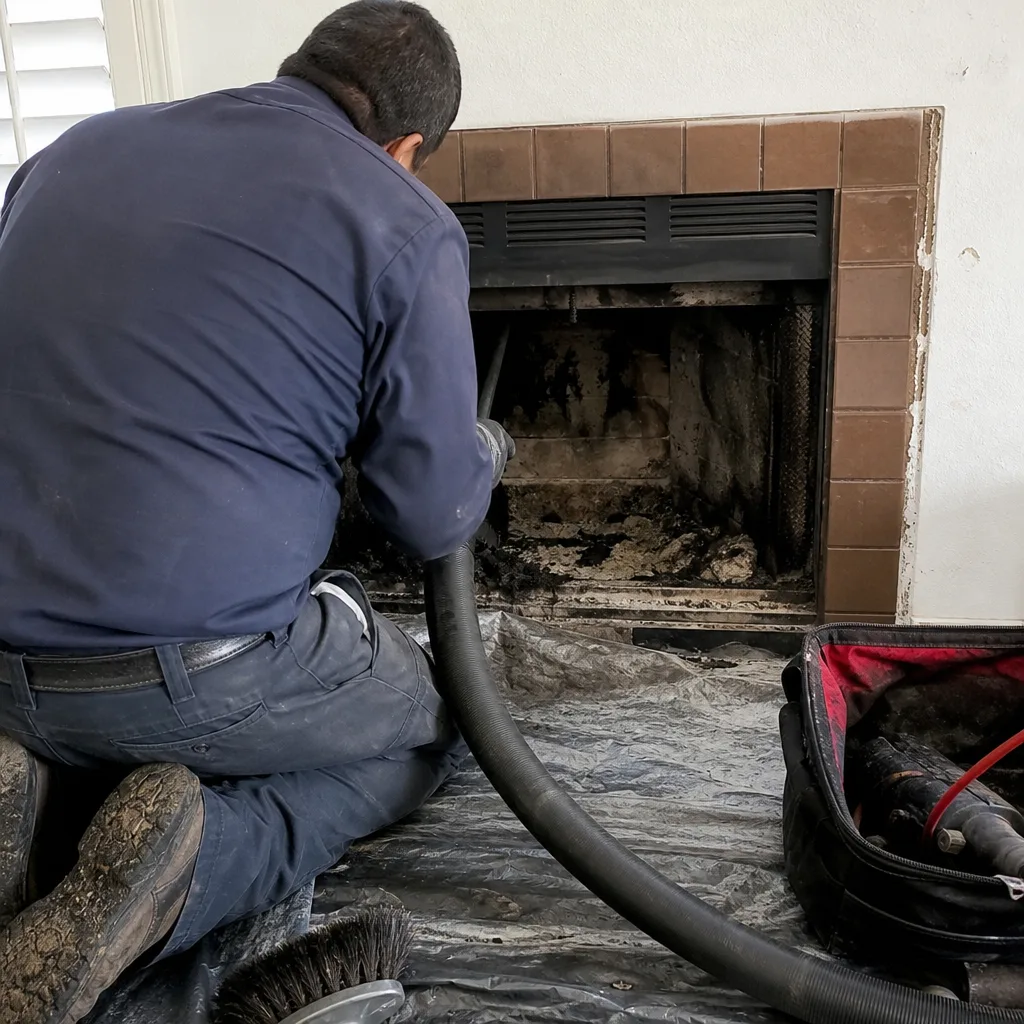 Before
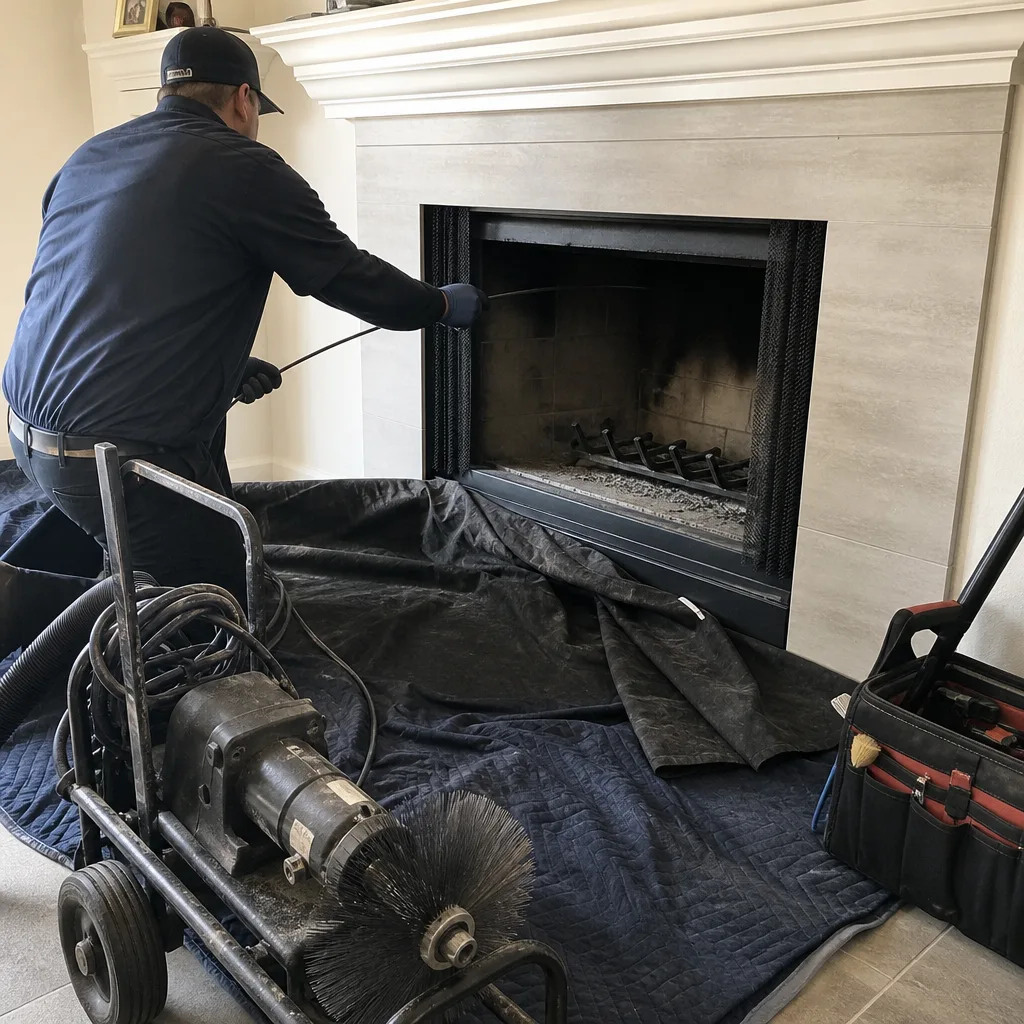 After
After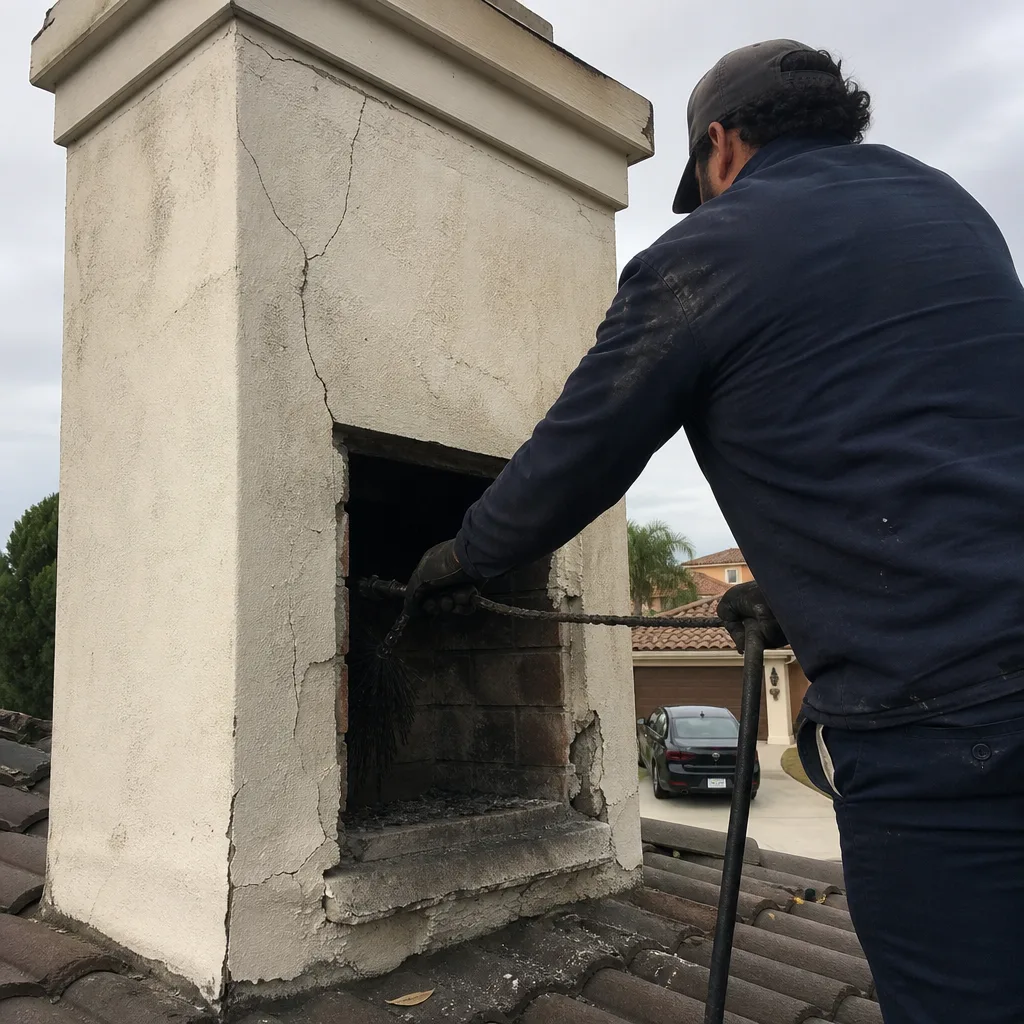 Before
 After
After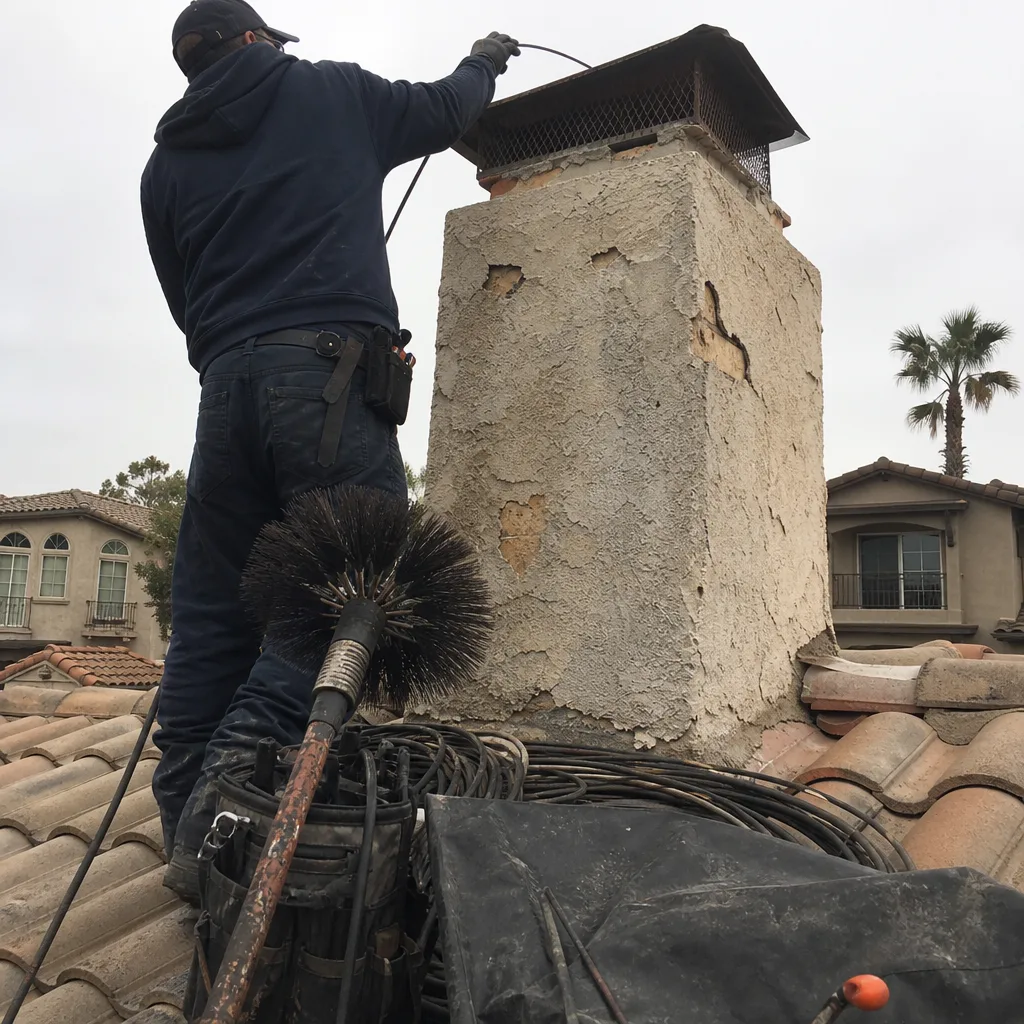 Before
 After
After