
Last updated October 15, 2026
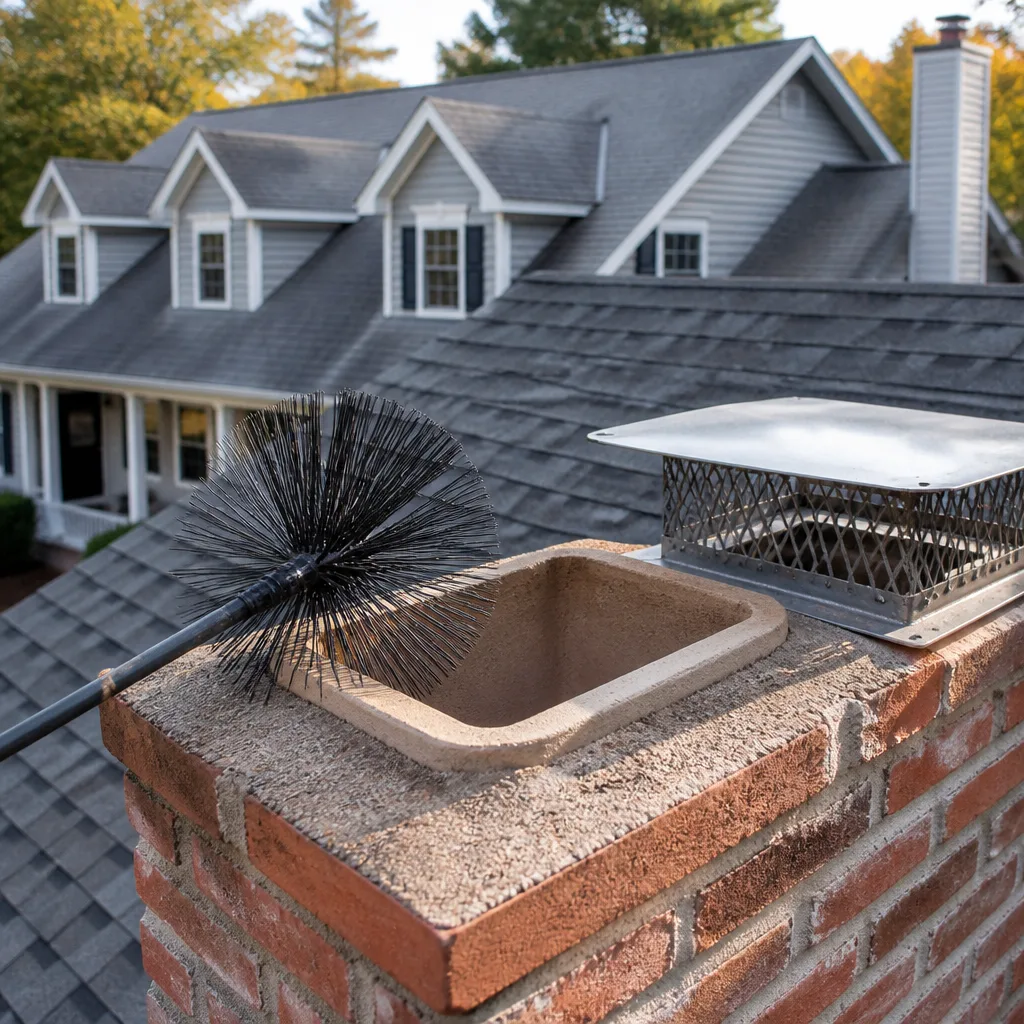 Sweep & inspection
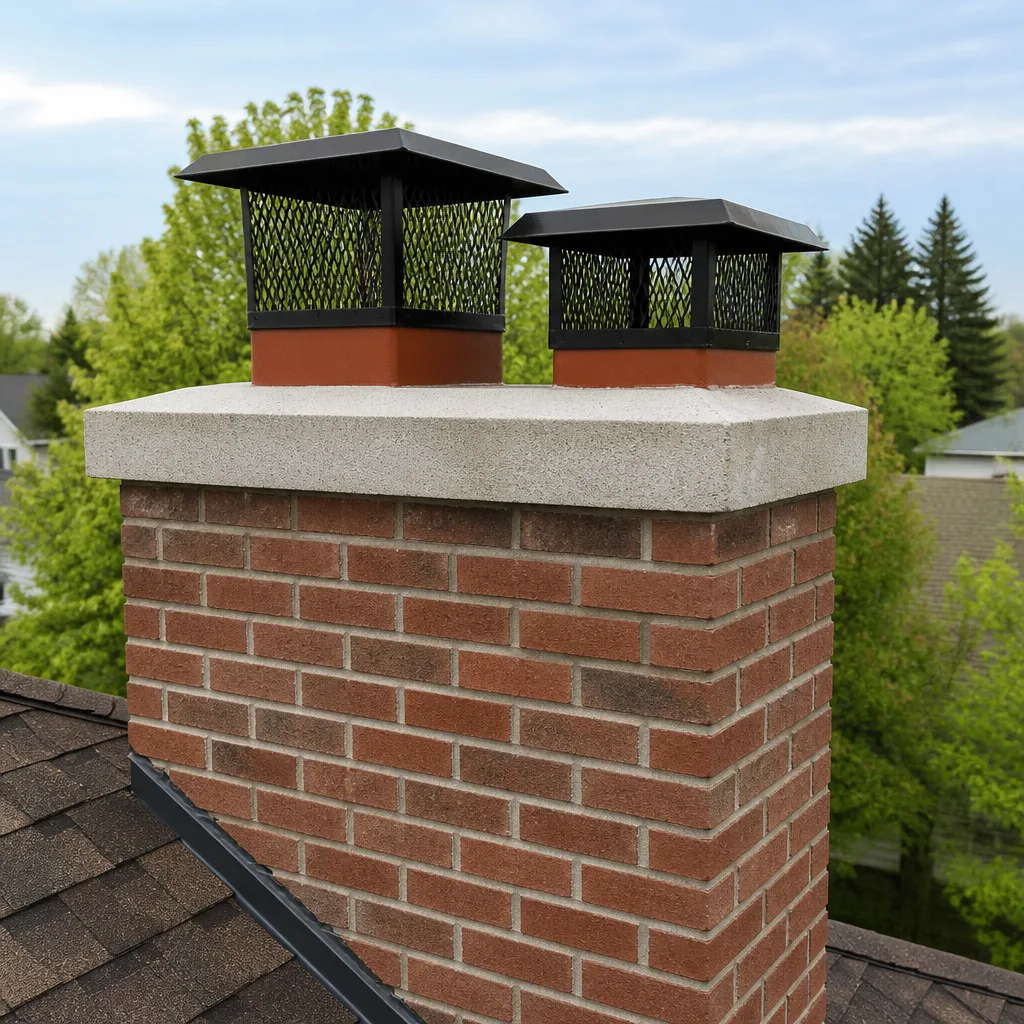 Caps & crowns
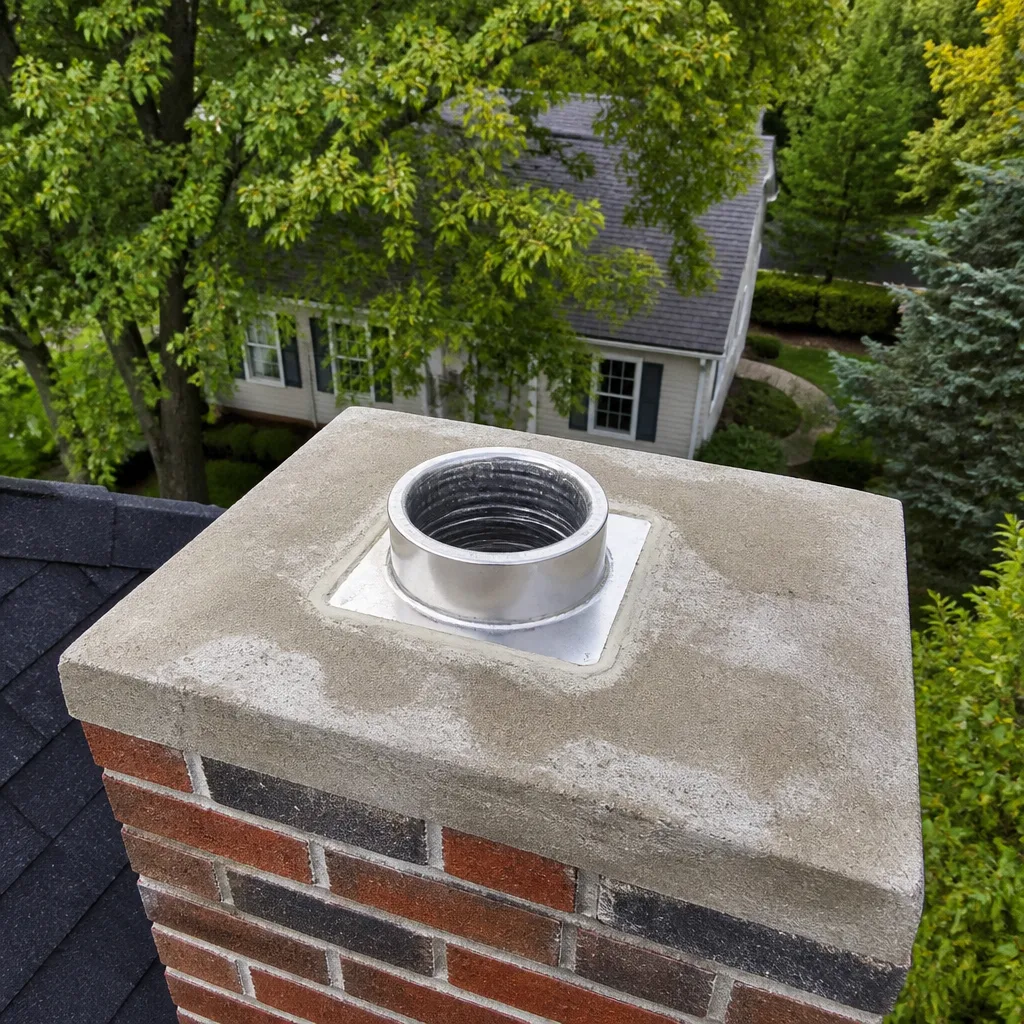 Flue relining
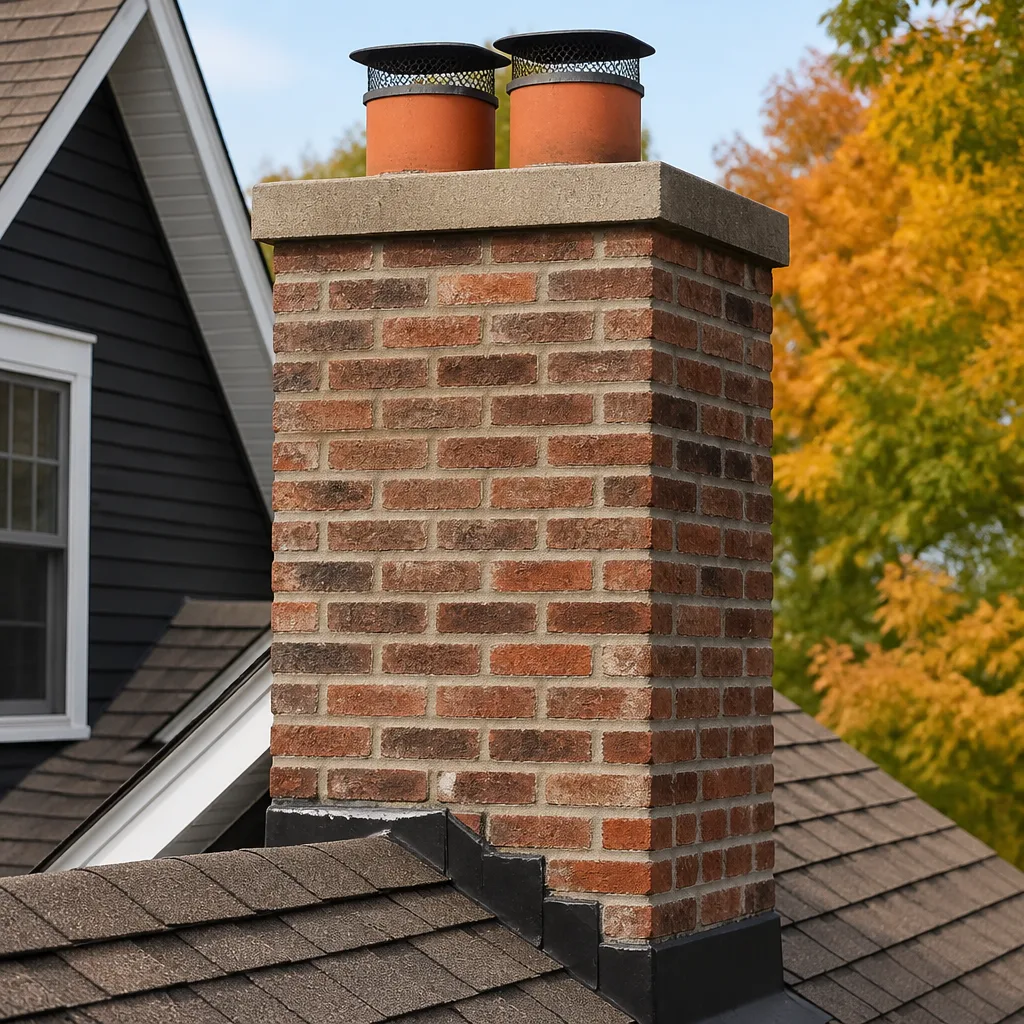 Masonry repair
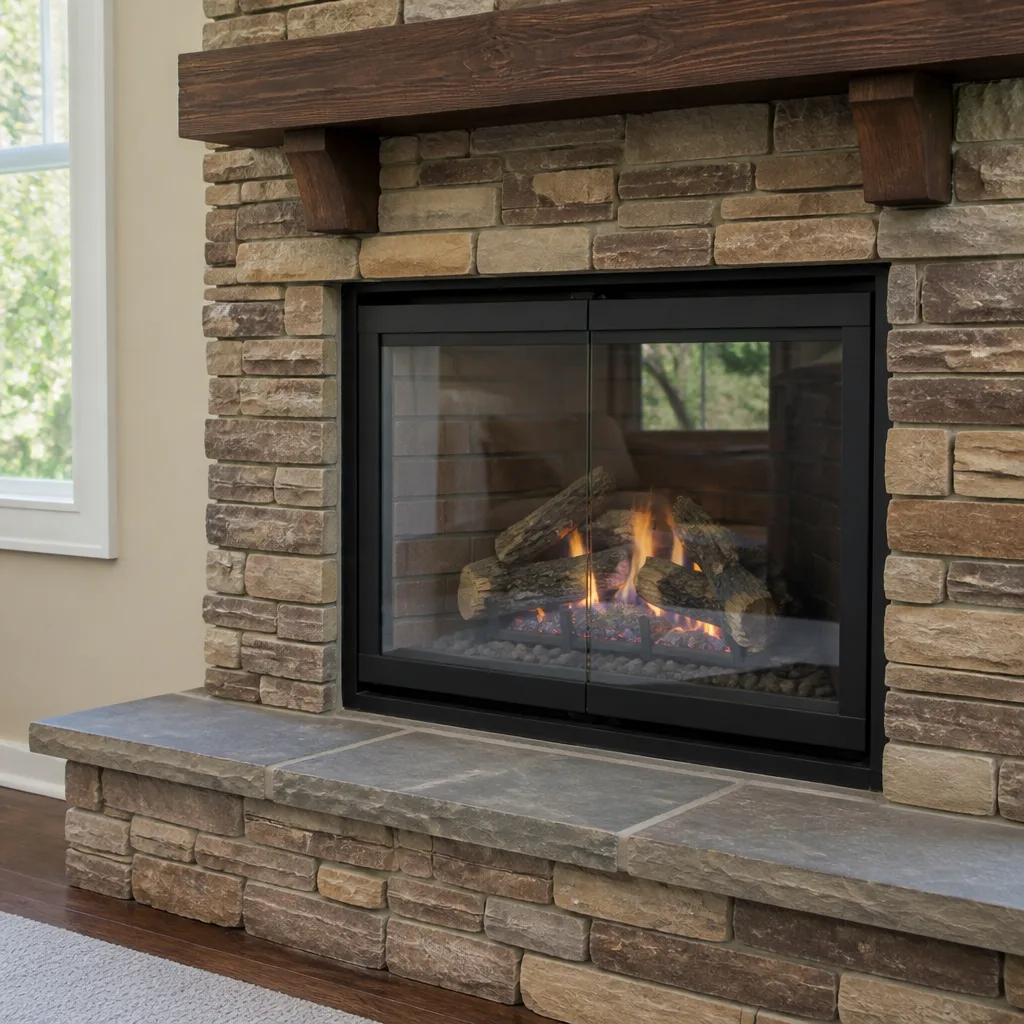 Gas fireplace service
Level 1 sweep and inspection to the NFPA 211 annual standard - flue, crown, cap, and flashing checked and photographed
Chimney sweep logs do not sweep chimneys. They loosen some creosote - which then falls where a brush and vacuum still have to collect it.
Seasonal Chimney Cleaning Care for Ventura: Year-Round Homeowner’s Guide
Most Ventura homeowners clean their chimney in October because that’s what the national advice says. But by October, the damage window has already opened. Santa Ana winds typically begin in September, and when they blow, they strip loose mortar, wedge debris into caps, and push soot and creosote back through dampers that haven’t been checked since spring. This guide maps chimney care to Ventura’s actual climate calendar – marine layer, wind season, brief winter use, and the long dry off-season – so you know exactly when to act and what to look for. For Chimney Cleaning Warning Signs: A Ventura Homeowner’s Reference Guide and more guides & resources, see our blog.
Styles & brands we work with
Quick Answer
Seasonal chimney care in Ventura means scheduling your annual sweep and inspection in late summer (August to early September), before Santa Ana winds and wildfire season peak, rather than waiting for fall. Ventura’s marine layer, Santa Ana wind patterns, and a short 3-4 month burn season create four distinct risk windows that each require different attention: late summer prep, fall wind hardening, winter burn monitoring, and spring shutdown inspection.
Table of Contents
- Why Ventura’s Climate Changes the Chimney Care Calendar
- Late Summer (August – September): The Optimal Cleaning Window
- Fall (September – November): Santa Ana Wind and Fire Season Hardening
- Winter (December – February): The Actual-Use Window and Creosote Reality
- Spring (March – May): Post-Season Shutdown Before the Long Dry Spell
- June Gloom and the Marine Layer: What It Does to Your Crown and Cap
- What Seasonal Chimney Care Costs in Ventura
- Common Mistakes to Avoid
- When to Call a Professional
- Frequently Asked Questions
- The Bottom Line
Why Ventura’s Climate Changes the Chimney Care Calendar
Ventura doesn’t get the four seasons that national chimney care guides assume. We don’t have a long snowy winter that coats flues in creosote, and we don’t have a crisp fall that signals “time to clean.” What we have instead is a coastal Mediterranean climate with four distinct chimney risk periods: a damp marine-layer season, a hot dry wind season, a short burn season, and a long idle season where neglect accumulates. If you follow generic advice, you’ll act at the wrong time and miss problems that sit exposed for months.
Here’s the reality of how Ventura’s weather actually interacts with your chimney:
- Marine layer (May through August): Persistent fog and coastal moisture keep masonry damp. Water absorbs into unprotected brick and crown mortar, then expands in afternoon heat, causing slow cracking. This is the most underrated chimney risk in Ventura.
- Santa Ana winds (September through November): Hot, dry, sustained winds from the east hit chimneys from an angle most caps aren’t designed for. They drive debris, ash, and embers into flues, stress dampers, and expose any crown damage the marine layer started.
- Fire season (year-round, peaks September – December): Ventura County’s wildfire danger pushes chimney ember control from “best practice” to “safety requirement.” Your spark arrestor isn’t optional here.
- Short burn season (December through February): Most Ventura homeowners burn 15 to 20 fires per season, which produces far less creosote than a cold-climate chimney, but creates different risks: long idle periods before and after let moisture and pests settle in.
Understanding this pattern changes when and how you should care for your chimney. The timeline below walks through each window in order, starting with the one that matters most: late summer.
Late Summer (August – September): The Optimal Cleaning Window
A standard chimney sweep and inspection in Ventura typically runs $180 to $280 before any repairs, and late summer is when you want to book it. See our Chimney Cleaning Cost Breakdown: The Ventura Homeowner’s Reference for 2026 for full pricing details. Here’s why: by August, the marine layer has spent three months keeping masonry damp, and the first Santa Ana winds are weeks away. You want the flue clean, the cap secure, and the crown sealed before those winds hit. If you wait until October, you’re cleaning after the dry wind has already driven debris into the flue and tested every weak spot in your cap.
What a late-summer sweep and inspection should include:
- Creosote removal: Even a light burn season leaves a glaze inside the flue. Creosote is the tar-like buildup that causes chimney fires, and it’s easier to remove when it’s dry and flaky – which is exactly what a Ventura summer produces.
- Cap and spark arrestor check: Summer marine layer moisture accelerates rust on steel caps. We look for pinholes, loose mounting brackets, and spark arrestor mesh gaps larger than 3/4 inch – the size that lets embers through.
- Crown inspection: The concrete slab that seals the top of the chimney takes the brunt of coastal moisture. Hairline cracks in August can become water entry points by November.
- Damper test: Summer is when dampers seize from rust or debris. A damper that doesn’t seal fully wastes cooled air all winter and lets Santa Ana winds whistle into your living room.
- Animal check: Ventura’s coastal canyons are home to nesting birds, squirrels, and raccoons that find uncapped or damaged chimneys during the quiet spring and summer months. August is when you evict them before they’re trapped by the first fires of the season.
If you only do one thing on this list this year, make it the late-summer sweep and inspection. Everything else in this guide builds on getting this timing right. And if you’re new to Ventura or just bought a home here, start with a Chimney Inspection in Ventura so you know exactly what condition the flue is in before the burn season starts.
Fall (September – November): Santa Ana Wind and Fire Season Hardening
Santa Ana winds in Ventura regularly sustain 30 to 50 mph with gusts higher, and they hit chimneys with a force that most parts of the country never experience. These aren’t gentle breezes; they’re sustained pressure tests on every component of your chimney system, and they arrive during the driest part of the year when fire risk is already extreme. Fall chimney care in Ventura is less about cleaning and more about confirming the system can withstand what’s coming.
What Santa Ana Winds Do to Your Chimney
- Debris intrusion: Eucalyptus bark, palm fronds, and loose roof tiles get airborne during high-wind events and land on caps and crowns. One windstorm can pack enough debris into an uncapped flue to block it entirely.
- Backdraft pressure: Sustained wind hitting the side of a chimney creates negative pressure at the top and can pull smoke, ash, and even embers backward through the damper into the house during a fire. A properly sealed damper and a correctly designed cap are your only defense.
- Ember carry: In fire season, wind-driven embers travel miles. A chimney with gaps in the spark arrestor mesh, a missing cap, or a cracked crown can catch embers inside the flue or against exposed framing.
- Mortar erosion: Dry winds strip moisture from masonry and accelerate spalling – the flaking and crumbling of brick and mortar that started when marine layer moisture got in during summer.
Your Fall Chimney Checklist
- Confirm the cap is intact: Walk around the house with binoculars or have someone from the ground level look at the chimney top. Look for a tilted cap, missing sections, or daylight through the spark arrestor mesh. If you can’t see clearly, a professional inspection is the alternative.
- Check the damper seal: Open and close the damper fully. If it sticks, grinds, or doesn’t close flush, Santa Ana winds will enter the house through the firebox. A seized damper is a $150 – $300 repair; the heated and cooled air you lose over one winter costs more.
- Clear the firebox and hearth: Remove any summer accumulation of dust, spider webs, or debris that could ignite on the first fire. Vacuum ash from the firebox floor.
- Test smoke draw: On a mild day before you need a fire, twist a sheet of newspaper into a torch, light it, and hold it inside the firebox opening. Smoke should pull up the flue, not spill into the room. If it spills, you have a blockage or a drafting problem, and you need attention before burn season begins.
If your late-summer cleaning was skipped, fall is the second-best window – but know that you’re doing cleanup and wind preparation at the same time, and the flue will already have three months of marine layer moisture and early-wind debris in it. A Chimney Sweep in Ventura can handle both in a single visit.
Winter (December – February): The Actual-Use Window and Creosote Reality
Ventura’s burn season is short – roughly December through February, with occasional fires on either end. Most homeowners here burn 15 to 20 fires per season, not the 60 to 80 that colder climates produce. That lower volume means creosote accumulates more slowly, which is good, but it also means chimneys sit idle for nine months of the year, which creates different problems. The winter window is when dormant issues become active problems, and when you’ll notice things you missed all year.
Does 15 – 20 Fires a Season Require a Mid-Season Cleaning?
For most Ventura homeowners, no. A properly cleaned flue at the start of the season, burning dry seasoned wood, will handle 15 to 20 fires without reaching dangerous creosote thresholds. But there are exceptions where a mid-season sweep matters:
- You’re burning unseasoned wood: Wood needs 6 to 12 months to dry after cutting. Burning damp wood produces heavy, sticky creosote that builds fast – even in 15 fires.
- You smell smoke in the house during fires: That means the flue isn’t drawing properly, which often indicates partial blockage or a creosote glaze reducing the flue’s draft.
- You hear or see animals: The first cold nights send rodents and raccoons into warm chimneys. If you hear scratching or smell animal waste near the firebox, stop burning and get an inspection.
- You’ve burned more than expected: A cold streak, visiting family, or just the pleasure of a fire every night can double your burn count. If you’re past 30 fires by February, schedule a mid-winter check.
Signs of a Problem During Burn Season
- Smoke spillage into the room: Never ignore this. It can indicate a blocked flue, a failed damper, or a draft problem caused by wind direction. Smoke in the living space is a carbon monoxide concern.
- A strong, sharp odor near the firebox: Creosote and soot have a distinct, acrid smell that gets stronger as buildup increases. If you notice it when the fire isn’t lit, you’re smelling accumulation.
- Loud cracking or popping that isn’t just wood: Normal wood fires crackle. A chimney fire sounds different – a low rumble, like a freight train, or loud popping from the flue itself. If you hear this, close the damper and air vents, evacuate, and call 911.
- White staining on exterior brick: Efflorescence – white fuzzy deposits on masonry – appears when water is being pulled through the chimney structure. It’s common in winter when warm flue gases meet cool damp exterior brick.
If you’re burning regularly and haven’t had a sweep since before summer, schedule one now. Winter is the worst time to discover your flue was blocked by a bird’s nest built in May.
Spring (March – May): Post-Season Shutdown Before the Long Dry Spell
When you close up your firebox in March or April, you’re putting the chimney to sleep for the next eight months. What you do at this point determines what you find in September. Spring is when you should do a final assessment, handle any repairs you noticed during the burn season, and prepare the system for the marine layer and summer heat without the protection of regular use.
Your Spring Shutdown Checklist
- Close the damper fully: A damper left open all summer lets marine layer moisture flow into the house and gives animals a clean entry route into the flue. Close it, then tape a note to the firebox if you’re the kind of person who forgets between seasons.
- Remove ash: Ash left in the firebox all summer absorbs moisture from the air and becomes corrosive. Wood ash is slightly acidic, and damp ash sitting against steel or cast iron for eight months causes rust. Remove it completely.
- Inspect what you can see: Look up the flue with a flashlight. Look at the damper plate from below. Look at the firebox walls. Note any cracks, stains, or loose material so you can address it before next burn season.
- Check exterior masonry: Walk around and look at the chimney from ground level. Note any new cracks, missing mortar, or flaking brick. Spring is when winter’s freeze-thaw cycling and winter wind damage become visible.
- Consider a post-season inspection: If you had any issues during winter – smoke spillage, odors, animal sounds – don’t wait until September to address them. Spring is actually the better time to fix chimney problems in Ventura because repair materials cure better in moderate temperatures and you’re not racing the Santa Ana calendar.
Spring repairs benefit from Ventura’s mild weather. Crown sealing, flashing repair, and mortar repointing all set better when daytime temperatures are in the 60s and 70s and overnight lows stay above freezing. Work done in March or April has months to cure before the next burn season.
June Gloom and the Marine Layer: What It Does to Your Crown and Cap
Ventura’s June Gloom isn’t just about overcast mornings and drizzle. It’s a sustained moisture event that runs for weeks, sometimes months, and it has a specific, measurable effect on unprotected chimneys. Here’s the mechanism: marine layer fog deposits moisture on every exposed surface, including your chimney crown, cap, and upper masonry. As the day warms and the fog burns off, that moisture evaporates quickly from the surface. But moisture that’s absorbed into porous concrete, mortar, or cracked brick gets trapped. Each day of this cycle expands and contracts the material, widening hairline cracks until they become channels for water entry.
How to Protect Your Chimney Through June Gloom
- Seal the crown: A properly sealed chimney crown – the concrete slab at the top of the chimney – should have no visible cracks and should be treated with a breathable waterproofing sealant designed for masonry. Cracks allow water to penetrate the chimney structure.
- Check the cap regularly: Steel caps and spark arrestors rust faster in coastal moisture. Look for rust streaks, pinholes, and loose mounting hardware. A cap that is degrading in June is going to fail in September when Santa Ana winds hit it. And a failed cap is an open door for embers during fire season.
- Watch for interior dampness: During heavy June Gloom periods, pay attention to whether the firebox smells musty or shows visible dampness. That’s a sign moisture is getting past the cap or through the crown and running down the flue.
- Don’t ignore efflorescence: White staining on the exterior brick is the visible evidence of water moving through the masonry. It’s common in Ventura on older homes near the coast, and it means the chimney is absorbing moisture that will cause spalling over time.
The marine layer is the least dramatic but most persistent chimney threat in Ventura. It doesn’t produce spectacular failures – no chimney fires, no collapsed caps. It produces slow, incremental water damage that accumulates over years. And by the time you see the damage on the outside, the inside of the masonry is already compromised.
What Seasonal Chimney Care Costs in Ventura
Here’s a straight answer: a standard chimney sweep and Level 1 inspection in Ventura typically runs $180 to $280. If you add a Level 2 inspection – which we recommend if you’ve just bought the home, have changed fuels, or experienced a chimney event – expect $300 to $450. Repairs go up from there, and the range depends on what the inspection finds. Here are the realistic prices you’ll see in the Ventura market:
- Chimney sweep and Level 1 inspection: $180 – $280
- Level 2 inspection (camera scan of flue interior): $300 – $450
- Damper replacement or repair: $150 – $350 depending on type and fit
- Chimney cap replacement (including spark arrestor): $200 – $450 installed
- Crown sealing or minor crown repair: $150 – $400 depending on crack extent
- Flue liner repair or resurfacing (HeatShield or similar system): $1,200 – $3,500 depending on flue size and access
- Full flue liner replacement (DuraFlex or similar stainless system): $2,000 – $5,000 including installation
- Masonry repointing (per section): $500 – $2,000 depending on chimney height and access
What you should never see is a price that changes at the end of the job. At Alcott Chimney Ventura, every customer gets a written price before any work starts – and that’s the price. No surprises, no “we found additional damage while we were up there” with a new number attached. If we find something during the work that needs attention, we stop, show you what we found, and give you a new written price before continuing.
One note on repairs: every repair we complete comes with a written guarantee. If the repair fails within the coverage period, the second visit is free. That’s part of our 365-Day Done Right Promise, and it’s included at no extra charge. Most chimney companies in Ventura charge for return visits; we built the promise to remove that concern entirely.
Common Mistakes to Avoid
- Following the national cleaning calendar: Most advice says “clean in fall before burn season.” In Ventura, that means cleaning after Santa Ana season has already started. Shift your annual sweep to August or early September instead.
- Skipping the spark arrestor check: In Ventura County’s fire-risk environment, a functioning spark arrestor with mesh gaps no larger than 3/4 inch is not optional. It’s the difference between a contained fire and an ember escaping onto a shake roof.
- Leaving the damper open all summer: This one mistake lets marine layer moisture flow into the house for months, invites animals into the flue, and costs you cooled air during Ventura’s summer heat. Close it when you stop burning.
- Burning unseasoned wood because it’s available: Green wood produces heavy creosote even in a short burn season. Ventura doesn’t have the cold winters that force homeowners to be picky about wood, but the chimney consequences are the same regardless of outside temperature.
- Ignoring a musty firebox smell in summer: A damp, musty odor in the firebox during June Gloom or any time of year means water is entering the chimney. The source – cracked crown, rusted cap, failed flashing, or damaged flue liner – won’t fix itself, and it’s cheaper to address in spring or summer than after fall wind damage.
- Assuming a home inspection covered the chimney: Standard home inspections are visual-only and don’t include a camera scan of the flue interior. A Level 2 chimney inspection is a separate service, and it’s the only way to see what’s actually happening inside the flue.
- Deferring repairs until fall: When you notice a crack, a rusted cap, or a sticky damper in March, the impulse is to deal with it “before burn season.” But by September, repair technicians are booked and Santa Ana winds are already testing your weak points. Spring is the right time for chimney repairs in Ventura.
When to Call a Professional
Call a chimney professional when you notice any of these in your Ventura home: smoke entering the room during a fire; a strong creosote or soot odor when the fireplace isn’t in use; visible exterior masonry damage including cracks, flaking brick, or white staining; water or dampness inside the firebox; animals or animal sounds in the chimney; or any time you’ve used the fireplace for a full season without a sweep. Also call if you’re buying a home and want a real assessment of the chimney system before you close. Alcott Chimney Ventura offers free estimates in Ventura – call (559) 282-2695 and a live person will answer, not a voicemail tree.
Frequently Asked Questions
Once a year is right for most Ventura homeowners, and the best time is late summer – August to early September – before Santa Ana winds and fire season. If you burn heavily (more than 25 to 30 fires per season), burn unseasoned wood, or notice any performance issues, you may need a second sweep in January or February. Call (559) 282-2695 to schedule, and you’ll get a written price before any work starts.
Late summer, specifically August, is the optimal window in Ventura. By August, the marine layer season has peaked, early Santa Ana winds haven’t started yet, and you’re getting ahead of fire season instead of reacting to it. A late-summer sweep catches spring and summer animal intrusion, cleans out marine layer moisture damage, and confirms your cap and spark arrestor are ready for fall winds.
Sometimes you do, sometimes you don’t. A legitimate liner recommendation requires camera evidence of the flue interior – visible cracks, gaps between flue tiles, deterioration, or a size mismatch. At Alcott Chimney Ventura, we never recommend a liner replacement without showing you the camera footage and explaining exactly what you’re seeing. If a company tells you the liner needs replacement based on a visual-only inspection or without camera evidence, get a second opinion.
A standard chimney sweep and Level 1 inspection in Ventura typically costs $180 to $280. If a Level 2 camera inspection is needed, expect $300 to $450. The price should include the sweep, the inspection, and a written report. At Alcott Chimney Ventura, you’ll also get a written price before any work begins – not after – and a written guarantee on any repair we complete. Call (559) 282-2695 for an exact quote.
In Ventura’s climate, skipping a year means creosote continues to accumulate during burn season, the marine layer continues its moisture damage through summer, and animal intrusion goes undetected. After two years, you’re likely burning with a partially blocked flue, a compromised crown, and a cap that may have failed. The risk isn’t theoretical – chimney fires in Ventura County happen when creosote buildup meets an ember and the spark arrestor has gaps large enough to let it escape. The fix after years of neglect is always more expensive than annual maintenance.
You can remove ash from the firebox and keep the hearth clean, but a proper chimney sweep requires access to the roof or a specialized vacuum system from below, and it involves working on a roof in Ventura’s wind and marine layer conditions. More importantly, chimney sweeping isn’t just about removing soot – it’s about identifying creosote glaze, damaged flue tiles, animal intrusion, and crown or cap problems before they become safety issues. Those require trained eyes and, in many cases, a camera inspection. The cost of a professional sweep is a fraction of the cost of repairing a damaged flue or cleaning up after a chimney fire.
Written by Ruben Castellano, Owner at Alcott Chimney Ventura, serving Ventura since 2002.
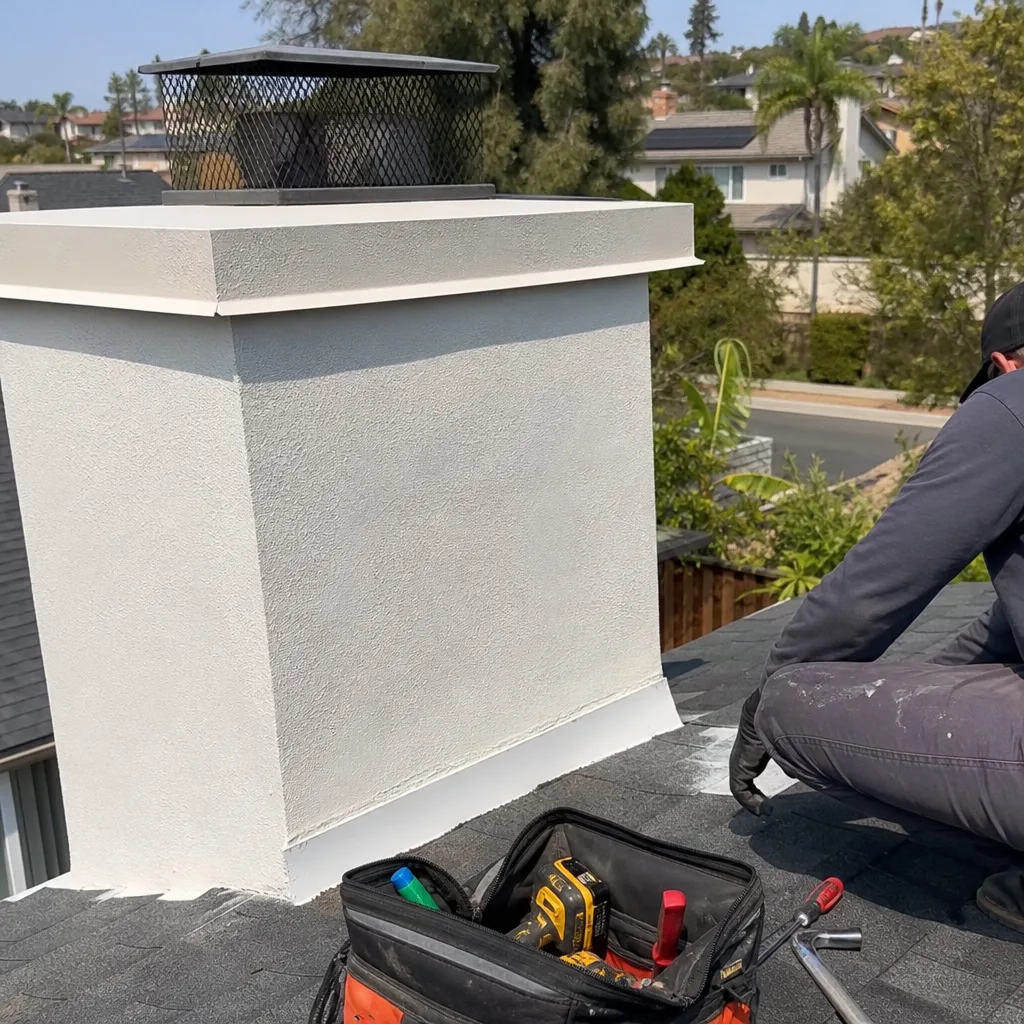
See the difference
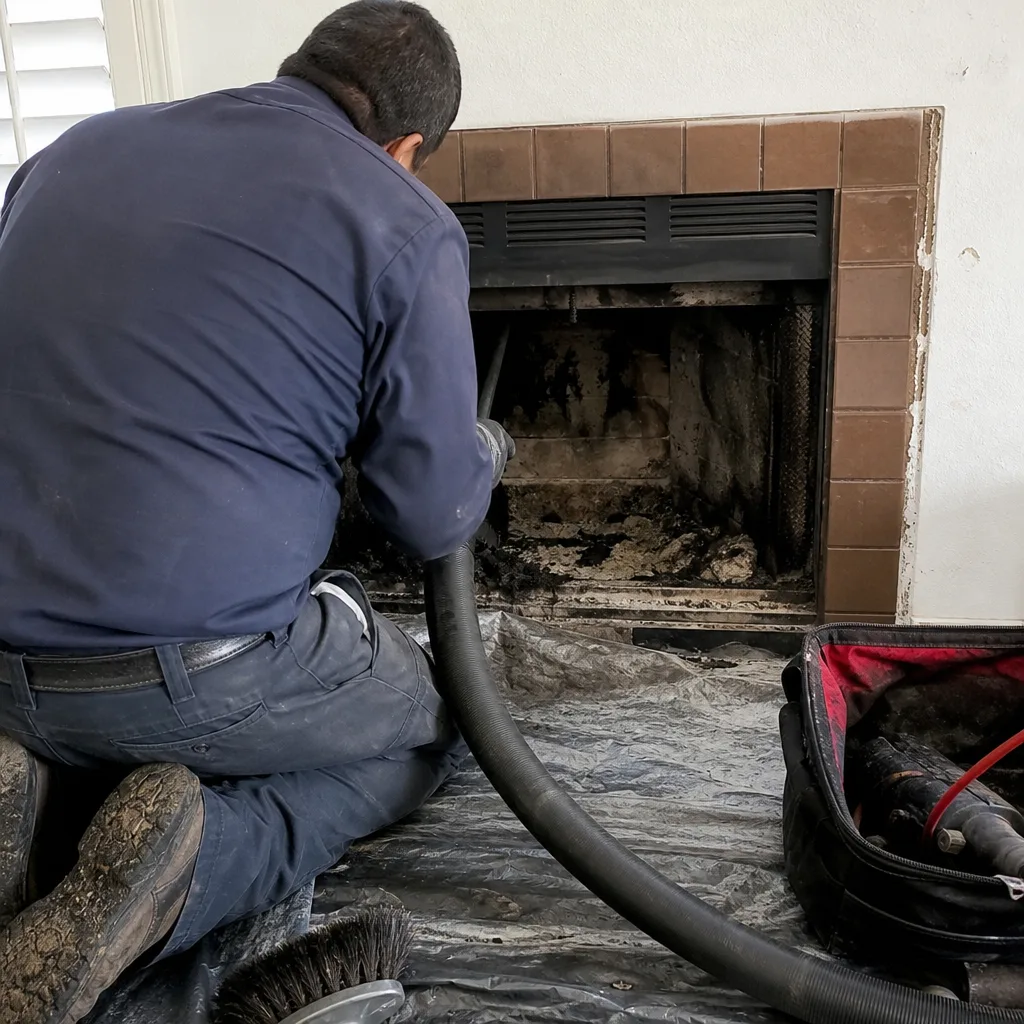 Before
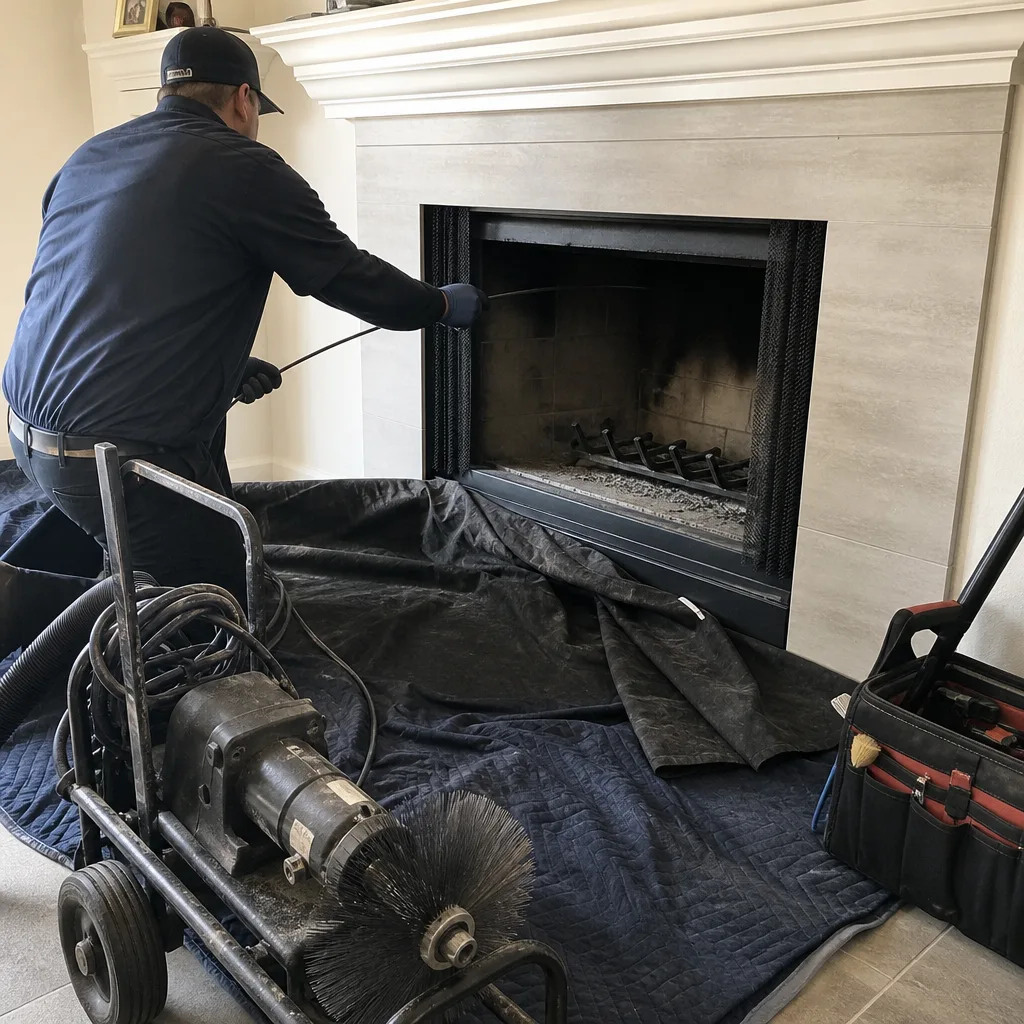 After
After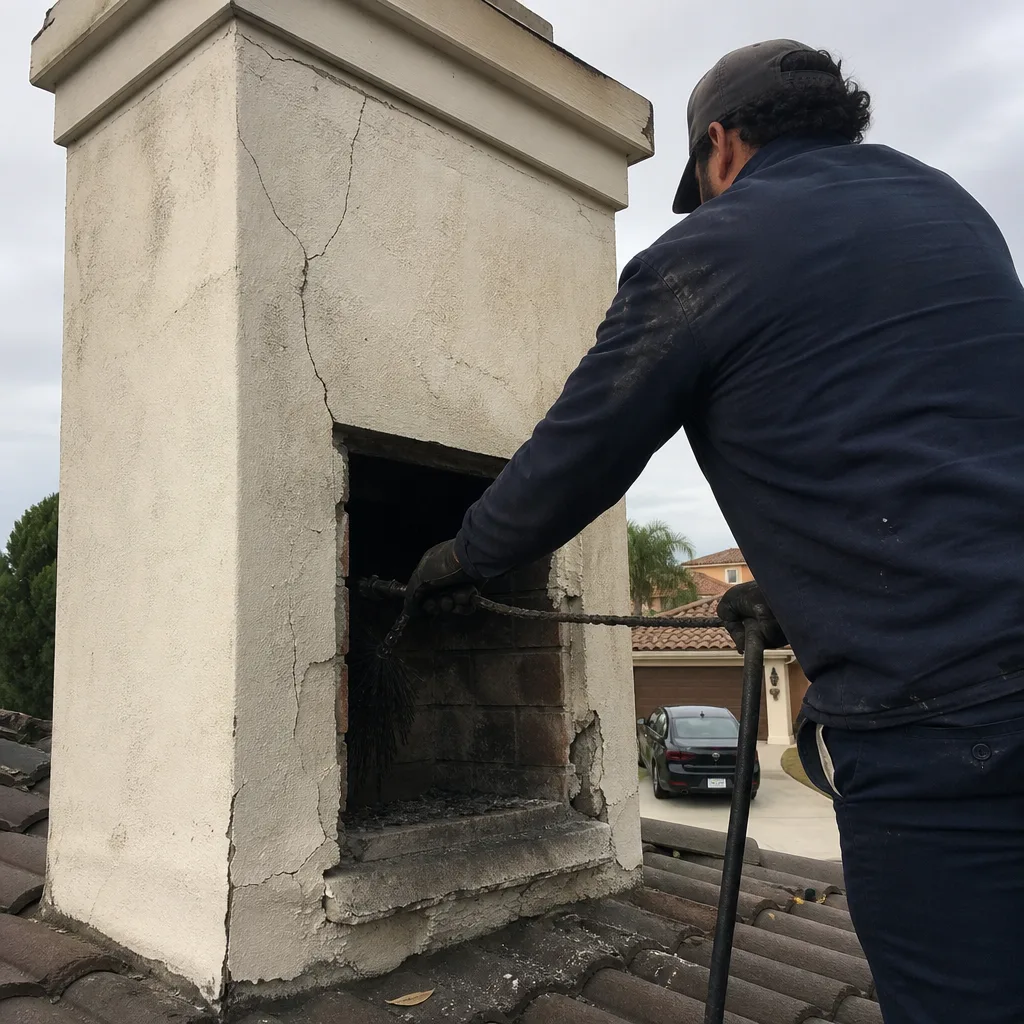 Before
 After
After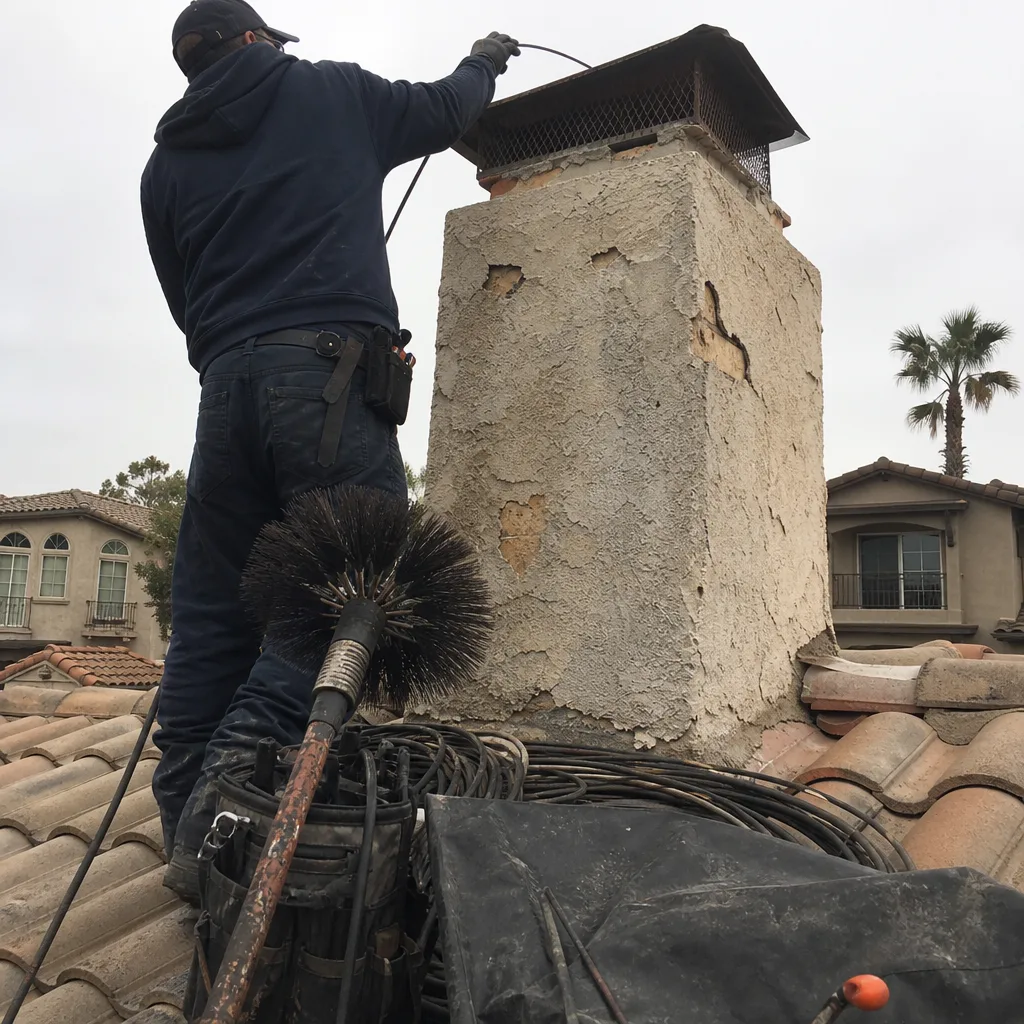 Before
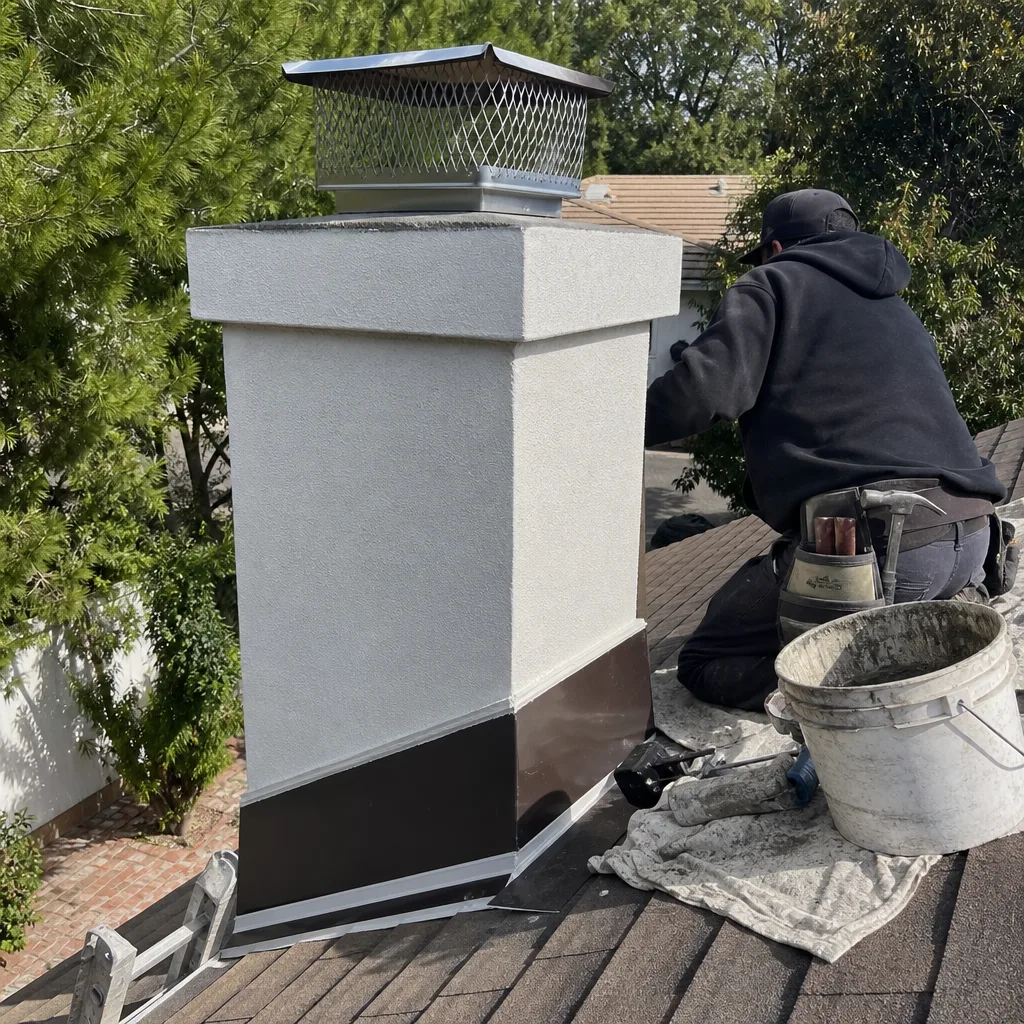 After
After